Top 10 Lithium Batteries for Solar Storage Systems?
A Lithium Battery For Solar Storage system must do more than hold energy. It needs to deliver power when sunlight fades, recharge efficiently, and operate safely through years of daily use. The right choice depends on the home, the solar array, and the loads that matter most. A quiet refrigerator overnight is one demand. A heat pump starting on a cold evening is another.
Energy-storage researcher Dr. Imre Gyuk has studied how storage supports power systems. A concise paraphrase of that systems-level perspective is: “A battery must fit the job it serves.” That sounds simple. It is not always easy. Capacity, usable energy, continuous output, inverter compatibility, warranty terms, and temperature limits all shape real-world performance. A large capacity figure alone can hide a poor match.
This Top 10 guide compares lithium batteries through practical criteria, not headline numbers alone. It looks at chemistry, modular expansion, monitoring tools, installation needs, and support. These details matter when a battery sits in a garage through summer heat or powers essential circuits after sunset. Some specifications still leave questions. Warranty language and usable capacity can be harder to compare than expected. Readers should verify current product data and local installer requirements before choosing. The best system is not automatically the biggest or newest. It is the one that reliably meets the household’s actual needs.
How Lithium Batteries Store Solar Energy
Solar panels produce direct-current electricity. A charge controller manages voltage and current before energy enters the battery. Inside a lithium-ion cell, lithium ions move from the cathode toward the anode during charging. When household demand rises, the ions move back, releasing electrical energy. An inverter converts that electricity into usable alternating current. It is a quiet process, but not a lossless one.
NREL’s 2024 Annual Technology Baseline uses 85% round-trip efficiency for utility-scale lithium-ion battery storage. At that modeled rate, a 10-kilowatt-hour charge returns about 8.5 kilowatt-hours. A home system may perform differently. Inverter losses, temperature, charging power, and battery age all matter. A hot garage can be a poor place for equipment. That detail is easy to overlook.
A battery management system monitors cell voltage and temperature, helping keep operation within safe limits. It also balances cells, since small differences can build over time. Usable capacity is not always the same as the number printed on a system’s specification sheet; reserve settings can hold some energy back. Owners may notice this on a cloudy evening, when the battery stops discharging before its displayed charge reaches zero. The display can feel misleading, though the reserve may protect the system and provide backup power.
Top 10 Lithium Batteries for Solar Storage Systems: How Lithium Batteries Store Solar Energy
Illustrative nominal storage capacities for common solar battery system sizes. These are capacity examples, not a product ranking; usable energy depends on battery design and depth of discharge.
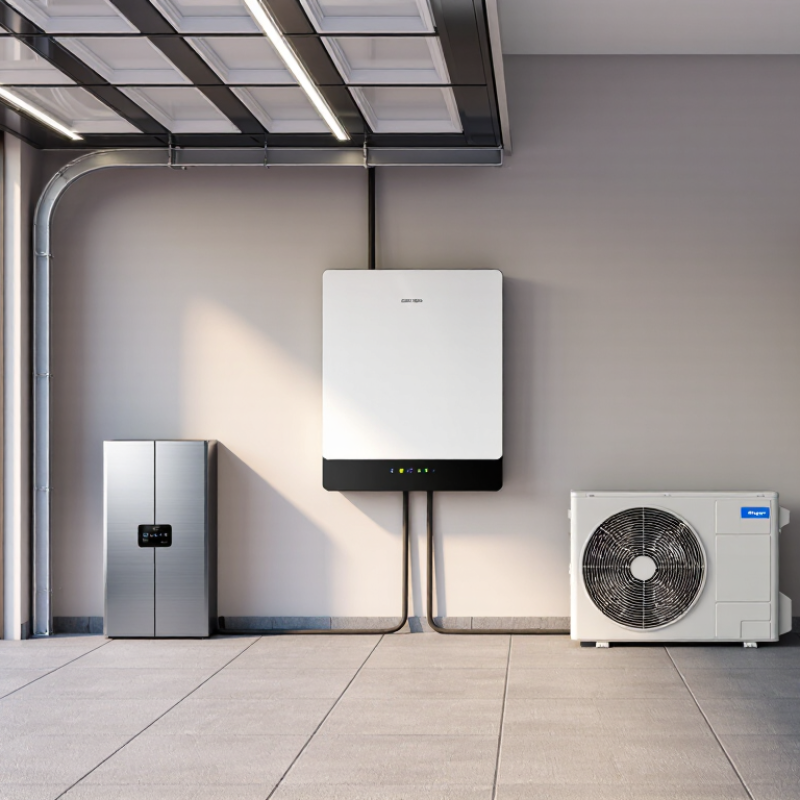
A solar inverter converts panel output into electricity that charges the battery. Lithium-ion cells store that energy electrochemically and release it later when solar generation is low or demand is higher.
Key Criteria for Comparing Solar Storage Batteries
Comparing solar storage batteries starts with usable capacity, not the largest number on a label.
A 10 kWh unit may reserve some energy to protect its cells, so ask how much is available under normal operating settings. Then check continuous and peak power. A home may store plenty overnight yet struggle to start a pump or handle a brief appliance surge. Details matter.
Look at cycle-life claims alongside depth of discharge, temperature, and test conditions. A figure quoted at 25°C may not describe a battery in a cold garage. Compare round-trip efficiency and standby consumption too; small losses accumulate during repeated daily charging. Check battery voltage, inverter compatibility, and communication requirements before purchase. A capable battery can still be a poor system match.
Safety and support deserve equal weight.
Confirm that the battery includes a suitable management system and clear installation guidance, then ask how warranty capacity is measured. Read the exclusions carefully. Warranty years alone are not a useful comparison.
A simple table of usable kWh, continuous kW, cycle conditions, efficiency, and temperature limits can help. The numbers rarely line up perfectly, and that is worth admitting. Choose for the household’s actual evening load, not a tidy headline rating.
Top 10 Lithium Batteries for Solar Storage Systems
Choosing among the top ten lithium batteries for solar storage starts with your actual household load, not advertised capacity.
A 10 kWh rating may not mean 10 kWh reaches appliances; check usable capacity, reserve settings, and conversion losses. Match continuous output to loads that may run together, such as a refrigerator, pump, and evening cooking. Small details matter. Compare cycle-life conditions, warranty energy throughput, temperature limits, and the battery’s stated depth of discharge. Warranty numbers need context.
Tips:
Check inverter voltage and communication compatibility before purchase. Confirm the battery’s charge and discharge limits suit your solar array and expected evening demand. In a cold utility room, verify low-temperature charging protection; charging may pause until cells warm. Also check clearances, service access, and whether future expansion is supported in writing. A diagram helps.
For a fair top-ten comparison, record usable kilowatt-hours, continuous kilowatts, efficiency, warranty terms, and installation requirements in one table. Then size storage around measured usage, not a guess from one sunny weekend. Meter data across several ordinary days gives a steadier estimate. Even careful rankings have limits: tariffs, backup needs, and seasonal sunlight can change the best fit. An impressive specification sheet is not the whole system.
How the Leading Batteries Differ in Performance and Cost
Top 10 Lithium Batteries for Solar Storage Systems?
A battery’s real value is not its lowest advertised price. Compare usable capacity, round-trip efficiency, cycle life, warranty, and installed cost. Lithium iron phosphate batteries often prioritize long cycle life and thermal stability, while nickel-based designs can offer greater energy density. Actual performance depends on temperature, charge rates, and operating settings.
Price figures need careful reading. BloombergNEF reported an average lithium-ion battery pack price of US$115 per kilowatt-hour in 2024, down 20% from 2023. That is a pack-level benchmark, not the price of a complete home solar system. IRENA reported utility-scale battery storage project costs of US$273 per kilowatt-hour in 2023. The figures measure different things. That gap matters.
For a household, the bill may also include an inverter, controls, installation, and electrical upgrades. A battery with more nameplate capacity may still provide less usable energy if its reserve setting is high. Check the warranted energy throughput and the conditions attached to it. I would compare lifetime cost per delivered kilowatt-hour, not just upfront dollars. It is imperfect, but more useful. A short outage test can also reveal whether the system handles the actual loads that matter: a refrigerator, lights, and internet equipment.
How to Choose and Safely Install a Solar Battery
Choosing a solar battery starts with your household’s actual energy use, not the largest capacity on a product sheet. Check daily consumption, evening loads, and how many cloudy days you want to cover. A battery’s advertised capacity may differ from the energy you can safely use. Match its voltage and power limits to the inverter, and confirm that the battery management system supports the planned setup. Small details matter. A planning estimate is only a starting point; winter demand can expose a sizing mistake quickly.
Before installation, read the battery and inverter manuals together. Place the system where it stays within the specified temperature range and away from standing water, direct heat, and accidental impact. Leave room for service. Keep cables protected, and use correctly rated overcurrent protection and disconnects as specified by the system design. Never open the battery enclosure or improvise connections. A qualified installer can verify polarity, settings, grounding, and safe shutdown procedures. I would not assume every lithium battery needs the same ventilation or mounting arrangement; follow the exact instructions for your model. If the enclosure becomes damaged, unusually hot, or swollen, stop using it and contact a qualified professional.