Best Off Grid Solar Inverter for Reliable Energy Solutions?
As the demand for sustainable energy solutions continues to rise, off-grid solar inverters have become essential for reliable power access. According to a recent report by the International Renewable Energy Agency (IRENA), off-grid solar products could supply clean energy to over 100 million people by 2030. This shift is driven by the need for energy independence and resilience against outages.
Choosing the best off-grid solar inverter is crucial for maximizing efficiency and reliability. Inverter technology has improved significantly, allowing for better energy conversion rates and durability. For instance, modern off-grid solar inverters now achieve efficiency ratings of up to 98%. This means users can count on consistent energy supply even in remote locations.
Despite the advances, there remain challenges in the market. Not all products are created equal, and some may require additional maintenance, leading to potential downtime. Consumers must weigh options carefully. Selecting the right inverter can lead to long-term energy savings and sustainable lifestyle choices. It's not just about power; it's about making informed decisions that lead to better living conditions in off-grid settings.

Overview of Off Grid Solar Inverters and Their Importance
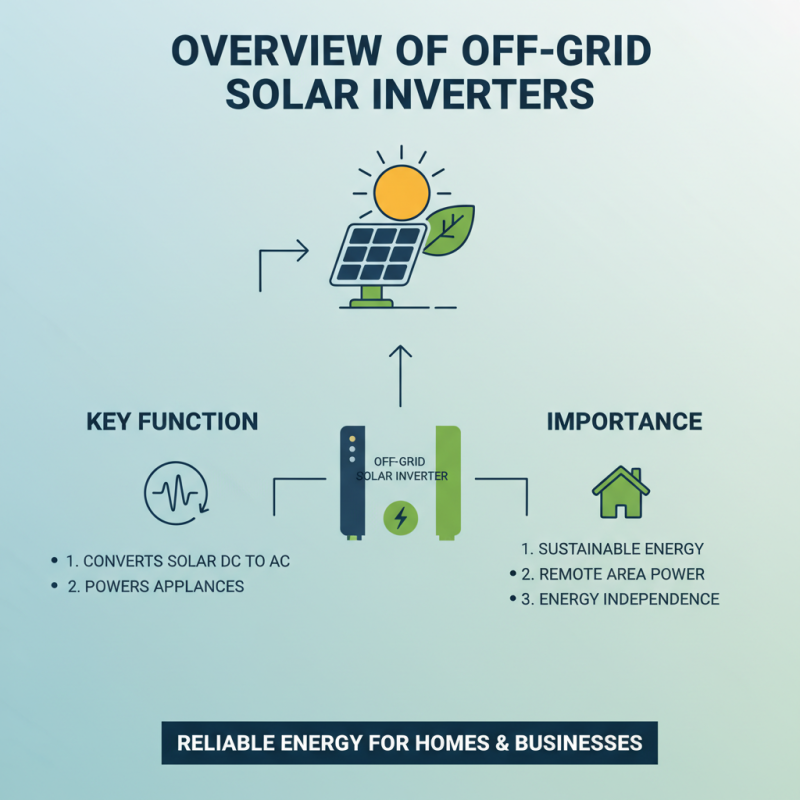
Off-grid solar inverters play a crucial role in sustainable energy solutions. They convert solar energy into usable electricity, making them essential for remote areas. Without access to traditional power sources, these inverters ensure reliable energy supply for homes and businesses. Their ability to function independently makes them a go-to option for energy independence.
Understanding the importance of these inverters is key. They not only facilitate off-grid living but also reduce reliance on fossil fuels. This shift supports a cleaner environment. However, selecting the right inverter involves careful consideration. Users need to evaluate energy needs and local conditions. Technical specifications can be overwhelming, and not all models will suit every situation. Misjudgment can lead to inefficiencies.
The real-world application of these inverters showcases their benefits and challenges. Proper installation and maintenance are vital for optimal performance. Sometimes, users may experience issues with battery compatibility. These setbacks underscore the importance of thorough research and expert advice. Getting it right can lead to long-term savings and sustainability.
Key Features to Consider When Choosing an Off Grid Solar Inverter
When searching for the best off-grid solar inverter, there are key features to discuss. Efficient power conversion is crucial. A good inverter minimizes energy loss during conversion. Look for models with high efficiency ratings. Ideally, aim for 90% or above. This efficiency translates to more usable energy for your needs.
Battery compatibility is another essential factor. Not all inverters work well with every battery type. Check if the inverter accommodates lithium, AGM, or lead-acid batteries. Additionally, consider the power output capacity. This should match your energy needs. A common mistake is underestimating the total consumption of devices. Make sure to add up all wattages to find a suitable inverter.
Durability and warranty matter too. Off-grid systems face harsh conditions. A robust inverter can withstand extreme weather. It's important to choose models with good customer reviews. These insights often reveal long-term performance. Ask yourself, does this product have a track record? Reflect on your specific energy needs and choose wisely. A hasty decision might lead to future issues.
Best Off Grid Solar Inverter Performance Comparison
Top Brands and Models of Off Grid Solar Inverters in 2023
When considering off-grid solar inverters in 2023, several options stand out. These inverters play a crucial role in converting solar energy into usable electricity. They are essential for homes and businesses aiming for energy independence. The market has various models, each with distinct features to meet different energy needs.
Some inverters boast remarkable efficiency ratings and can handle varying loads seamlessly. However, potential buyers may find it challenging to understand the specifications. It is important to assess how much energy your system requires, especially during peak usage times. Reliability is key; some models may not perform well in extreme weather conditions. Users often overlook the need for robust warranties, which offer peace of mind.
Customer reviews can provide insight into real-world performance. Many users highlight issues such as installation difficulties or compatibility with existing systems. It's crucial to research thoroughly and seek expert advice where needed. Balancing cost and quality can be a daunting task. Ensuring that the selected model aligns with energy needs might require several iterations and adjustments. Even the best models can have limitations, and it's wise to reflect on past experiences to make informed choices.
Best Off Grid Solar Inverter for Reliable Energy Solutions - Top Brands and Models of Off Grid Solar Inverters in 2023
| Model |
Power Output (W) |
Efficiency (%) |
Battery Compatibility |
Price Range ($) |
| Model A |
3000 |
90 |
Lead Acid, Lithium-ion |
1500 - 1800 |
| Model B |
5000 |
92 |
Lithium-ion |
2000 - 2500 |
| Model C |
4000 |
89 |
Lead Acid, Lithium-ion |
1200 - 1600 |
| Model D |
2500 |
88 |
Lead Acid |
1000 - 1300 |
| Model E |
6000 |
91 |
Lithium-ion |
2500 - 3000 |
Installation and Maintenance Tips for Off Grid Solar Inverters
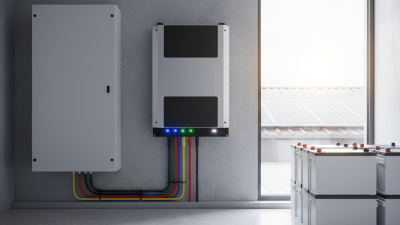
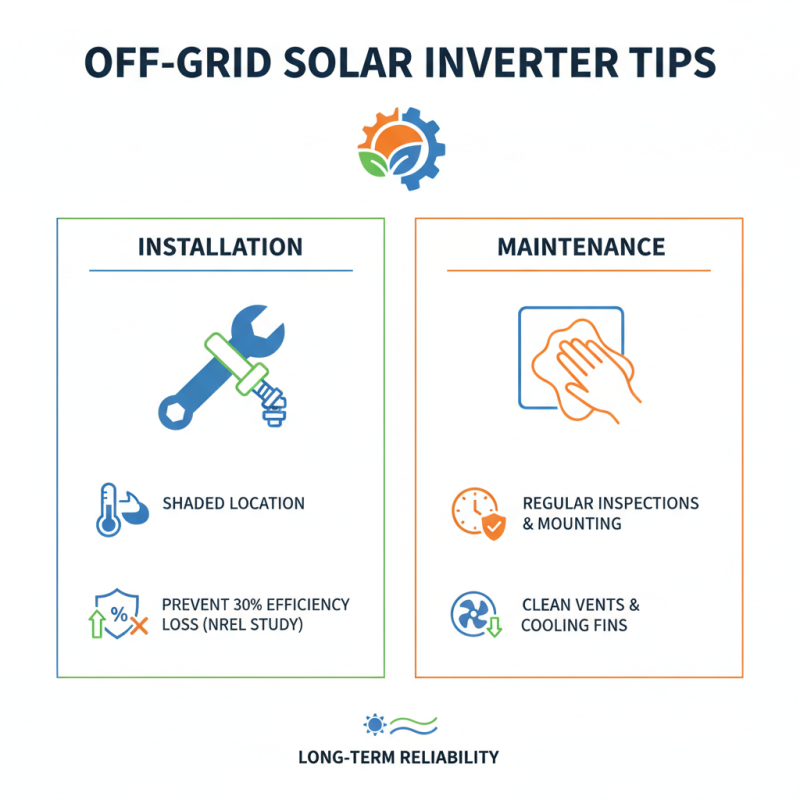
When it comes to off-grid solar inverters, proper installation and maintenance are crucial for long-term reliability. A study by the National Renewable Energy Laboratory indicates that improper installation can reduce system efficiency by up to 30%. Ensure the inverter is placed in a shaded area to prevent overheating, as high temperatures can lead to premature failure. Utilizing appropriate mounting techniques is essential. Each installation should follow industry standards to maximize safety and performance.
Regular maintenance checks are equally important. According to the Solar Energy Industries Association, routine inspections help identify potential issues before they escalate. Inspect connections and cables for wear every six months. Clean any dust or debris from the inverter surface at least annually. Neglecting these tasks can result in lower energy output and higher repair costs. Users often overlook routine maintenance, which can lead to frustrations later on.
Understanding the inverter's indicators can also help prevent problems. Keep an eye on error codes and alerts. These signals provide early warnings of malfunction. By staying aware and educated about your solar inverter, you can enhance its lifespan and efficiency. Failure to do so often results in unexpected downtime, which can be costly for off-grid energy systems.
Cost Analysis: Investing in Off Grid Solar Inverter Systems
Investing in off-grid solar inverter systems can significantly reduce energy costs over time. According to a report by the National Renewable Energy Laboratory, on average, homeowners can save approximately 75% on electricity bills when utilizing solar energy. Initial investment may seem high, often ranging from $1,500 to $3,000 for a quality inverter. However, with state and federal incentives, many users see a return on investment within five to seven years.
Cost factors go beyond the inverter itself. Installation and battery storage often contribute to overall expenses. A study by the Solar Energy Industries Association indicates that installation can add another 20% to 30% to initial costs. It's important to evaluate local sunlight exposure and energy needs. A site assessment could reveal that some homes may require larger systems to meet basic energy demands.
Moreover, potential maintenance costs should not be overlooked. While inverters typically last about 5 to 10 years, ongoing checks and possible replacements can add to the financial equation. Although these systems promise long-term savings, buyers must weigh upfront investments against projected energy savings realistically. Selecting the right system isn't just a financial decision; it involves assessing the reliability of energy sources in remote locations.