What Is a Solar Hybrid Inverter and How Does It Work?
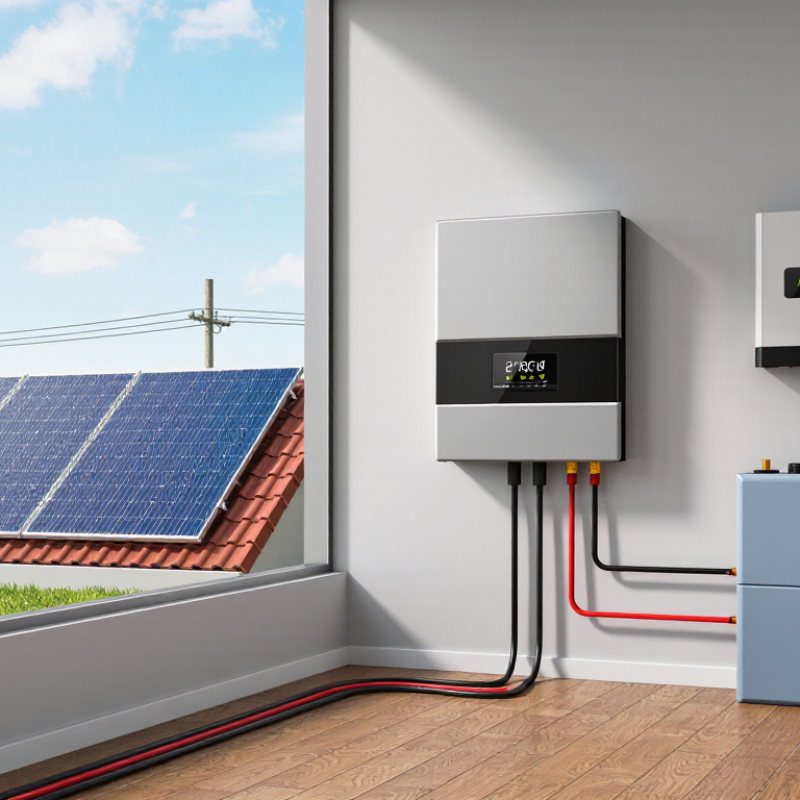
Solar power is often described through panels, sunlight, and lower electricity bills. Yet the less visible device can determine how effectively that energy serves a home. A Solar Hybrid Inverter connects solar panels, batteries, the utility grid, and household loads in one coordinated system. It converts the panels’ direct current into usable alternating current. It can also direct surplus electricity into a battery instead of sending it immediately to the grid.
It is the system’s traffic controller.
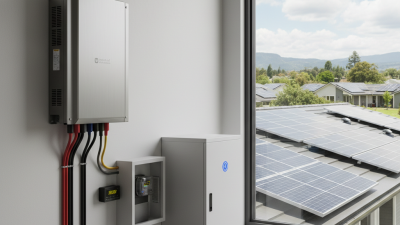
Solar engineer Bill Brooks puts it plainly: “The inverter is the heart of a solar system.” This view explains why inverter selection deserves more attention than a quick comparison of prices. During bright afternoon hours, the unit may power appliances and charge a battery simultaneously. After sunset, it can draw stored energy for lights, refrigeration, or a heat pump. During an outage, some models can create a temporary local grid, but only when correctly installed with suitable backup equipment.
The technology sounds simple. It is not always simple in practice. Battery voltage, inverter capacity, export limits, shading, and local electrical rules can change the result. A larger battery does not automatically create greater savings. A poorly matched system may waste available solar energy or age its battery unnecessarily. This guide examines what a Solar Hybrid Inverter does, how its operating modes work, and where its practical limits appear. Real performance depends on design quality, installation conditions, and daily energy habits. That final point is easy to overlook. Your appliances matter, too.
What Is a Solar Hybrid Inverter?
What Is a Solar Hybrid Inverter?
A solar hybrid inverter manages solar panels, batteries, household loads, and the utility grid in one system. It converts solar electricity from direct current into usable alternating current. It can also store surplus energy in a battery for later use.
The IRENA Renewable Capacity Statistics 2024 report recorded 346 gigawatts of new solar capacity worldwide in 2023. Solar represented about 73% of all renewable power additions that year. This growth increases the need for smarter energy control, especially where electricity prices change throughout the day.
A hybrid inverter constantly checks power flow. At noon, solar energy may run appliances and charge the battery. In the evening, stored energy can supply lighting, refrigeration, or internet equipment. During an outage, compatible systems may isolate the home from the grid and provide backup power. However, not every hybrid inverter offers the same backup performance. Some require extra switching equipment, and battery limits can reduce operating time.
The device usually includes maximum power point tracking, battery charging controls, and grid-synchronization functions. These features improve convenience, but they also add technical complexity. Incorrect sizing can cause wasted solar production, short backup periods, or unnecessary battery wear.
Tips: Check the inverter’s continuous output, surge rating, battery voltage range, and backup switching time. Ask for local installation records and documented testing results. A professional assessment matters because roof shading, cable distance, and evening demand can change the design. Do not judge the system by inverter capacity alone.
How a Solar Hybrid Inverter Processes and Controls Energy
What Is a Solar Hybrid Inverter and How Does It Work?
How a Solar Hybrid Inverter Processes and Controls Energy
A solar hybrid inverter manages electricity from solar panels, batteries, the grid, and household loads. It converts direct current from panels into usable alternating current. It also stores surplus power inside a battery. During evening hours, the controller reverses that process. Stored energy then supplies lights, refrigeration, or a heat pump. The sequence feels simple, but several decisions occur every second.
Its control system measures solar output, battery voltage, household demand, and grid conditions. When production exceeds demand, it may charge the battery or export power. When clouds reduce output, it can discharge the battery or draw grid electricity. Many systems use programmed limits for battery reserve and charging temperature. These settings protect battery life and support backup operation. They also need careful commissioning. A reserve level that works for one home may waste energy in another.
The market is expanding rapidly. IRENA reported 345.5 gigawatts of new solar capacity worldwide in 2023, showing why flexible energy control matters. The International Energy Agency also identifies batteries and digital control as important tools for integrating variable renewable power. In field experience, communication faults often cause more frustration than hardware failure. A loose meter connection can misread household demand. Then the inverter may charge too slowly or discharge at the wrong time. No system is perfectly automatic. Weather forecasts can be wrong, and user settings sometimes conflict with real consumption patterns. Clear monitoring data helps installers find these small but costly errors.
Key Components Inside a Solar Hybrid Inverter
What Is a Solar Hybrid Inverter and How Does It Work?
Key Components Inside a Solar Hybrid Inverter
A solar hybrid inverter coordinates solar panels, batteries, household loads, and the utility grid. Its internal architecture determines safety, efficiency, and response speed. IRENA reported 1,419 GW of global solar photovoltaic capacity by the end of 2023. That scale increases the need for dependable power-conversion equipment.
The MPPT controller sits near the front of the system. It tracks changing sunlight and adjusts the panel voltage continuously. The DC bus then carries regulated energy through the inverter bridge. Power semiconductors convert direct current into grid-compatible alternating current. A battery interface manages charging and discharging. It must limit current, temperature, and unsafe voltage conditions.
The control board acts as the inverter’s decision center. It reads sensors, forecasts load changes, and controls operating modes. An energy-management system can prioritize solar power, battery storage, backup loads, or grid supply. Transfer switches support rapid isolation during outages. Protection circuits monitor overcurrent, overheating, insulation faults, and abnormal grid conditions. Cooling fans or heat sinks remove heat from switching devices.
Small details matter. Poor thermal design can shorten component life. The IEA’s Batteries and Secure Energy Transitions report notes that battery demand reached 750 GWh in 2023, showing how quickly storage is expanding. Yet efficiency labels can mislead. They may not reflect standby losses, partial-load performance, or hot-weather operation. Field measurements remain valuable, and no inverter performs perfectly in every installation.
Operating Modes of a Solar Hybrid Inverter
A solar hybrid inverter manages electricity from solar panels, batteries, the grid, and household loads.
Its operating mode determines which source receives priority. In real installations, this choice affects energy bills, battery life, and backup performance. The inverter constantly measures power flow. It then switches sources within fractions of a second.
In solar-priority mode, solar energy supplies appliances first.
Extra power charges the battery, while remaining electricity may export to the grid. Battery-priority mode stores solar energy for evening use. This setting suits homes with high nighttime demand. However, aggressive charging can reduce available backup capacity during cloudy weather. Small settings matter.
Grid-backup mode keeps the battery reserved for outages.
The system may use grid electricity during normal hours, even when the battery has stored energy. During an outage, the backup circuit usually powers selected loads, such as lights, a refrigerator, or communication equipment. An off-grid mode gives solar and batteries greater control, but it requires careful load planning. Large heaters can drain a battery quickly. Mode names also vary between inverter systems, which can cause confusion. A qualified installer should verify transfer limits, battery temperature settings, and local electrical requirements before commissioning.
Benefits and Limitations of Solar Hybrid Inverters
A solar hybrid inverter connects solar panels, batteries, household circuits, and sometimes the public grid. It converts direct current from panels into usable alternating current. It can also store surplus electricity for evening use. When sunlight fades, the battery supplies selected appliances. Some systems switch automatically during an outage.
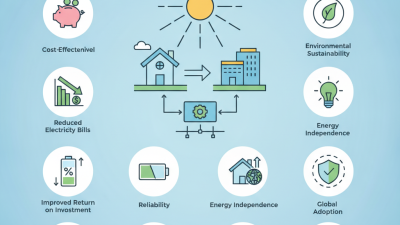
The main benefit is better energy control. Households can use more self-generated electricity and buy less power during expensive hours. Battery storage may keep lights, refrigerators, and internet equipment running during short interruptions. A properly sized system can also reduce wasted solar production. Real-world monitoring helps identify unusual losses, weak batteries, or heavy evening consumption. The savings can be meaningful.
Limitations deserve equal attention. Hybrid inverters cost more than basic solar inverters. Batteries add installation expense, weight, and maintenance concerns. Their usable capacity declines over time. Backup power is not unlimited. A large heater or electric vehicle can drain a small battery quickly. Some systems cannot power every circuit during an outage. Roof shade, winter weather, and poor system design further reduce performance. Installation quality matters greatly. A neat specification sheet does not guarantee good results. Load measurements and local electrical requirements should guide the final design. Even careful planning can miss changing household habits.
How a Solar Hybrid Inverter Works
A solar hybrid inverter manages electricity from solar panels, household loads, batteries, and the utility grid. In this representative 24-hour scenario, a 5 kW rooftop solar system produces 20 kWh of energy: 12 kWh is used directly by the home, 5 kWh is stored in the battery, and 3 kWh is exported to the grid.
This configuration can increase solar self-consumption and provide backup power when paired with suitable batteries and backup circuits. Its main limitations are battery conversion losses, higher installation cost, limited backup duration, and reduced output when solar generation or battery capacity is insufficient.