Leave Your Message

10 Solar Inverter Buying Tips for Global Buyers

Choosing a Solar Inverter is not simply a matter of comparing power ratings or online prices. Global buyers must examine system compatibility, local grid requirements, operating conditions, and long-term support. A unit that performs well in a dry rooftop installation may struggle in a humid coastal climate. Dust, heat, voltage fluctuations, and limited maintenance access can change the buying decision.

This guide presents ten practical tips for evaluating Solar Inverter options with greater confidence. It considers inverter efficiency, MPPT performance, battery compatibility, protection ratings, monitoring tools, warranty terms, and service availability. It also highlights certification and grid-compliance requirements, which vary between countries and regions. These details deserve attention before any purchase.

Real project experience shows that the cheapest quote is rarely the complete cost. Installation quality, replacement parts, software access, and technical support may matter just as much. Ask for documented test results and clear warranty conditions. Check whether the supplier has trained technicians near your project.

Small details matter.

Still, no buying guide can remove every uncertainty. Product specifications may look impressive, but field performance depends on design, installation, and climate. Buyers should question vague efficiency claims and request evidence from trusted manufacturers or independent testing bodies. A careful decision may take longer. That is usually worthwhile.

The following tips are designed to help homeowners, installers, distributors, and commercial energy buyers compare products more realistically. They encourage informed questions rather than rushed decisions, while recognizing that local regulations and professional advice remain essential.
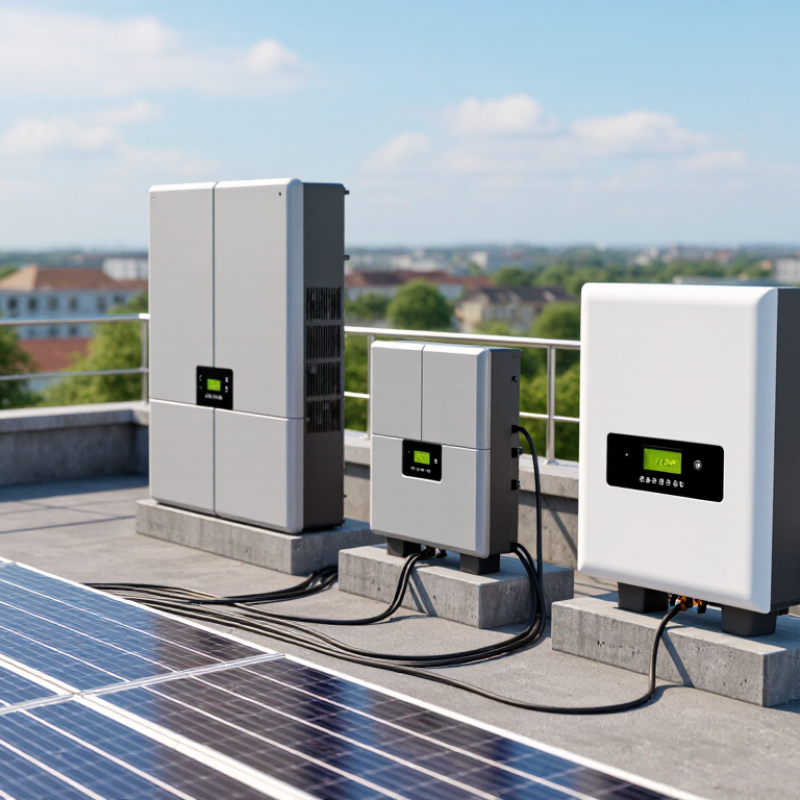
10 Solar Inverter Buying Tips for Global Buyers

Define Your Solar System Needs and Energy Goals

Before comparing inverter specifications, define what your solar system must accomplish. A small cabin, busy family home, and workshop need different designs. List daily energy use, peak loads, backup hours, and future equipment. Check recent electricity bills, then record appliances that run simultaneously. A kettle, pump, and refrigerator can create a sharp morning surge. Measure, do not guess.

Decide whether your goal is lower bills, backup resilience, or greater energy independence. These goals affect inverter capacity, battery compatibility, operating mode, and budget. A 5 kW inverter may cover normal use but struggle with a well pump. Look beyond the panel rating. Ask a qualified installer to check starting currents, roof orientation, local weather, cable distances, and applicable electrical requirements. In my field checks, underestimated surge power caused more disappointment than modest annual production. That experience is not universal, but it deserves attention.

Plan for five to ten years, not only installation day. Will your household add air conditioning, electric cooking, or a vehicle charger? Leave practical expansion room, while avoiding oversized equipment that operates inefficiently. Review monitoring functions and fault records; clear data makes maintenance decisions easier. I once treated a larger unit as automatically safer. It was not. The better choice matched the load profile, backup expectations, and available service support.

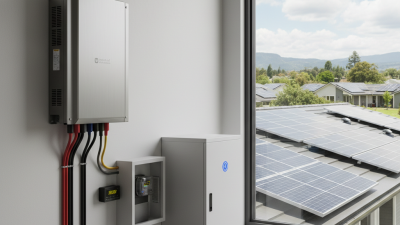
Compare Inverter Types, Capacity, and Conversion Efficiency

Choosing a solar inverter starts with comparing its design, capacity, and conversion efficiency. String inverters suit simple roofs with consistent sunlight. Microinverters work well when panels face different directions or experience shade. Hybrid inverters add battery control for backup and time-based energy use. That flexibility costs more.

Capacity should match the panel array and local electricity needs. An oversized inverter may operate inefficiently during low production. Undersizing can cause clipping when strong sunlight pushes panels beyond the inverter’s rating. A practical check involves reviewing the roof layout, annual sunlight, and peak household demand. On a clear afternoon, a 6-kilowatt array may briefly produce more than its inverter can process. Some clipping is acceptable. Too much is wasteful. Battery plans also affect the required capacity.

Conversion efficiency is not just a number on a product sheet. Ask whether the figure represents peak or weighted efficiency under realistic loads. Heat, dust, ventilation, and cable losses can reduce actual output. Temperature matters. An inverter in a hot, enclosed utility room may perform below its rated figure. Verify local grid compatibility, safety certifications, monitoring functions, and warranty conditions. I would not choose the highest efficiency alone. Service access and clear technical documents often matter more after installation. Small assumptions deserve a second look.

Check Grid Compatibility, Safety Features, and System Integration

10 Solar Inverter Buying Tips for Global Buyers

Grid compatibility should guide every solar inverter purchase. Check the required voltage, frequency, phase type, and connection method for your installation area. A model designed for one grid may perform poorly on another. Ask for certified test documents, not only sales descriptions. Confirm whether the inverter supports local export limits and automatic shutdown requirements. These details affect installation time and long-term reliability.

Safety features deserve close attention. Look for anti-islanding protection, overvoltage control, short-circuit protection, and temperature monitoring. Surge protection is valuable where storms are common. Clear fault codes can also help technicians diagnose problems faster. An experienced installer should inspect cable sizing, grounding, ventilation, and enclosure protection. Small mistakes become expensive when heat builds inside a sealed cabinet. Do not ignore the sound of cooling fans.

System integration is equally important. Check compatibility with batteries, backup loads, smart meters, monitoring platforms, and existing solar panels. Confirm the inverter’s maximum input current and voltage for every string. A high-power panel array can exceed limits during cold, bright mornings. I once focused too much on rated output and overlooked startup behavior. That was a useful lesson, but not a cheap one. Leave space for future batteries if your energy needs may grow. Ask who provides technical support, replacement parts, firmware updates, and clear warranty procedures. A reliable purchase includes practical service, not just impressive specifications.

10 Solar Inverter Buying Tips for Global Buyers: Check Grid Compatibility, Safety Features, and System Integration

Grid voltage and frequency vary by market. Use this reference chart to confirm that an inverter matches the local utility network before comparing safety functions, battery compatibility, monitoring, and installation requirements.

Reference values show commonly used nominal residential grid standards. Japan uses 50 Hz in eastern regions and 60 Hz in western regions; Brazil commonly uses 127 V or 220 V at 60 Hz. Always verify the exact utility and regulatory requirements for the installation location.

Verify Global Certifications, Climate Ratings, and Warranty Terms

With solar deployment accelerating, verification matters more than glossy specifications. The IEA PVPS Trends 2024 report recorded about 456 GW of new photovoltaic capacity in 2023. The IEA Renewables 2024 report expects global renewable capacity to grow by 5,500 GW by 2030. More installations mean more varied grid rules, climates, and service risks.

Request complete certificates, not cropped logos. Check compliance with IEC 62109-1 and IEC 62109-2 for inverter safety. Grid-connected systems may also require IEC 61727 and IEC 62116 testing. Confirm the certificate covers the exact model and revision. Ask for proof. A regional conformity mark can support market access, but it does not replace local grid approval. Verify certificates through the issuing laboratory when possible.

Climate ratings need practical interpretation. An IP65 enclosure may resist dust and water jets, but it is not automatically suitable for coastal salt, desert heat, or high humidity. Check operating temperatures, altitude derating, humidity limits, corrosion testing, and cooling clearance. Read every exclusion. Warranty review should cover duration, start date, replacement procedures, labor, freight, firmware, and local response times. Some warranties look long but exclude thermal damage, poor ventilation, or unstable grids. That is where buyers often discover the gap. I would also request failure-rate evidence from field reports, while admitting that public data remains inconsistent across regions. A careful comparison is imperfect, but vague promises are worse.

Evaluate Total Cost, Supplier Reliability, and After-Sales Support

10 Solar Inverter Buying Tips for Global Buyers

A low purchase price can hide freight, commissioning, monitoring, and replacement costs. IRENA’s Renewable Power Generation Costs in 2023 reported a 12% fall in utility-scale solar PV costs, reaching USD 0.044 per kWh. That pressure can encourage aggressive inverter pricing. Yet downtime still affects project returns. Compare total cost over 10 to 15 years, including spare units, software access, technician travel, and currency risks. No spreadsheet catches every failure.

Tip

Ask suppliers for independently verified efficiency curves, warranty terms, grid-code certificates, and field failure data. Check performance at high temperatures, because a hot rooftop can reduce output. IEA PVPS Trends 2024 recorded 456 GW of new solar capacity in 2023. A larger market makes supplier quality more important, not less. Request references from projects with similar climate, voltage, and operating hours.

Tip:

Test the after-sales promise before signing. Require written response times, local spare-part availability, firmware procedures, and escalation contacts. Confirm who pays for inspection and replacement labor. A five-year warranty may exclude transport, installation, or moisture damage. That detail matters. Evaluate remote diagnostics, training materials, and communication in your working language. Independent O&M guidance from NREL also emphasizes documented service procedures and spare-parts planning. My own rule is imperfect: choose the supplier that explains failure scenarios clearly, not the one offering the longest brochure warranty.