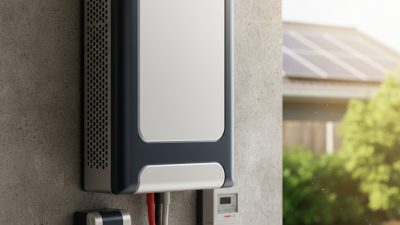
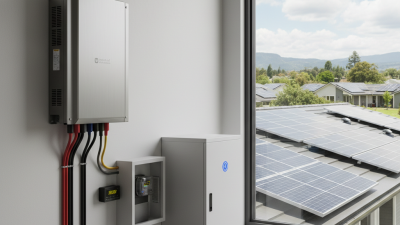
Solar Inverter Hybrid 6kw systems are becoming practical tools for homes, small farms, and light commercial sites. They combine solar conversion, battery control, and grid interaction in one cabinet. The International Energy Agency reported nearly 510 GW of global solar PV additions in 2023. IEA PVPS also recorded continued growth across residential and distributed markets. These figures show strong demand, but they do not make every inverter suitable for every country.
This introduction frames the Top 10 Solar Inverter Hybrid 6kW Models for Global Buyers. The comparison considers usable battery voltage, continuous output, surge capacity, MPPT range, efficiency, monitoring, and protection features. It also examines certification evidence, warranty terms, installer support, and grid compatibility. A 6kW label alone proves little. A model may perform well in a cool European garage but struggle under tropical heat or unstable voltage.
The selection uses manufacturer datasheets, installation manuals, field experience, and independent market references, including IRENA’s Renewable Capacity Statistics 2024 and the IEA Renewables 2024 report. Practical details matter: cable access, fan noise, enclosure rating, and whether software updates remain available after installation. No shortlist is flawless. Battery chemistry, local regulations, and household load profiles can change the ranking. That is important. Buyers should verify regional approvals before purchasing. They should also ask qualified installers to confirm earthing, protection devices, and emergency backup behavior. A careful decision is slower, but usually cheaper than replacing an unsuitable inverter later.
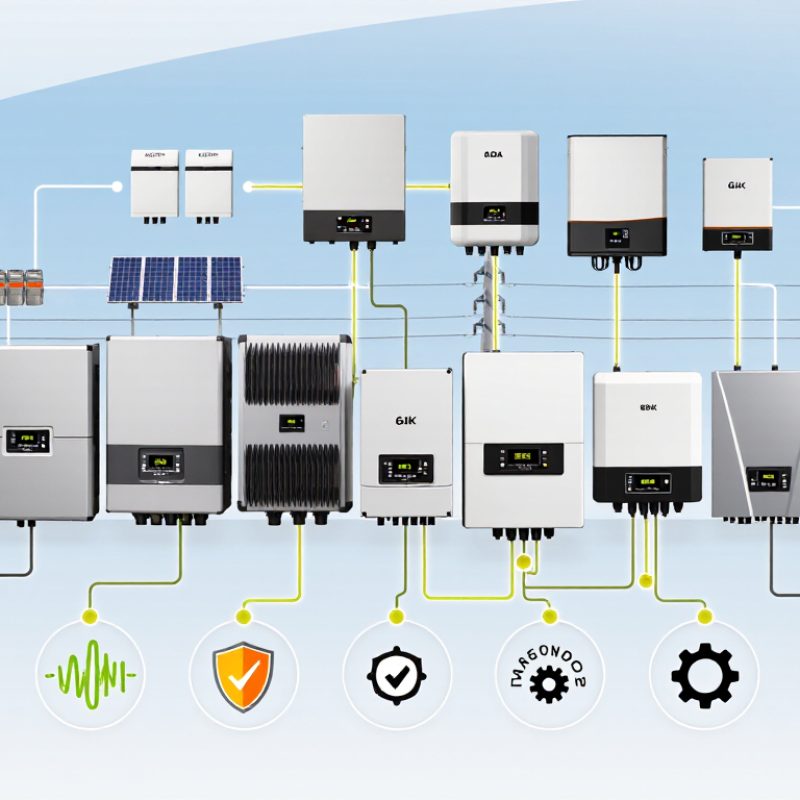
A hybrid 6kW solar inverter combines solar generation, battery storage, and grid power in one control system. Its 6kW rating usually describes continuous AC output, not total daily energy production. This distinction matters when powering pumps, refrigerators, computers, or several household circuits together. A reliable unit should manage solar input through efficient MPPT tracking. It should also charge and discharge batteries smoothly, even during changing weather.
The strongest models provide backup power when the grid fails. They can prioritize solar energy, store excess electricity, and switch between sources with limited interruption. However, transfer time varies, and not every model supports sensitive equipment. Buyers should check battery voltage, maximum PV input, surge capacity, and local grid requirements. Safety certifications and clear installation manuals also deserve close attention. In practice, a lower-priced inverter may appear attractive, but weak monitoring or poor thermal design can create long-term frustration. Specifications can look perfect on paper. Real site conditions are less cooperative.
Tips: Match the inverter with your battery chemistry and household load profile. Leave capacity for motor starting surges. Confirm local certification before purchase. Ask an experienced installer to review cable sizing, ventilation, grounding, and protection devices. Remote monitoring is useful, but it should not replace physical inspections. A small display error can hide a larger wiring issue. Test backup operation periodically, because an untested system is only partly trustworthy.
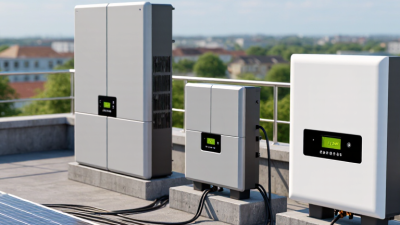
A reliable 6kW hybrid inverter should match the site’s load, battery, and solar array. Compare continuous output, surge capacity, and transfer time carefully. A strong model may handle short motor starts near 12kW, but actual performance depends on temperature and wiring. Check the maximum PV voltage, MPPT range, and input current. Wider MPPT tracking helps when roof sections face different directions. Efficiency above 95% is common, yet low-load efficiency also matters during quiet evening hours. Do not trust one headline number.
Battery compatibility needs closer attention. Review supported battery voltage, charging current, and usable capacity limits. Some systems support lithium batteries only, while others accept several chemistries with configuration changes. Communication ports, remote monitoring, and firmware access can reduce service delays. Confirm protection ratings, operating temperature, noise level, and enclosure design for the installation environment. Outdoor placement may require a suitable IP rating and shade. Certification requirements differ between countries, so local approval should be checked before purchase.
Tips: Compare each datasheet under the same conditions. Ask for tested surge duration, not only peak wattage. Check whether backup output supports unbalanced household loads. Read the warranty exclusions, especially for heat, dust, and battery misuse. A cheaper unit may look efficient on paper, but installation quality can change real results. I would also leave spare capacity for future panels; many buyers size too tightly and regret it later.
Choosing among the top 10 hybrid 6kW inverters depends on daily loads, battery habits, and local grid conditions. The residential backup model suits homes running refrigerators, lights, routers, and small pumps. The solar-priority model favors sunny regions and reduces daytime grid use. A battery-first model fits households needing evening power. The fast-transfer model helps protect computers and medical refrigeration from short interruptions. Check the transfer time carefully.
For larger homes, the split-load model separates essential circuits from heavy appliances. The generator-ready model supports rural sites with weak grids, but installation requires safe changeover equipment. The high-voltage battery model can reduce cable current and heat, while the low-voltage model offers broader battery compatibility. A compact wall-mounted model saves space in narrow utility rooms. A weather-resistant model works better in dusty workshops or covered outdoor areas. Ventilation still matters.
The tenth option is the monitoring-focused model, which records solar production, battery state, and household demand through a local display or approved network connection. In field checks, these readings help reveal evening overloads and unexpected standby consumption. However, advertised 6kW output does not guarantee every appliance will start smoothly. Motors may demand several times their running power. Review surge ratings, battery voltage, MPPT range, protection functions, and regional certification with a qualified installer. Some specifications look impressive, yet real performance can fall in high heat or poor wiring conditions. That deserves honest attention.
Comparison of representative 6kW hybrid inverter configurations by maximum PV input power. Higher PV headroom can support larger solar arrays, while all configurations are centered on a 6kW AC output class.
The values reflect common published specifications for 6kW-class hybrid systems, including 8–12kW maximum PV input ranges. Actual performance depends on battery voltage, installation conditions, grid regulations, and system configuration.
Top 10 Solar Inverter Hybrid 6kW Models for Global Buyers
A 6kW hybrid inverter must fit the local grid, not just the sales brochure. Buyers should verify voltage, frequency, phase type, and approved operating ranges before ordering. Models supporting 220–240V systems may not suit every regional network. Grid codes also differ widely. Some markets require anti-islanding protection, reactive power control, and certified shutdown behavior. Look for test reports from recognized laboratories, not only printed compliance labels. A reliable unit should clearly state certifications, protection classes, and operating temperatures.
Installation conditions can change performance more than expected. A dusty outdoor wall, direct afternoon sun, or poor airflow may reduce service life. Choose an enclosure suited to the site’s weather exposure. Check battery communication protocols and maximum charging current carefully. Cable size, breaker ratings, grounding, and surge protection need professional review. Even experienced installers can miss local inspection details. That is worth admitting.
Tips: Confirm regional grid approval before purchase. Leave ventilation space around the inverter. Keep battery cables short and properly protected. Record serial numbers and test results during commissioning. Ask an electrician to verify polarity and grounding. Do not assume factory settings are suitable for every country. A small configuration error can cause nuisance trips or unsafe operation. Test backup loads under realistic conditions, including motor startup and cloudy-day charging.
A 6kW hybrid inverter can suit a medium-sized home, shop, or small office. Its real value depends on local conditions, not its ranking.
Begin with the load profile. Measure evening demand, motor starting current, and outage duration. A 6kW inverter may run daily appliances, yet struggle with pumps, compressors, or heating loads. Check continuous output, surge capacity, and battery charging power separately. They are not the same figure.
Battery compatibility requires careful attention. Confirm the supported voltage range, communication method, and maximum charging current. A battery may have enough capacity but still perform poorly with an unsuitable control protocol. Review the inverter’s MPPT voltage range too. Roof temperature and partial shade can affect solar input. Small details matter.
Grid requirements vary by market. Verify voltage, frequency, phase type, export rules, and approved protection functions. Use certification documents from recognized testing bodies, not only sales claims. In humid or dusty regions, inspect the enclosure rating and cooling design. A quiet fan is useful, but blocked airflow can reduce service life. Ask about replacement parts, remote diagnostics, warranty terms, and local technical support.
I have seen buyers compare only purchase prices. That approach often misses installation labor and battery cabling costs. My own early shortlists also overvalued display features. They looked impressive, but gave little help during faults. Request a complete wiring diagram and a realistic efficiency curve. Then ask a qualified installer to verify the design before ordering.