How to Choose the Best On Grid Solar Inverter for Your Needs?
Choosing the right On Grid Solar Inverter is crucial for optimizing your solar power system. An inverter converts direct current (DC) from solar panels into alternating current (AC) for household use. The right choice can enhance efficiency and reduce costs. Many options are on the market, making the decision overwhelming.
Factors to consider include power output, efficiency ratings, and features like battery storage compatibility. It's essential to research reputable brands known for reliability. Reading customer reviews can provide insights into actual performance. You may find models that excel in specific areas but fall short in others.
Remember, not all inverters suit every installation. Your needs depend on your energy consumption and future goals. Consulting with a solar energy specialist can help refine your options. Prioritize quality over price to ensure long-term satisfaction and value. Making an informed decision requires careful thought and sometimes, guidance from professionals.
Understanding the Basics of On Grid Solar Inverters
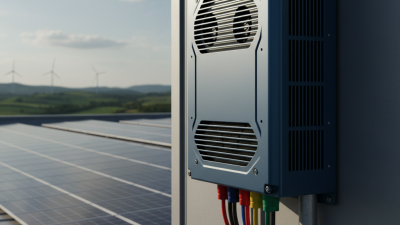
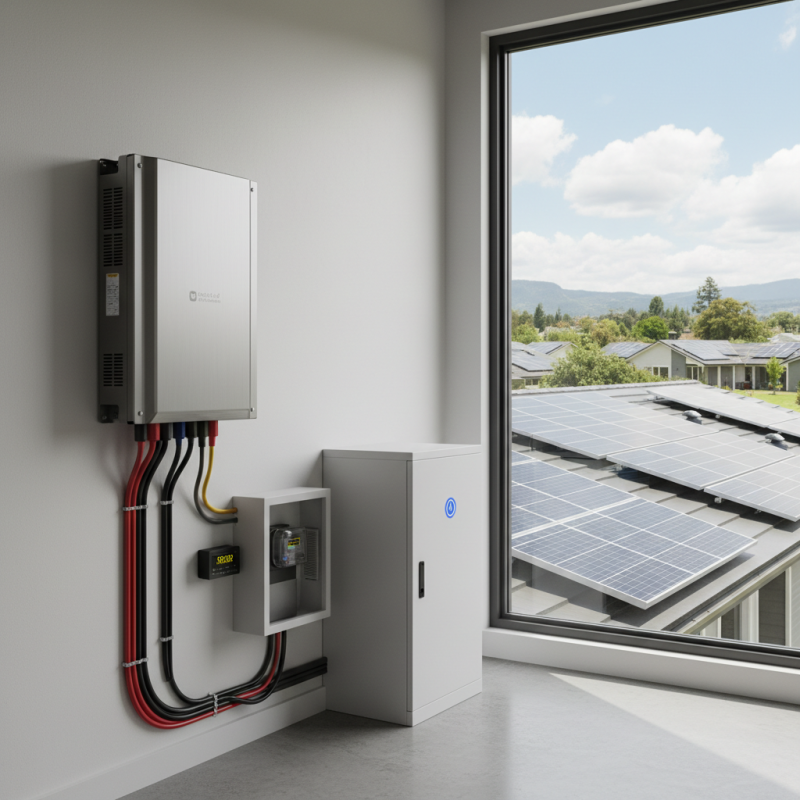
On-grid solar inverters play a pivotal role in solar energy systems. They convert the direct current (DC) generated by solar panels into alternating current (AC), which is usable by your home and the utility grid. Understanding their function is crucial before making a purchase. They ensure that your solar system operates efficiently, maximizing energy production.
When selecting an on-grid inverter, consider its efficiency rating. Higher efficiency means more of the solar energy is converted into usable electricity. Look for inverters with good performance under various conditions. Not all inverters perform well in low light situations. Some may degrade over time, impacting your energy savings.
Another aspect is monitoring capabilities. Many modern inverters come with digital interfaces. These allow you to keep an eye on energy production and identify issues quickly. However, it’s essential to make sure the monitoring software is user-friendly. Sometimes, complicated interfaces can lead to confusion rather than clarity. Understanding these basics will empower you to choose an inverter that truly meets your energy needs.
Key Features to Consider When Choosing an On Grid Solar Inverter
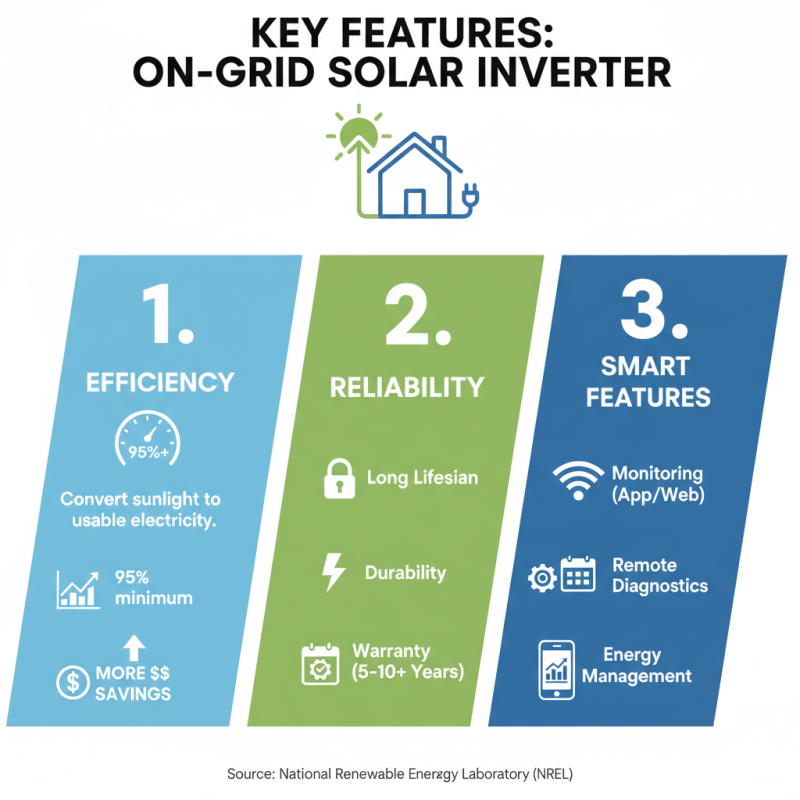
When selecting an on-grid solar inverter, understanding its key features is essential. Efficiency is crucial; look for models with at least 95% efficiency. This indicates how much sunlight is converted into usable electricity. According to the National Renewable Energy Laboratory, every percentage point matters, translating into hundreds of dollars over an inverter’s lifespan.
Another vital aspect is the inverter's compatibility with your solar panel system. Not all inverters work with every panel type. Ensure the inverter supports the voltage and current specifications of your panels. An ill-fitted inverter might lead to underperformance. Also, consider warranty and durability. A quality inverter typically lasts 5 to 10 years before needing replacement.
Monitoring capabilities also play a significant role. Many modern inverters provide app access for real-time monitoring. This can help track energy production and identify issues instantly. Yet, not all users find the setup user-friendly. Some interfaces can be tricky, leading to frustration. It's essential to explore reviews and user feedback before making a choice. Emphasizing these features can significantly influence the system's performance and reliability over time.
Assessing Your Energy Needs and System Compatibility
When selecting an on-grid solar inverter, understanding your energy needs is crucial. The average U.S. household used about 877 kWh per month in 2020. Identifying your peak usage hours helps in choosing the right inverter. Analyze your past utility bills to gauge your typical consumption patterns.
Consider how many appliances you plan to run on solar power, including HVAC systems. Each major appliance contributes to your total energy demand. For instance, a refrigerator might consume around 150 kWh per month, while an electric water heater can use about 400 kWh. Balancing these factors ensures compatibility with your chosen solar setup.
Tips: Assess your roof space before installation. Limited space may restrict the number of solar panels you can install. Always check if your inverter can handle a slight overload, especially during peak production times. Some systems may require a two-way meter for seamless grid interaction. Understanding these elements will optimize your solar experience. Remember, the wrong inverter can lead to energy losses or insufficient power supply.
Evaluating Brands and Models: A Comparative Analysis
When selecting an on-grid solar inverter, consider various brands and models. Each has unique features and performance metrics. A comparative analysis helps identify what fits your needs best. Focus on efficiency ratings and durability. Look for inverters with stellar reviews. This reflects reliability over time.
Evaluate each model’s compatibility with your solar system. Not all inverters work seamlessly with every panel. Check the power output and ensure it aligns with your energy consumption. Some inverters may require software updates, which can affect performance. Additionally, assess the warranties offered. A longer warranty often indicates a manufacturer’s confidence in their product.
User experiences vary widely. Some users report difficulties with installation and setup. Customer support is crucial when issues arise. Seek feedback from existing users to gauge real-world performance. It’s essential to have a system that works well, especially in peak production times. Keep an eye on innovations in the market. New features can enhance functionality and efficiency.
Installation and Maintenance Considerations for Convenience
When selecting an on-grid solar inverter, installation and maintenance are crucial factors. Proper installation ensures that the inverter operates at peak efficiency. A report by the National Renewable Energy Laboratory (NREL) indicates that improper installation can lead to a 10-20% drop in energy production. This means every detail, from wiring to placement, matters significantly. An experienced installer should consider local regulations and safety protocols. Detailed installation documentation can also help avoid future issues.
Maintenance considerations cannot be overlooked. Regular checks are essential to ensure optimal performance. The Solar Energy Industries Association (SEIA) recommends periodic inspections every six months. This practice helps identify potential problems before they escalate. Simple steps like cleaning dust off the inverter can improve efficiency. Inverter lifespan is typically around 5 to 15 years, depending on the model and care it receives. Being proactive in maintenance can save costs and extend the inverter's life.
Another aspect to reflect on is the inverter's environmental exposure. Inverters placed in harsher climates may need more frequent checks. Factors like heat and humidity can affect their performance. Users often fail to recognize these environmental impacts. Poor decision-making here can result in significant operational hindrances. Awareness and planning are key to ensuring the longevity and effectiveness of your solar energy investment.