Top 10 Solar Hybrid Inverters You Should Consider for Purchase?
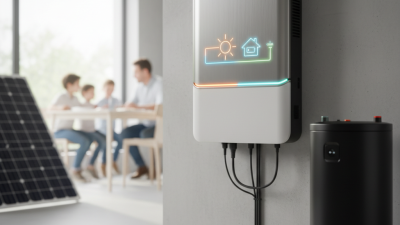
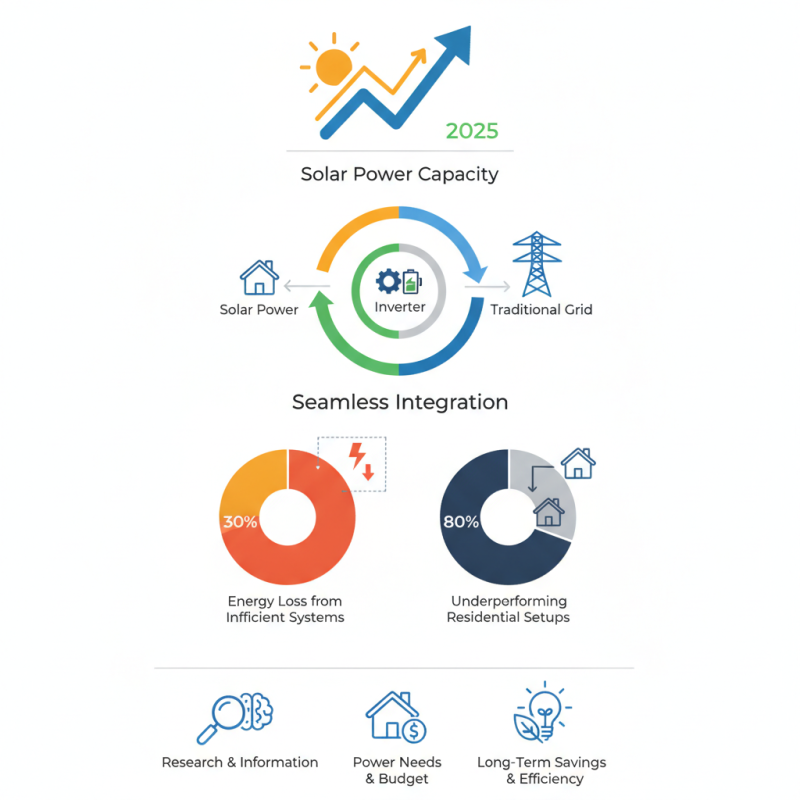
As the demand for renewable energy continues to rise, Solar Hybrid Inverters have gained significant attention. These devices seamlessly integrate solar power with traditional grid energy, optimizing efficiency. According to a report by the International Energy Agency (IEA), solar power capacity is projected to double by 2025, highlighting the importance of reliable inverters in this transition.
Choosing the right Solar Hybrid Inverter is crucial. It affects energy generation and storage quality. Industry experts suggest that around 30% of energy loss can be attributed to inefficient inverter systems. This shows that a poor choice can lead to subpar performance. Statistical data indicates that up to 80% of residential solar setups may underperform due to inadequate inverters.
While the market offers a variety of options, not all Solar Hybrid Inverters are created equal. Some lack advanced features that enhance performance. Investing in high-quality models can lead to better overall energy management. Consumers must weigh the pros and cons, considering power needs and budget constraints. Remember, a well-informed choice today can significantly impact long-term energy savings.
Understanding Solar Hybrid Inverters and Their Benefits
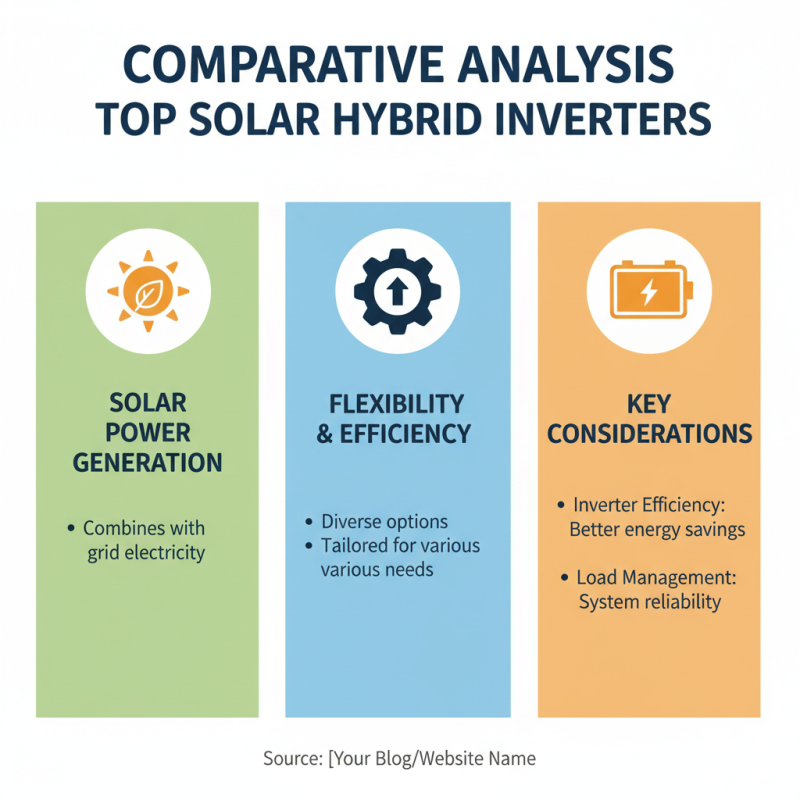
Solar hybrid inverters have gained popularity due to their versatility. They combine features of both grid-tied and off-grid systems. This technology allows users to harness solar energy while simultaneously using grid electricity. Reports indicate that the global solar inverter market will reach $18.73 billion by 2027, underscoring the growing reliance on renewable energy sources.
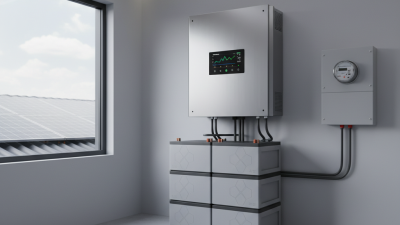
One key advantage of solar hybrid inverters is their ability to store energy. They often integrate with battery systems, providing backup power during outages. This feature can enhance energy independence. According to the International Renewable Energy Agency (IRENA), energy storage systems are expected to grow 28 times by 2030. However, potential buyers should consider installation costs versus long-term savings.
Reliability is essential in such systems. Hybrid inverters come with advanced monitoring capabilities. Users can track energy usage and optimize efficiency. Data from the Solar Energy Industries Association suggests that proper monitoring can enhance solar system performance by up to 20%. Yet, users must be prepared to invest time in understanding these systems. There’s always a learning curve when adjusting to new technology.
Key Features to Look for in Solar Hybrid Inverters
When searching for a solar hybrid inverter, certain features stand out as essential. Efficiency is key; an inverter should convert as much solar energy as possible into usable power. Look for models boasting high efficiency ratings, as this impacts both performance and energy savings. Additionally, monitor the inverter’s power output capabilities. It should handle daily energy needs while being scalable for future expansions.
Compatibility is an important consideration. Your inverter must integrate seamlessly with existing systems, such as solar panels and batteries. Check if it supports various battery types, as this affects long-term flexibility. A user-friendly interface also enhances the experience. Choose inverters that offer clear displays and mobile app accessibility for real-time monitoring.
Another critical feature is safety. Inverters should comply with industry standards to prevent overheating and electrical faults. Built-in protection mechanisms add an extra layer of security, ensuring the longevity of your system. Investing time in research on these aspects is vital. Emphasizing reliability over flashy features may be more beneficial in the long run, as the right inverter can significantly impact energy management and savings.
Top 10 Solar Hybrid Inverters: Overview and Specifications
Solar hybrid inverters bridge the gap between solar energy generation and traditional power usage. Their significance is rapidly growing as the world pushes toward renewable energy. According to a report by the International Renewable Energy Agency (IRENA), solar energy could provide up to 30% of the global electricity supply by 2030. This potential reinforces the need for efficient hybrid inverters.
When selecting a hybrid inverter, it's essential to consider several specifications. Effective inverters offer features like peak power tracking and battery management systems. Data from the U.S. Department of Energy shows that hybrid inverters can improve overall system efficiency by up to 25%. However, quality varies widely across options. Some models may struggle with compatibility, leading to inefficiencies.
Battery capacity and charging speed also matter significantly. An inverter that cannot handle simultaneous loads can lead to energy waste. A study published in the Journal of Solar Energy Engineering found that up to 15% of energy can be lost during poor integration with battery systems. It’s crucial for buyers to assess these aspects before making a decision. Research is vital to ensure that your choice aligns with your energy needs.
Installation and Maintenance Considerations for Solar Hybrid Inverters
Installing and maintaining solar hybrid inverters demands careful consideration. Proper installation is crucial for optimal performance. A professional should handle this task. Incorrect installation can lead to inefficiency or safety hazards. Ensure that your installer is certified and experienced. Check their past work and client reviews. This helps in choosing someone reliable.
During maintenance, keep an eye on the inverter status. Regular checks can prevent major issues. Inspect connections for signs of wear or corrosion. Dust and debris can accumulate, reducing efficiency. Cleaning the unit occasionally is essential. Consider scheduling an annual service check. This can help spot potential problems early on.
Tips: Always read the manufacturer’s manual. It contains valuable information on troubleshooting and maintenance tasks. Staying informed enhances your inverter's lifespan. Also, monitor the system’s performance actively. Sudden drops in efficiency may indicate underlying issues. Addressing them sooner can save time and costs later.
Top 10 Solar Hybrid Inverters You Should Consider for Purchase
| Model |
Power Rating (kW) |
Efficiency (%) |
Number of MPPTs |
Grid Connection Type |
Price Range ($) |
| Model A |
5 |
98 |
2 |
Grid-Tied |
800 - 1000 |
| Model B |
6 |
97 |
2 |
Off-Grid |
1000 - 1200 |
| Model C |
4 |
95 |
1 |
Hybrid |
750 - 950 |
| Model D |
8 |
98.5 |
3 |
Grid-Tied |
1200 - 1500 |
| Model E |
7 |
96 |
2 |
Off-Grid |
1100 - 1400 |
| Model F |
9 |
99 |
3 |
Grid-Tied |
1300 - 1600 |
| Model G |
5 |
97.5 |
1 |
Hybrid |
900 - 1100 |
| Model H |
6 |
95 |
2 |
Off-Grid |
1000 - 1250 |
| Model I |
4 |
96 |
1 |
Grid-Tied |
800 - 950 |
| Model J |
7 |
98 |
2 |
Hybrid |
1100 - 1350 |