How to Choose the Best 10kw Hybrid Inverter for Your Needs?
Choosing the right 10kw Hybrid Inverter can greatly affect your energy efficiency and costs. These inverters can optimize energy use from solar panels, battery storage, and the grid. However, many options are available, making the decision overwhelming.
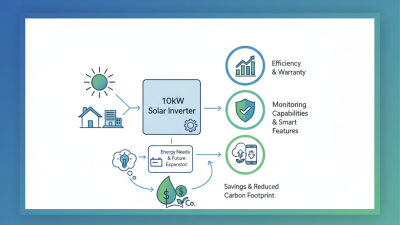
Understanding your specific energy needs is crucial. Look at your average consumption and peak usage times. A 10kw Hybrid Inverter may be ideal for larger households or small businesses. But how do you ensure it fits your lifestyle? Consider factors like installation space, future expandability, and warranty offers.
If you are uncertain, seek professional advice. Many users face challenges when selecting a suitable inverter. Take the time to research customer reviews and expert opinions. This approach will enhance your confidence in making a reliable choice. A well-chosen 10kw Hybrid Inverter can significantly improve your energy management and lower your bills.
Understanding the Basics of 10kw Hybrid Inverters and Their Functionality
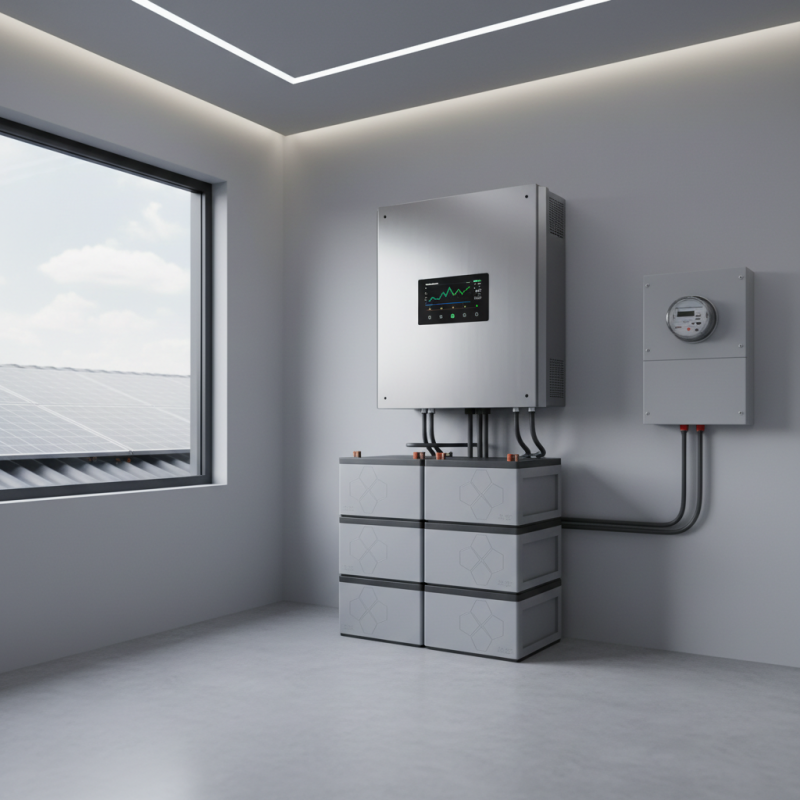
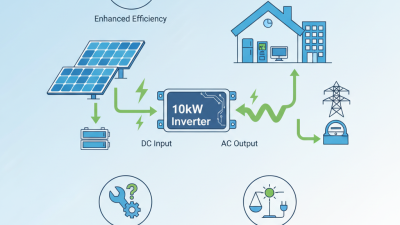
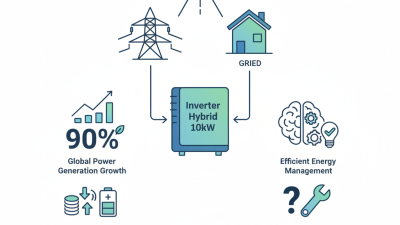
When considering a 10kW hybrid inverter, it's essential to understand its functionality. These devices combine solar and battery technologies. They manage energy efficiently between solar panels, batteries, and the grid. According to the International Energy Agency, hybrid inverters can reduce energy costs by up to 30% over time. They provide a reliable power supply, especially during outages.
Hybrid inverters can operate in various modes. Grid-tied mode connects to the utility, while off-grid provides complete independence. Users should evaluate their energy needs carefully. Reports indicate that many consumers underestimate peak power usage, leading to inadequate systems. In fact, up to 40% of users find their inverters struggle with higher loads.
Tip: Always check the inverter’s efficiency rating. A higher rating indicates better utilization of energy.
Choosing the right inverter requires assessing the battery capacity and solar panel wattage. Miscalculations here can lead to performance issues. It's also vital to consider the inverter's warranty and service options. A product with a solid support network offers reliability.
Tip: Look for inverters with adaptive control features. They adjust power distribution according to changing conditions.
Selecting the right 10kW hybrid inverter involves understanding these functionalities. By aligning your needs with technological capabilities, you can make an informed choice. Use available data and insights to guide your decision.
Evaluating Your Energy Needs: How to Calculate Required Power Consumption
When evaluating your energy needs, calculating your required power consumption is crucial. Start by identifying all your electrical appliances. Consider their wattage and usage time. For example, a refrigerator typically uses around 150 watts. If it runs for 24 hours, that totals 3,600 watt-hours. This approach helps outline your daily energy consumption.
Next, it’s essential to assess your peak load. This consists of the maximum wattage used at any moment. Take note of high-demand appliances like air conditioners or heaters. A common mistake is underestimating this peak load, which can lead to system inefficiencies.
Consider also the loss of efficiency over time. Inverters can degrade, affecting overall performance. Regularly revisiting your calculations can ensure you align energy needs with your inverter choice. Each household has unique energy patterns. Recognizing these patterns leads to smarter decisions.
Comparing Efficiency Ratings: What You Need to Know About Performance
When choosing a 10kw hybrid inverter, understanding efficiency ratings is crucial. Efficiency directly impacts the energy output and savings you can expect. Look for inverters that have high performance ratings, ideally above 90%. This indicates more of the solar energy collected can be converted into usable power. Testing methods vary, so check for independent certifications to ensure accuracy.
It’s also important to consider how these inverters perform under different conditions. Look for data that shows how they handle cloudy weather or partial shading. Some models may excel in ideal conditions but falter when faced with real-world challenges. You might find that while one inverter boasts high efficiency ratings, it underperforms in your specific setting.
Not every inverter will be perfect for your needs. Pay attention to user reviews and expert analyses. They often highlight strengths and weaknesses that ratings might miss. Remember, efficiency ratings are not the only factor. Installation, durability, and customer support also play significant roles in overall performance and satisfaction. Choose wisely and consider all aspects.
Comparative Efficiency Ratings of 10kW Hybrid Inverters
Cost Analysis: Budgeting for Your 10kw Hybrid Inverter Investment
Investing in a 10kw hybrid inverter requires careful cost analysis. Set clear financial goals. Consider both initial purchase and long-term expenses like maintenance and operation. Prices can vary significantly. Research different models to find features that fit your needs. Don’t forget to factor in installation costs, which can add up.
Prioritize durability and efficiency. Sometimes a cheaper inverter may lead to higher long-term costs due to repairs or energy waste. Look for customer reviews and expert opinions to assess reliability. Unexpected expenses can derail your budget. Pay attention to warranty offerings as well. They can provide peace of mind and protect your investment.
Mental preparation is crucial. Prices can fluctuate due to market conditions. Stay informed about trends to make better decisions. Reflect on your energy needs. Are they likely to grow? Planning now can save money later. Balancing upfront costs with future benefits can be challenging but rewarding.