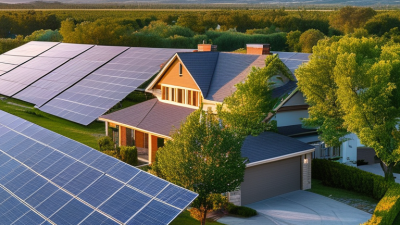
The global solar market is changing from simple daytime generation toward flexible, round-the-clock energy management. A Hybrid Solar Inverter now connects photovoltaic panels, batteries, household loads, and the electrical grid in one coordinated system. It can store surplus electricity at noon, support evening consumption, and provide backup power during an outage. The technology sounds straightforward. It is not.
This article examines the Top 10 Hybrid Solar Inverter Manufacturers Worldwide through practical and technical criteria. These include conversion efficiency, battery compatibility, backup switching time, monitoring quality, warranty support, safety certifications, and regional service capability. A strong product should perform reliably in a hot rooftop cabinet, not only in a polished laboratory brochure. Real installations also reveal weaknesses, including unclear software alerts, limited battery choices, or slow after-sales responses.
Solar photovoltaics expert Professor Martin Green has described solar energy as “clean, abundant, and inexhaustible.” His observation remains relevant, but modern systems must manage that resource intelligently. A capable inverter decides when power should flow, charge, discharge, or remain available for emergencies. Small decisions matter.
No ranking is perfectly universal. Installer experience, local grid rules, climate, and household demand can change the result. Some manufacturers lead in residential backup, while others perform better in commercial storage or utility-scale applications. This comparison therefore values evidence over marketing language. It also recognizes an uncomfortable truth: the best inverter on paper may not be the best choice for every roof, battery, or budget.
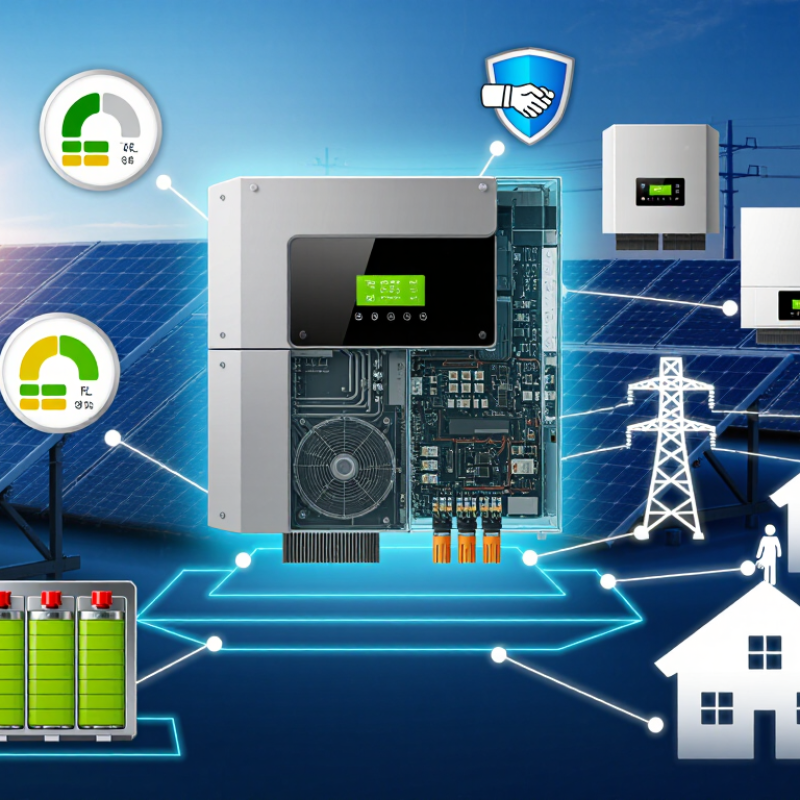
A hybrid solar inverter combines photovoltaic conversion, battery charging, and household power management in one control system. It converts solar DC into usable AC, then stores surplus energy in a battery. When sunlight weakens, the battery can supply the home. Some systems also coordinate with the utility grid or a backup generator.
Its role is broader than simple power conversion. The inverter tracks changing solar output, controls battery charging, and balances household demand. During an outage, approved systems can isolate selected circuits and create a local power supply. Safety settings matter. Incorrect configuration may reduce backup performance or shorten battery life.
The IEA PVPS Trends 2024 report recorded about 456 GW of new solar capacity worldwide in 2023. That rapid expansion increases demand for reliable energy management, not only more panels. IRENA reported global solar capacity exceeding 1.4 TW at the end of 2023.
Tips: Match inverter capacity with peak loads, battery voltage, and local grid requirements. Check surge ratings for pumps, refrigerators, and air conditioners. Ask for tested efficiency curves, not only headline efficiency. A perfect setup does not exist. Seasonal shadows, aging batteries, and user habits still affect results. Regular monitoring can reveal these weaknesses before they become expensive.
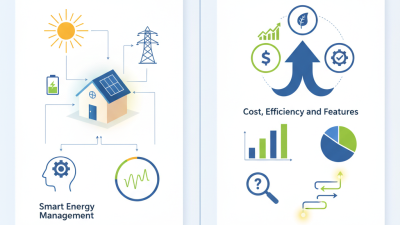
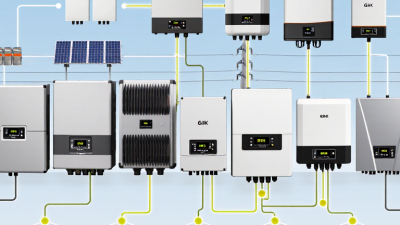
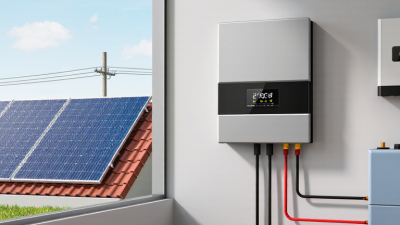
Hybrid solar inverters combine photovoltaic conversion, battery charging, grid interaction, and backup control in one coordinated system.
The International Energy Agency’s Renewables 2024 report projects more than 5,500 GW of new renewable capacity by 2030, with solar accounting for about 80%. This growth increases demand for smarter power electronics, not merely larger converters.
The core technology is high-frequency switching using silicon carbide or advanced silicon devices.
These components reduce switching losses and support smaller thermal systems. Maximum power point tracking adjusts voltage as sunlight changes across a roof. Battery management systems monitor cell temperature, voltage, and state of charge. They also limit charging when conditions become unsafe.
Thermal management matters. A dusty inverter enclosure can quietly reduce output during a hot afternoon.
Grid-forming control is becoming more important as distributed batteries expand.
It allows an inverter to create a stable voltage reference during backup operation. Anti-islanding protection disconnects the system when grid conditions become abnormal. Advanced models also use dynamic power control, remote diagnostics, and time-of-use scheduling.
The U.S. National Renewable Energy Laboratory has repeatedly identified interoperability and cybersecurity as important issues for distributed energy systems.
Yet software claims deserve careful testing. A polished dashboard does not prove reliable islanded operation.
Field data, certification records, and verified efficiency curves remain more useful than impressive marketing language.
Comparing the top 10 hybrid solar inverter manufacturers requires more than reading efficiency figures. A credible evaluation begins with verified field experience, independent test records, and clear technical documentation. Check continuous output, surge capacity, battery voltage range, and maximum photovoltaic input. A 5 kW inverter may handle ordinary loads, yet struggle with a refrigerator, pump, and induction cooker starting together.
Reliability depends on more than hardware. Examine thermal design, enclosure protection, fan control, and performance at 35°C ambient temperature. Review applicable safety certifications, grid connection approvals, firmware controls, and protection against overvoltage or reverse polarity. Manufacturers with traceable quality processes usually explain failure testing and component tolerances. Numbers can mislead. A higher peak efficiency may matter less than stable operation during cloudy afternoons.
After-sales service deserves equal attention. Compare warranty length, replacement procedures, installer training, remote diagnostics, and response times in the target market. Ask whether spare communication boards and cooling fans remain available after several years. Clear manuals should show wiring limits, battery settings, fault codes, and shutdown steps. I have found that attractive specifications sometimes conceal narrow operating conditions. That is an uncomfortable weakness, but it should remain visible. Independent reviews, documented installations, and transparent limitations create stronger evidence than promotional claims. Support matters.
The top 10 hybrid solar inverter manufacturers worldwide are judged by more than shipment volume. Their products must balance conversion efficiency, battery control, grid support, and long-term reliability. Strong manufacturers publish clear datasheets, test results, warranty terms, and installer guidance. These details matter when a 5 kW system operates on a hot rooftop or in a dusty rural enclosure.
A reliable hybrid inverter should support multiple battery chemistries and provide stable MPPT tracking during broken cloud cover. Some models handle 48 V batteries, while larger systems use high-voltage storage packs. Buyers should check surge capacity, backup switching time, IP protection, and communication protocols. Local service also matters. A technically excellent unit becomes difficult when replacement parts take months to arrive.
Field experience can change the ranking. A manufacturer may offer impressive efficiency, yet its monitoring platform could lose data after a router reset. Another may provide strong hardware but limited training for installers. These weaknesses deserve attention. Independent testing, regional certifications, and documented fault rates offer better evidence than promotional claims. Prices also vary sharply between markets because labor, distribution, and support costs differ. The leading ten manufacturers are not identical, and the best choice depends on climate, grid quality, battery type, and expected backup load.
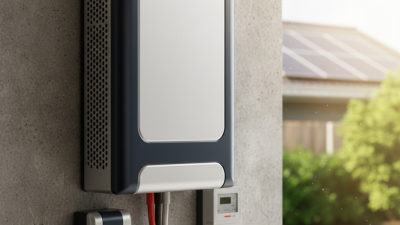
Hybrid solar inverters are moving from simple backup devices toward intelligent energy managers. In residential projects, common systems pair three to ten kilowatts of solar capacity with five to fifteen kilowatt-hours of battery storage. Field experience shows that software often matters as much as conversion efficiency. Accurate weather forecasting can delay charging until afternoon, while load tracking can reduce grid purchases during evening peaks. Quiet operation and compact wall-mounted designs are also becoming practical selling points.
Manufacturers competing in the global top tier are investing in wider voltage ranges, faster transfer times, and stronger thermal control. Many new units support multiple maximum power point trackers, helping rooftops with different orientations produce more energy.
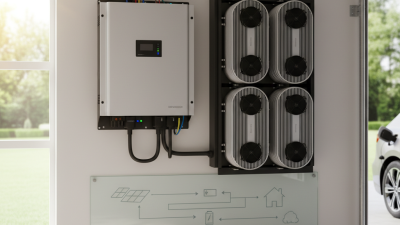
Bidirectional charging is gaining attention, especially where electric vehicles can support household loads. This function remains uneven across markets. Hardware may be ready, but local grid rules and installation practices can slow adoption.
Future development will likely focus on modular batteries, sodium-ion alternatives, and more open communication protocols. Better cybersecurity is essential as inverters connect with home networks and utility platforms. Installers should test real-time monitoring under weak internet conditions, not only during showroom demonstrations. A five-minute data delay can distort energy decisions. Forecasts are optimistic, perhaps too optimistic. Recycling systems, repair access, and long-term software support still receive less attention than headline efficiency figures. That gap deserves closer scrutiny.