Why Choose a 10kw Inverter for Your Energy Needs?
In the evolving landscape of renewable energy, the 10kw Inverter stands out as a crucial component for efficient power management. Industry expert, Dr. Emily Carter, emphasizes its importance, stating, "A 10kw inverter transforms solar energy into usable power." This highlights its role in enhancing energy independence for homes and businesses.
The decision to choose a 10kw inverter often stems from specific energy needs. It is vital for households with significant electricity consumption. The performance of a 10kw inverter can dictate energy efficiency, ultimately affecting utility costs. Accuracy in selecting the right inverter is essential.
Yet, challenges exist. Users may overlook factors such as compatibility with solar panels or battery systems. This oversight can lead to wasted energy and increased expenses. It is imperative to engage with professionals to navigate these complexities. Understanding the nuanced benefits of a 10kw inverter can significantly impact energy sustainability and efficiency.

Understanding the Basics of Inverters and Their Functionality
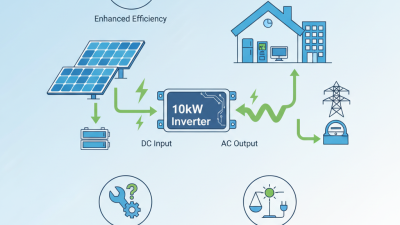
Inverters play a critical role in energy management systems. They convert direct current (DC) into alternating current (AC), which is essential for household and industrial applications. For effective energy utilization, a 10kW inverter is often recommended. This size can support various loads and optimize energy consumption, especially for renewable sources like solar power. According to industry reports, home energy systems are shifting towards inverters with higher capacities to meet increasing energy demands.
Choosing the right inverter requires understanding your energy needs. A 10kW inverter is capable of powering multiple appliances simultaneously. This includes lighting, refrigeration, and heating systems. Many households report an increase in efficiency when using properly sized inverters. It’s advisable to calculate your peak load requirements before installation.
**Tips:** Always consult with an energy expert before purchasing. They can provide tailored advice based on your specific needs. Additionally, regularly monitoring the performance of your inverter can help identify areas for improvement. Over time, users might notice inefficiencies that need addressing. Sometimes, the inverter may not perform as expected, leading to unexpected energy costs.
Key Benefits of a 10kW Inverter for Residential Energy Needs
A 10kW inverter is ideal for residential energy needs. It can handle medium to large homes efficiently, providing power for essential appliances. According to a report by the International Renewable Energy Agency, residential systems that include 10kW inverters often see a 30% increase in energy autonomy. This means homeowners can rely less on the grid, reducing both costs and their carbon footprint.
One significant benefit is scalability. A 10kW inverter can support various energy setups, whether for solar panels or other renewable sources. As energy requirements grow, this versatility is invaluable. However, some may overlook the importance of proper matching with solar panel output. An inverter that exceeds panel capacity can lead to inefficiencies and potential energy loss.
Reliability is another factor to consider. Studies by the National Renewable Energy Laboratory show that high-quality inverters tend to lower maintenance costs over time. Yet, not all installations achieve this level of reliability. Homeowners need to ensure their installation is done correctly, or they risk performance issues. Ensuring the right fit and maintaining the system regularly is crucial for maximizing benefits.
Why Choose a 10kw Inverter for Your Energy Needs? - Key Benefits of a 10kW Inverter for Residential Energy Needs
| Benefit |
Description |
Estimated Savings ($/Year) |
Additional Features |
| High Efficiency |
Converts a larger portion of DC energy from solar panels into usable AC energy, reducing energy waste. |
$300 |
Optimized power management technology |
| Flexible Installation |
Can be installed in various configurations, allowing for space-saving setups. |
$150 |
Compact design suitable for small spaces |
| Grid Independence |
Enables off-grid solar systems, allowing homeowners to generate their own electricity. |
$500 |
Battery backup capabilities |
| Smart Technology |
Includes monitoring and control systems for real-time energy usage tracking. |
$200 |
Mobile app connectivity |
| Durability |
Built to withstand harsh weather conditions and provide long-term performance. |
$100 |
Weather-resistant casing |
Comparing 10kW Inverters with Other Power Ratings
When choosing an inverter for home or business energy needs, a 10kW model stands out. Its capacity balances power and efficiency. It typically supports medium to large installations, making it a versatile choice. Many users find it sufficient for multiple appliances. Compared to smaller inverters, it can handle higher loads without strain. However, some might overestimate their energy needs and purchase more capacity than necessary.
On the other hand, smaller inverters often struggle during peak usage times, potentially causing disruptions. They are suitable for low-energy applications but may fail under higher demand. For instance, a 3kW inverter could handle basic functions, yet when multiple devices are in use, it may not suffice. This often leads to frustration and additional costs.
In addition, larger units above 10kW can be overkill for most residential settings, raising upfront costs and maintenance. Users must carefully evaluate their requirements. A 10kW inverter not only meets a broad range of needs but can also accommodate future energy demands. Balancing capacity with actual usage is essential for achieving optimal efficiency and saving money.
Factors to Consider When Selecting a 10kW Inverter
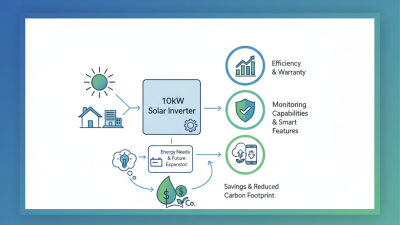
When selecting a 10kW inverter, several factors come into play. Understanding your power needs is crucial. This will ensure that the inverter can handle your energy consumption efficiently. Analyze your daily energy usage by paying attention to peak times and the devices that draw the most power. This gives insight into whether a 10kW inverter will be adequate for your situation.
Efficiency is another key consideration. Look for inverter models with high efficiency ratings. A higher rating means less energy loss during conversion. This translates to more power available for your needs. Think about the environment where the inverter will be installed. Factors like temperature and ventilation impact its performance. Install it in a well-ventilated space to prevent overheating.
Don’t overlook the importance of warranty and support. A good warranty reflects the manufacturer's confidence in its product. This becomes particularly vital if issues arise after installation. Review user feedback for reliability. Reading what others experienced can reveal the true performance of the inverter. Address any concerns before making a final decision, and ensure all aspects are considered.
Real-World Applications and Efficiency of 10kW Inverters
When considering energy needs, a 10kW inverter stands out for its versatility. It’s suitable for both residential and small commercial applications. With the ability to handle a significant load, it effectively powers multiple appliances. Common uses include running air conditioning systems, refrigerators, and heavy machinery. Efficiency is key. Many 10kW inverters operate at over 90% efficiency, optimizing energy use.
Tips: Assess your energy requirements carefully. Determine which appliances need power during peak hours. This helps in deciding the suitability of a 10kW inverter.
In real-world applications, installation matters. Correct placement enhances performance and efficiency. Think about ventilation and avoid overheating. Some users overlook this aspect, leading to diminished output. Understanding the environment where the inverter operates is crucial. It impacts both reliability and lifespan.
Tips: Regular maintenance checks are essential. Cleaning filters and inspecting connections can prevent disruptions. Take time to ensure your system works optimally, avoiding unexpected issues in energy supply.