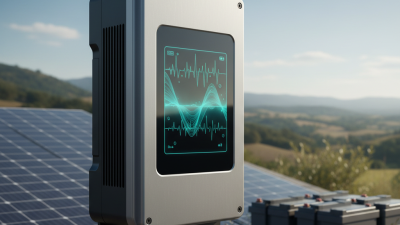
Why Choose a 10kw Hybrid Inverter for Your Energy Needs?
In today's world, energy efficiency is crucial for both homes and businesses. A Hybrid Inverter 10kw stands out as an ideal solution for various energy needs. It blends solar and battery storage, offering flexibility and reliability. Many consumers seek ways to harness renewable energy while reducing electricity costs. The 10kw hybrid inverter provides a powerful option, balancing the grid and solar energy efficiently.
Choosing the right inverter can feel overwhelming. Numerous options exist, but a Hybrid Inverter 10kw offers an excellent balance of efficiency and power capacity. Users often wonder about long-term benefits versus initial costs. While the upfront investment may seem high, the long-term savings and reduced reliance on traditional energy sources are compelling. Regular monitoring can highlight performance levels and reveal areas for improvement.
Yet, challenges remain. Some users may experience grid dependency or installation difficulties. As technology progresses, it's essential to stay informed. Engaging knowledgeable professionals can help mitigate these concerns. Moving forward, understanding the nuances of a 10kw hybrid inverter can lead to better energy decisions for a sustainable future.
Benefits of Using a 10kW Hybrid Inverter for Energy Management
A 10kW hybrid inverter offers a range of benefits for energy management. These inverters combine solar power with grid energy seamlessly. This results in increased efficiency and reduced energy costs. Users can draw power from solar panels during the day while using grid electricity when sunlight is unavailable. This flexibility maximizes energy use.
One key advantage is energy independence. By utilizing stored solar energy, households can ensure a steady power supply, reducing reliance on the grid. This can be particularly valuable during peak demand periods. However, not every setup will work perfectly. Users may need to assess their specific energy consumption patterns and adjust. This tailored approach requires careful monitoring and adjustments.
Reliability is another aspect to consider. A hybrid inverter needs to adapt to changing energy demands. Some users may find their systems underwhelming during high usage times. Proper planning and installation are crucial. Users should also consider long-term maintenance needs. Despite these challenges, the potential for cost savings remains significant. The right inverter can lead to sustainable energy solutions for various households.
Understanding the Functionality of Hybrid Inverters in Energy Systems
Hybrid inverters play a crucial role in modern energy systems. They seamlessly combine solar power generation with the storage capabilities of batteries. This integration allows for efficient energy use, maximizing the potential of renewable resources. For many households, installing a 10kW hybrid inverter offers an ideal balance between energy generation and consumption. It can manage both solar panels and energy storage systems effectively, ensuring a steady supply.
One intriguing aspect of hybrid inverters is their ability to function during power outages. They provide backup power, keeping essential appliances running. This feature is particularly valuable in areas prone to grid instability. However, the complexity of these systems can pose challenges during installation and maintenance. Users may find it difficult to optimize their systems for maximum efficiency.
Additionally, the cost of a 10kW hybrid inverter is noteworthy. While the initial investment may be high, the long-term savings on energy bills can outweigh expenses. Yet, potential buyers should reflect on their energy consumption needs before deciding. Understanding the specific energy demands of your home can lead to better energy management and cost-effectiveness.
Energy Generation Comparison: 10kW Hybrid Inverter vs. Traditional Inverter
This chart compares the energy generation capabilities between a 10kW hybrid inverter and a traditional inverter. The hybrid inverter utilizes solar power, grid supply, and battery storage, providing a more flexible and efficient energy system. In contrast, the traditional inverter relies solely on solar and grid supply, showing a higher total consumption with lower efficiency.
Comparative Analysis: 10kW Hybrid Inverter vs. Traditional Inverters
When comparing a 10kW hybrid inverter to traditional inverters, the advantages are compelling. Traditional inverters convert direct current (DC) to alternating current (AC) but cannot store energy. This limits flexibility. In contrast, a hybrid inverter combines grid power, solar energy, and battery storage. It allows for on-demand energy use and promotes energy independence.
Another key difference is efficiency. Hybrid inverters optimize power usage by adjusting to energy production and consumption patterns. This means you benefit from lower energy bills. Despite these advantages, there are still considerations to weigh. Installation can be complex, and the system's upfront cost may be higher. Not every home or business may fully utilize a hybrid inverter’s capabilities.
Reliability is another aspect. While hybrid inverters are generally robust, their efficiency depends on factors like battery health and solar production. Environmental conditions can affect solar output. Users must monitor these elements for maximum benefits. Balancing these considerations can help in making an informed choice that aligns with your energy needs.
Cost-Effectiveness of 10kW Hybrid Inverters Over Time
The cost-effectiveness of a 10kW hybrid inverter becomes clear over time. Studies show that hybrid inverters can reduce energy costs by up to 30% annually. Lower energy bills make them attractive for homeowners and businesses. With rising electricity prices, this solution offers a hedge against future costs. Installation of a 10kW hybrid inverter can be a significant upfront investment. However, the return on investment (ROI) can occur within 5 to 7 years, depending on energy consumption patterns.
Moreover, hybrid inverters enable energy storage, allowing users to bank energy for later use. This flexibility can lead to additional savings. By utilizing stored energy during peak hours, users avoid high tariff charges. According to industry reports, users can offset their grid dependence by as much as 70%. Still, performance can fluctuate based on local climate conditions. Some regions may generate less solar energy, affecting overall savings. Therefore, it's crucial to analyze specific energy needs and local conditions before making a decision.
Integration with Renewable Energy Sources: A Key Advantage
The rise of renewable energy sources has transformed the energy landscape. A 10kw hybrid inverter stands out in this shift. By integrating solar and wind power, it provides a reliable alternative to traditional energy sources. According to the International Renewable Energy Agency (IRENA), renewable energy capacity is expected to triple by 2030. This surge highlights the crucial role of hybrid inverters.
Hybrid inverters enable seamless energy management. They can store energy during peak production times for use when demand rises. A study from the National Renewable Energy Laboratory (NREL) shows that homes with hybrid systems reduce grid dependency by up to 80%. Considering that these systems can operate independently during outages, project developers see this feature as a huge advantage.
Consumers, however, should be aware of installation complexities. Not all homes may accommodate these systems without additional upgrades. Also, the initial investment can be significant. A careful assessment of energy needs is essential. This decision requires understanding installation costs, potential savings, and local regulations. The integration of renewable energy through hybrid inverters is promising, yet it demands thoughtful planning.