Top 10 Off Grid Solar Inverters for Sustainable Energy Solutions?
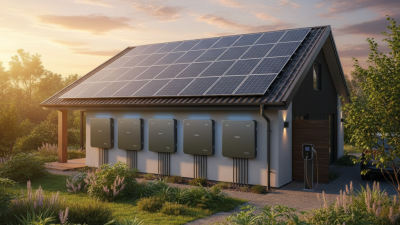
In an era where sustainable energy solutions are paramount, choosing the right solar inverter off grid is critical. These devices convert the energy collected from solar panels into usable electricity for homes or remote locations. Off-grid systems offer independence from the traditional grid, making them attractive for eco-conscious individuals and communities.
The market is filled with options that vary in efficiency and price. Evaluating these choices can be overwhelming. Factors like durability, compatibility with solar panels, and energy output should guide your selection. Additionally, reliable customer reviews provide insights into long-term performance.
However, not all products deliver as promised. Some solar inverter off grid models may struggle in low-light conditions. Misleading marketing can lead to disappointment. It is essential to uncover genuine user experiences to make informed decisions. As we explore the top 10 options available, keep these factors in mind to ensure a rewarding investment in sustainable energy.
Top 10 Off Grid Solar Inverters: A Comprehensive Overview
When considering off-grid solar inverters, the choice can be overwhelming. Each inverter varies in efficiency, power capacity, and features. Selecting the right inverter impacts your energy solution significantly. A well-suited inverter can enhance energy yield and reliability, serving both residential and commercial needs.
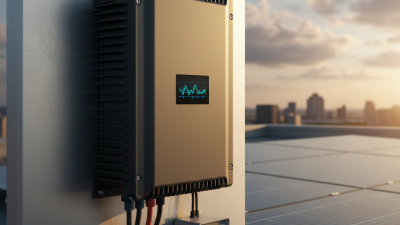
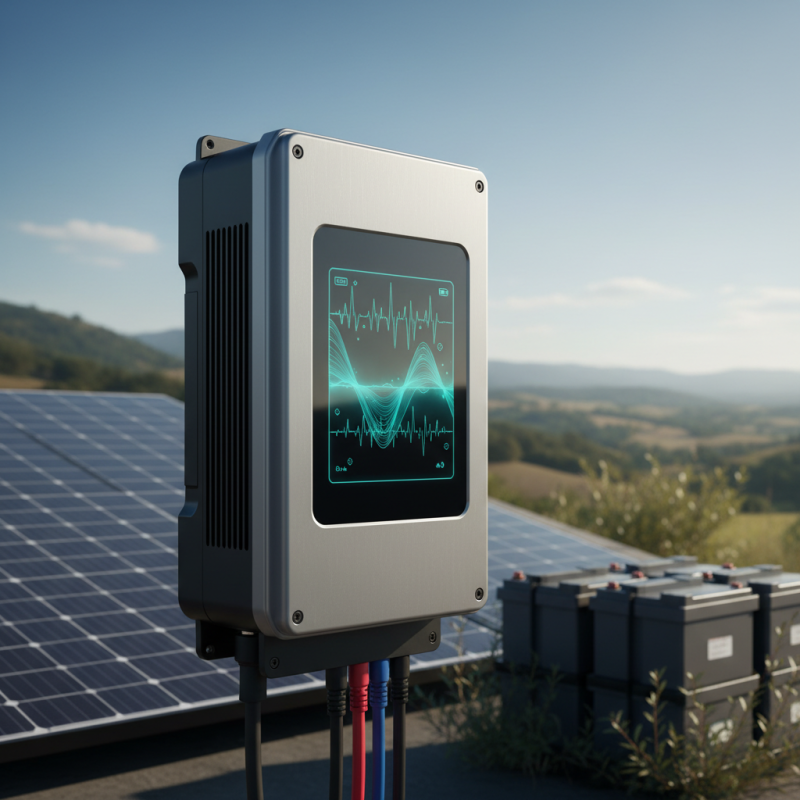
Some inverters offer advanced features like smart technology integration. These devices can be monitored in real-time, providing insights into energy consumption. Users appreciate the ability to track their energy generation and usage. However, many people struggle with understanding these technical specifications. It can be a challenge to differentiate between advanced features and mere marketing jargon.
Reliability is another critical factor. Off-grid systems can be unpredictable. Inverters must withstand harsh conditions and varying load demands. Regular maintenance may be needed, which poses a concern for DIY enthusiasts. It’s vital to evaluate the long-term performance of a product over its warranty. Despite these challenges, many find the transition to off-grid living rewarding. Each adapter provides unique answers to sustainability needs, allowing for a customized energy approach.
Top 10 Off Grid Solar Inverters for Sustainable Energy Solutions
| Inverter Type |
Power Output (W) |
Battery Compatibility |
Efficiency (%) |
Warranty (Years) |
Weight (lbs) |
| Pure Sine Wave |
3000 |
Lithium-ion, AGM |
90 |
5 |
50 |
| Modified Sine Wave |
2000 |
Lead Acid |
85 |
3 |
40 |
| Hybrid Inverter |
5000 |
Lithium-ion |
95 |
10 |
70 |
| Grid-Tied Inverter |
2500 |
AGM, Gel |
92 |
5 |
60 |
| Off Grid Inverter |
1500 |
Lead Acid |
80 |
2 |
35 |
| Power Inverter |
800 |
Lithium-ion, AGM |
88 |
1 |
25 |
| Solar Inverter |
4000 |
Lithium-ion |
93 |
8 |
55 |
| Top Mount Inverter |
6000 |
Lead Acid, AGM |
91 |
7 |
80 |
| Compact Inverter |
1000 |
Lithium-ion |
87 |
4 |
30 |
| Digital Inverter |
3200 |
AGM, Gel |
89 |
6 |
45 |
Understanding the Role of Solar Inverters in Off Grid Systems
In off-grid solar systems, solar inverters play a critical role. They convert direct current (DC) from solar panels into alternating current (AC) for household use. This transformation is essential for running standard appliances. Inverters also monitor energy production and system performance. They optimize power output, ensuring that the maximum energy is harnessed from sunlight.
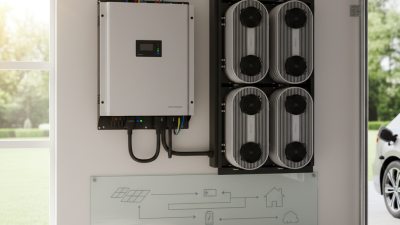
Choosing the right inverter is crucial for system efficiency. Compatibility with battery systems, charging capacity, and built-in protections are key factors. Users should consider the inverter's efficiency ratings and durability in various climates. It’s essential to strike a balance between cost and quality. Some models may be cheaper but less reliable, leading to long-term issues.
Consider the installation environment as well. Inverters should withstand temperature fluctuations and moisture. Careful placement can enhance performance, reducing wear and tear. Regular maintenance checks are also vital. Monitoring the system can prevent failures and improve lifespan. Understanding these details will lead to better energy independence and sustainability.
Key Features of High-Efficiency Off Grid Solar Inverters
When considering off-grid solar inverters, efficiency becomes paramount. High-efficiency inverters can convert more energy from solar panels into usable power. According to a report by the National Renewable Energy Laboratory, the best inverters achieve efficiency rates exceeding 95%. This efficiency is crucial for maximizing energy output, especially in remote areas. A small increase in efficiency can significantly impact energy performance, especially during peak sunlight hours.
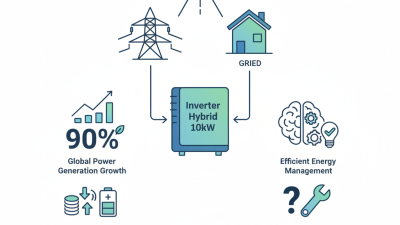
Another essential feature is the inverter's ability to handle various load types. Many high-efficiency inverters possess built-in load management systems. These systems allow for seamless operation between solar, battery, and grid power sources. The ideal inverter can manage fluctuating energy demands without losing stability. This adaptability is vital in off-grid systems where conditions vary constantly.
Durability should not be overlooked. High-quality inverters are typically rated for harsh weather conditions. They must resist environmental factors like heat, dust, and moisture. Some reports highlight that up to 30% of solar system failures stem from inverter issues. Investing in robust designs can prevent costly replacements and ensure long-term reliability. Selecting the right inverter is not always straightforward, and users often find themselves reassessing their choices based on performance and durability.
Analyzing the Cost-Effectiveness of Off Grid Solar Inverters
When considering off-grid solar inverters, cost-effectiveness is crucial. A well-chosen inverter can save money in the long run. Future expenses often negate initial savings. The right model might seem expensive at first, but its efficiency pays off. Analyzing installation costs is vital. Some inverters have complicated setups, increasing overall costs. It helps to seek expert advice or conduct thorough research.
Warranties and service support are significant factors. An inverter with limited support may incur higher repair costs. Technological advancements, such as improved battery compatibility, can also enhance value. Regular updates ensure reliability, but they often come at a price. Carefully evaluate these aspects before committing to a purchase. Calculate the total cost of ownership. This should include maintenance and replacement projections.
Moreover, careful planning impacts overall effectiveness. Some users tend to overlook their actual energy needs. Choosing an inverter with excessive capacity wastes money. Energy audits help in making informed choices. Balance between needs and budget is essential for optimal results. Embracing off-grid solar solutions requires a thoughtful approach to avoid unnecessary expenditures.
Environmental Impact: The Benefits of Sustainable Solar Inverter Solutions
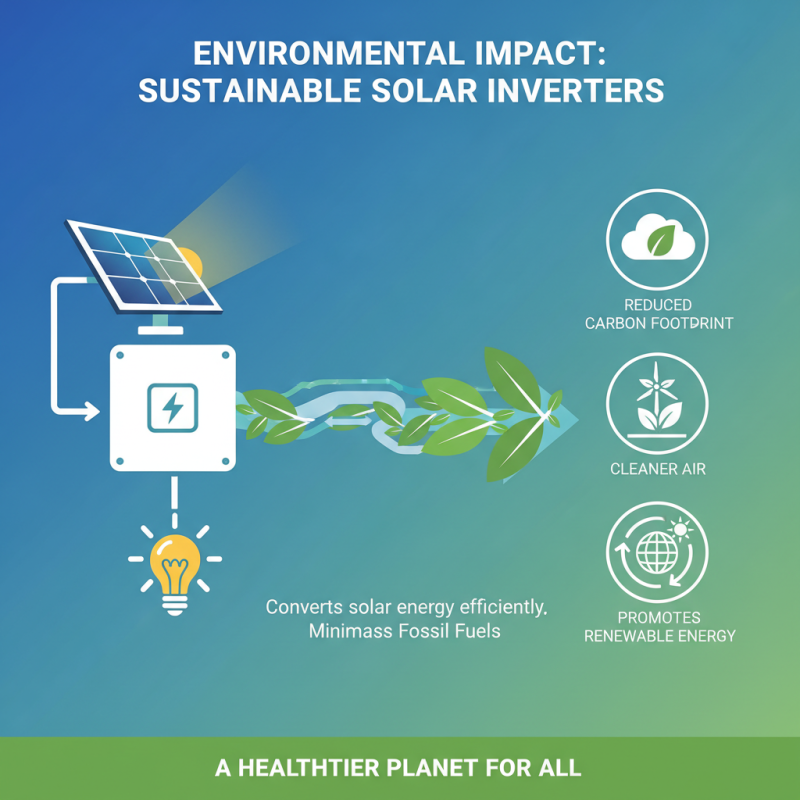
Sustainable solar inverters play a crucial role in reducing our carbon footprint. They convert solar energy into usable electricity efficiently. This process minimizes reliance on fossil fuels, leading to cleaner air and a healthier environment. Using these inverters supports renewable energy sources, promoting sustainability.
The environmental benefits extend beyond energy production. Sustainable solar inverters can lead to energy independence for households. This shift reduces the demand placed on national grids and lowers electricity costs. However, there are challenges. The initial setup can be expensive, and technology may feel overwhelming for some users. Training and support are essential to ensure successful implementation.
Moreover, the recycling of inverters at the end of their life cycle is vital. Not all components are biodegradable, and improper disposal can lead to pollution. Continuous innovation is needed to improve inverter design for easier recycling. Balancing technological advancement with environmental responsibility requires ongoing reflection and action.