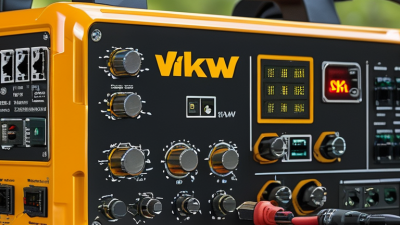
The demand for renewable energy solutions is skyrocketing. A significant player in this market is the 50kw Hybrid Inverter, which integrates both solar and grid energy. As of 2022, the global hybrid inverter market was valued at approximately $1.5 billion, with projections reaching $3 billion by 2026. This surge illustrates a growing shift towards sustainable energy.
Many homeowners and businesses are seeking efficient and reliable energy sources. The 50kw Hybrid Inverter offers flexibility and cost savings, essential for modern energy management. It allows users to harness solar power while maintaining a connection to the grid. However, the rapid market growth poses a challenge for buyers. Selecting the right inverter can be daunting, given the multitude of options available.
While numerous models claim efficiency and reliability, not all meet expectations. Consumers may encounter misleading specifications or inadequate support. Therefore, thorough research is crucial. Reviewing professional reports and user testimonials can help buyers make informed choices. Ultimately, the right 50kw Hybrid Inverter can lead to significant energy savings and a reduced carbon footprint.

When choosing a 50kW hybrid inverter, several critical features warrant careful consideration. Efficiency stands out as a primary factor. Reports indicate that the average efficiency of hybrid inverters ranges between 90% to 98%. This efficiency directly impacts energy savings and overall performance. A high-efficiency inverter minimizes energy losses, making it essential for buyers examining long-term return on investment.
Battery compatibility is another vital feature. A well-matched inverter can extend battery life and enhance performance. Research suggests that hybrid inverters should ideally work with various battery types, including lithium-ion and lead-acid. Flexibility in this regard allows users to adapt as technology progresses. Monitoring capabilities are also key. Modern inverters come equipped with real-time data tracking, enabling users to optimize energy consumption effectively.
When selecting a 50kW hybrid inverter, consider the warranty period offered by manufacturers. Typical warranties last from 5 to 10 years. A longer warranty signals reliability and confidence in the product.
Tips: Always review user reviews and industry reports for insights on performance. Seek inverters with scalable features for future upgrades. Don't overlook ease of installation, as complex setups can lead to performance issues.
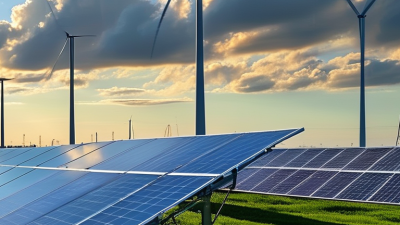
In the ever-evolving landscape of renewable energy, selecting the right hybrid inverter is crucial. A 50kw hybrid inverter can efficiently manage solar energy, battery storage, and grid connection. Many global buyers seek reliable options that maximize energy efficiency while ensuring stability and safety. Key features to compare include efficiency rates, installation flexibility, and customer support.
Reliability is vital. Some inverters fall short on performance under varying conditions. The impact of local climate, load demands, and installation quality can significantly affect inverter output. Buyers should consider how each device handles these variables. Performance metrics help, but real-world user experiences often provide deeper insights.
Another aspect worth exploring is maintenance. Some models require more frequent checks than others. This can lead to increased costs over time. Understanding long-term usability ensures informed choices. As technology advances, new solutions may emerge, requiring buyers to stay updated. The search for the best hybrid inverter should consider current offerings as well as potential future trends.
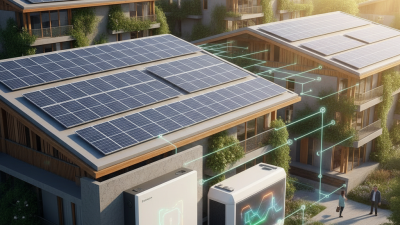
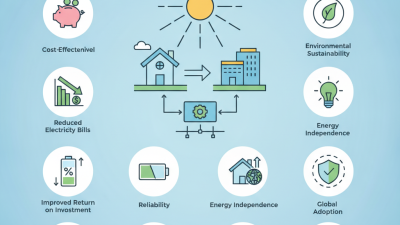
A 50kW hybrid inverter offers significant advantages for both residential and commercial applications. Its ability to manage various power sources enhances energy efficiency. Homeowners can benefit from solar energy while still relying on the grid for backup. This setup reduces electricity bills and supports sustainability.
Commercial users find that a 50kW hybrid inverter can power essential operations continuously. During outages, businesses can stay operational. The device seamlessly transitions between solar power and grid energy. This ensures reliability, which is crucial for maintaining customer trust. However, initial investments may pose a challenge for some.
These inverters also enable energy storage, helping users to save excess solar energy for later use. Understanding your energy needs is fundamental. It’s essential to evaluate power consumption patterns before investing. Hybrid solutions require thoughtful consideration to maximize their potential.
The hybrid inverter market continues to evolve rapidly, driven by technological advancements and growing demand for renewable energy solutions. Forecasts indicate significant growth in this sector, with an expected increase in market size from $3.1 billion in 2021 to over $7 billion by 2026. This shift highlights the rising interest in sustainable energy sources.
One trend influencing hybrid inverter technology is the integration of artificial intelligence (AI). AI can manage energy generation and consumption more effectively. By analyzing real-time data, these intelligent systems optimize energy distribution, enhancing efficiency. Reports suggest that in 2026, around 30% of hybrid inverters will incorporate smart technology.
However, challenges remain. The complexity of these systems can lead to higher installation costs, which may deter some buyers. Additionally, there are ongoing concerns regarding cybersecurity risks within smart inverters. As the market expands, manufacturers must address these issues. The push for innovation will need to balance cost-effectiveness and reliability to keep pace with consumer expectations. Ensuring robust security measures and seamless user experiences will be essential as we look toward 2026.
When searching for the best 50kW hybrid inverters in 2026, user feedback is invaluable. Many buyers emphasize reliability and efficiency in their reviews. A key takeaway from user experiences is the importance of installation quality. An improperly set-up inverter often leads to issues down the line.
One common opinion among users is regarding the ease of use. Several models receive praise for intuitive interfaces, simplifying the initial setup and operation. However, some customers report confusion with more complex features. It can be beneficial to have a thorough understanding before making a purchase.
**Tips:** Read multiple reviews from different sources. Hearing various perspectives can highlight potential flaws or benefits. Also, consider your specific needs. Not every inverter fits every situation. Assess the power requirements and local regulations. This can save you time and money in the long run.