Top 10 Tips for Choosing the Best PV Inverter for Your System?
Choosing the right PV inverter is crucial for any solar energy system. As industry expert John Smith points out, “A good inverter maximizes your energy harvest.” With numerous options available, the decision can be overwhelming.
It’s essential to consider several factors when selecting a PV inverter. Efficiency, warranty, and compatibility with your existing solar panels play significant roles. A poorly chosen inverter can lead to energy loss and increased costs. Many overlook these elements, leading to common mistakes in their solar setup.
In recent years, the growth of PV inverter technologies has been impressive. However, with innovation comes complexity. Understanding the different types of inverters available can make a noticeable difference in performance. Attention to detail is key. It’s wise to research and reflect on your specific energy needs before making a choice.
Understanding the Role of PV Inverters in Solar Energy Systems
PV inverters play a crucial role in solar energy systems. They convert the direct current (DC) generated by solar panels into alternating current (AC) that can be used in homes. A good inverter optimizes energy production while addressing system efficiency.
When selecting an inverter, consider its efficiency rating. Look for models above 95%. Yet, high efficiency doesn’t guarantee reliability. Some high-rated inverters may fail during peak usage. It's vital to check user reviews and reliability ratings.
Compatibility with your solar system is also key. Each system varies in size and energy needs. Some inverters suit small setups, while others are ideal for larger installations. Misjudging this can lead to energy waste. A balance of power output and inverter capability should be sought. Make sure to analyze these factors carefully before proceeding.
Key Factors Influencing the Selection of a PV Inverter
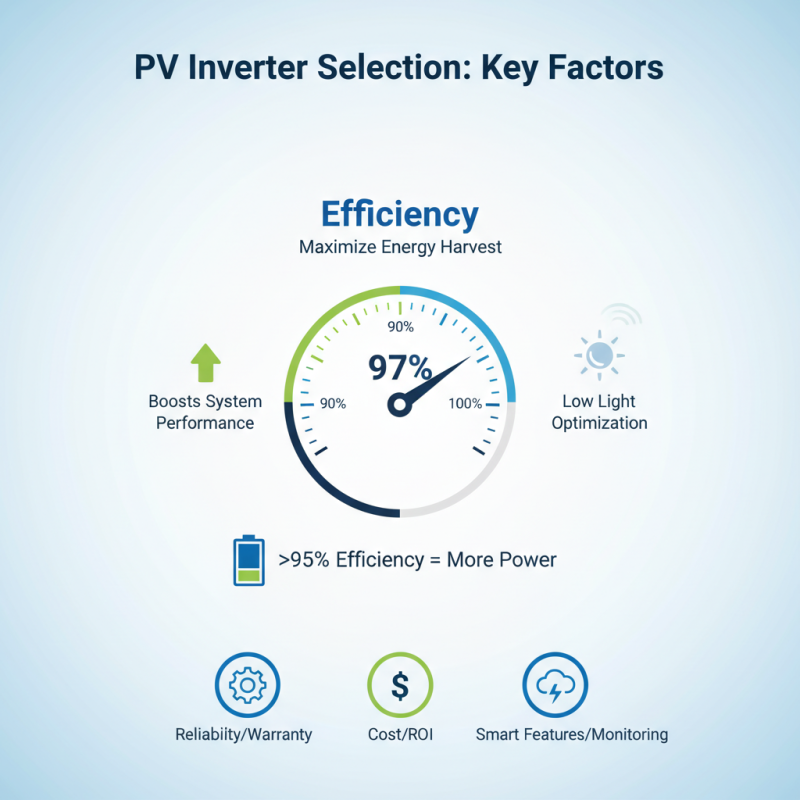
When selecting a PV inverter, various key factors influence your decision. Efficiency is one of the most crucial aspects. A high-efficiency inverter can significantly boost your solar system's performance. Reports suggest that inverters with efficiency ratings above 95% can maximize energy harvest, especially in limited sunlight conditions.
Another vital factor is the inverter's durability. Many inverters are rated for a lifespan of about 5 to 10 years. However, some studies indicate that installations may fail before reaching their expected lifespan due to harsh weather or improper mounting. It’s essential to consider the environmental conditions where the inverter will operate. Temperature fluctuations can impact performance, sometimes leading to inefficiencies or malfunctions.
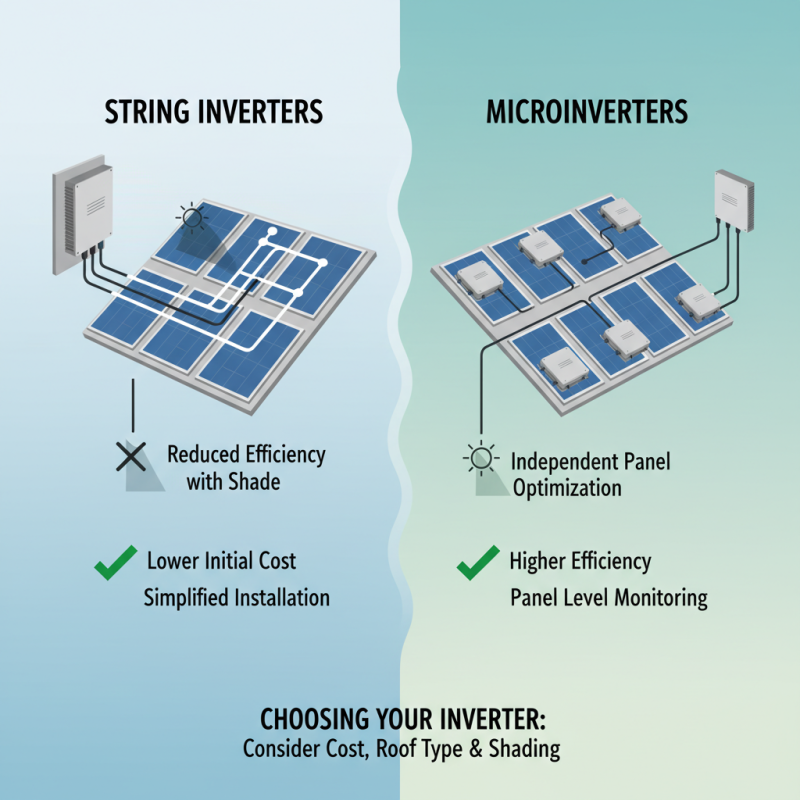
Moreover, the type of inverter matters—string vs. micro-inverters. Each has its advantages and disadvantages. String inverters tend to be more cost-effective in larger systems, while micro-inverters provide better performance in shaded environments. Your specific setup can determine which option would work best. Balancing cost, efficiency, and longevity is imperative for optimizing your solar investment. Evaluating all these factors can lead to a more informed and satisfactory choice.
Comparative Analysis of String Inverters vs. Microinverters
When choosing between string inverters and microinverters, there are several factors to consider. String inverters are typically more affordable. They can manage multiple solar panels in a single unit, making installation simpler. This can be attractive for homeowners with standard rooftops and minimal shading.
However, microinverters offer advantages that are hard to ignore. Each panel has its own microinverter, allowing for maximum energy harvest. In shaded areas, microinverters often perform better. This decentralized approach can capture more energy under varying conditions. On the flip side, installation can be more complex and time-consuming.
Proper maintenance is crucial for both systems. String inverters may require less attention, but a single failure can impact the whole array. Microinverters need regular checks on individual units. It’s essential to weigh initial costs against long-term benefits. What may seem right at first glance could lead to unexpected challenges. Understanding your specific needs is vital.
Efficiency Ratings and Their Impact on Energy Production
When choosing a PV inverter, efficiency ratings play a crucial role. Higher efficiency means more energy conversion from sunlight to usable electricity. Understanding these ratings helps make informed decisions. Inverters with efficiency ratings above 95% are generally preferred. They capture more solar energy and maximize production.
However, efficiency isn’t the only factor to consider. Environmental conditions, such as temperature and shading, impact performance. Some inverters may not perform well in high heat or partial shade. This mismatch could lead to lower energy production than expected. It’s important to weigh both efficiency and adaptability.
Selecting an inverter requires careful evaluation of efficiency ratings alongside other factors. Sometimes, inverters with high ratings can be pricier, raising questions about cost-effectiveness. It’s essential to reflect on how these choices align with your energy goals. Finding the best fit for your system often means balancing efficiency with budget and site conditions.
Efficiency Ratings of Different PV Inverter Types
Evaluating Manufacturer Warranty and Support for PV Inverters
When selecting a PV inverter, evaluating the manufacturer's warranty and support is crucial. A strong warranty offers peace of mind. This typically ranges from 5 to 10 years. Some leading industry reports suggest that around 30% of inverter failures happen within the first five years. A comprehensive warranty can save significant costs for repairs or replacements.
While warranty length is essential, it’s not the only factor. Look for what the warranty covers. Some manufacturers include parts and labor, while others do not. This can affect overall expenses if issues arise. Understanding these terms helps avoid surprises.
Consider customer support quality. Access to knowledgeable support can save time and frustration. Research indicates that nearly 40% of users report dissatisfaction with support services. Positive ratings from current users can indicate reliability. Check online reviews and forums to gather insights. This step often reveals hidden problems not seen in specifications. Your choice of inverter can impact system efficiency and lifespan. Making an informed decision is key.