Top Grid Tie Inverter Options for 2025 and Their Key Benefits
As the world transitions towards renewable energy, Grid Tie Inverters play a crucial role. According to Dr. Sarah Thompson, a leading expert in renewable energy systems, "The effectiveness of any solar installation heavily relies on a robust Grid Tie Inverter." These devices seamlessly connect solar panels to the electrical grid, allowing for efficient energy exchange and utilization.
Investing in the right Grid Tie Inverter can significantly impact energy savings and system performance. The advancements slated for 2025 promise improved efficiency and smarter technology. However, not all options are suitable for every installation. Many consumers struggle with understanding which features matter most.
Moreover, potential buyers must recognize that while technology is progressing, challenges remain. The market is flooded with choices, and not all installations deliver optimal results. Selecting the right Grid Tie Inverter requires careful consideration of specific needs and local regulations. Understanding these intricacies can be daunting but is essential for maximizing the benefits of solar energy.

Top Features to Look for in 2025 Grid Tie Inverters
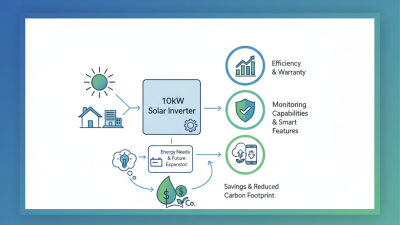
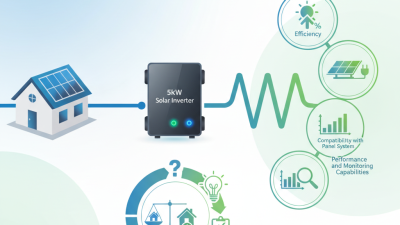
When choosing grid tie inverters for 2025, several features should be prioritized. One crucial aspect is efficiency. An inverter’s efficiency directly impacts solar energy conversion. Look for models with over 95% efficiency. This could lead to more energy savings. Monitoring capabilities are also essential. Many modern inverters provide real-time data on energy production. This information helps users optimize performance.
Another key feature is the inverter's scalability. As energy needs change, the inverter should adapt. Flexibility for adding more panels is beneficial. Moreover, compatibility with smart home systems is becoming increasingly vital. It enhances energy management in a modern household.
Of course, users might find certain promotional claims exaggerated. It’s essential to verify specifications through independent reviews. Sometimes, features touted as positive could add complexity without real benefits. Reflecting on these aspects ensures users make informed choices. Understanding both the advantages and potential drawbacks of various features is key to finding the ideal inverter for individual needs.
Comparative Analysis of Leading Grid Tie Inverter Brands
Grid tie inverters play a crucial role in modern solar energy systems. With a plethora of choices in the market, understanding the features helps consumers make informed decisions. Key benefits often revolve around efficiency, safety, and compatibility. Different brands tend to excel in various areas, which can make comparing them challenging.
Some inverters stand out with impressive warranties and user-friendly interfaces. Their efficiency ratings often reach above 95%. This guarantees more solar energy conversion into usable electricity. However, some may face difficulties integrating with existing home systems. Compatibility issues can lead to performance losses you might not anticipate.
Additionally, consider the design and size of the inverters. Some models are more compact and aesthetically pleasing while maintaining functionality. Yet, the appearance does not always equate to higher performance. Reviews can reveal hidden flaws. Understanding these nuances can ultimately enhance your investment in solar energy.
Top Grid Tie Inverter Options for 2025
Benefits of High-Efficiency Models for Homeowners
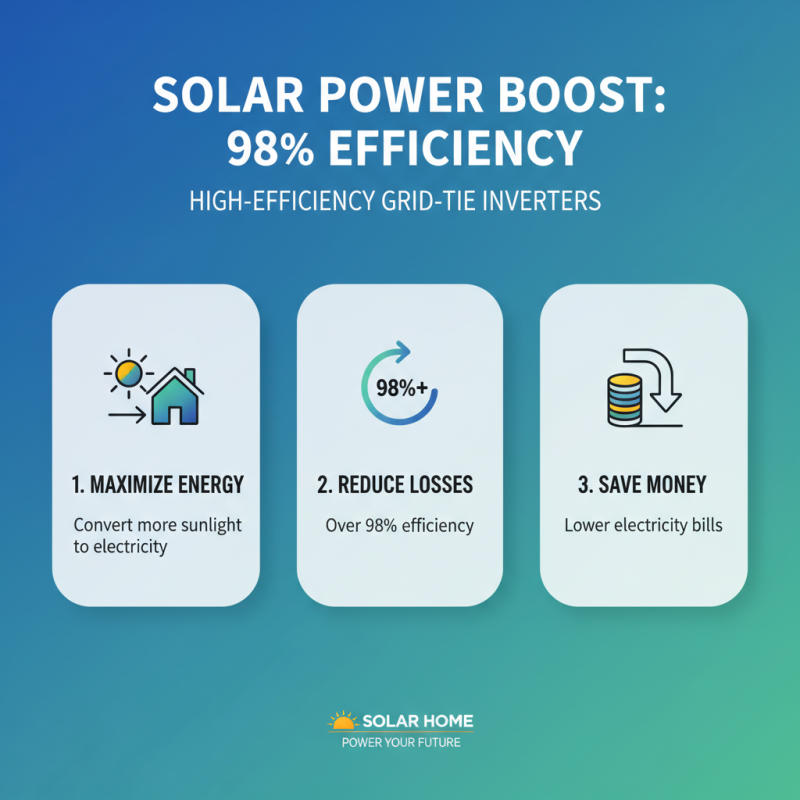
High-efficiency grid-tie inverters are gaining popularity among homeowners. They convert solar energy into usable electricity with minimal losses. Recent industry reports indicate that these models can reach efficiency ratings over 98%. This means more power from your solar panels, leading to reduced energy bills.
Investing in high-efficiency models offers tangible benefits. Homeowners can enjoy increased energy production during peak sunlight hours. These inverters often come with advanced features like real-time monitoring. This allows for better management of energy consumption. However, the initial cost can be higher than standard inverters. Some may question whether the savings justify this upfront investment.
Additionally, high-efficiency inverters typically have longer lifespans. They can reduce the need for replacements and maintenance. This might seem cost-effective in the long term. Yet, it also requires good upfront financial planning. Many people overlook this aspect, focusing solely on immediate savings. Understanding the balance between upfront costs and long-term benefits is crucial for homeowners. Awareness of energy consumption patterns is essential too.
Impact of Smart Technology on Grid Tie Inverter Performance
The integration of smart technology in grid tie inverters is transforming their efficiency and functionality. Recent reports show that utilizing smart features can increase overall inverter performance by up to 30%. These enhancements come from real-time monitoring and adaptive algorithms that optimize energy conversion based on changing conditions.
Smart grids allow for better communication between inverters and energy management systems. This means outages or inefficiencies can be addressed more quickly. The ability to analyze data helps users understand energy consumption patterns. Reports indicate that 70% of users with smart-enabled inverters reported improved energy savings.
However, challenges remain. Many consumers are still unaware of the full benefits of smart technology. Education and training on these systems are often lacking. Some older models may not support these advancements, leading to uneven performance across different installations. A significant gap exists in adapting the existing infrastructure to fully leverage smart technology.
Top Grid Tie Inverter Options for 2025 and Their Key Benefits
| Inverter Type |
Key Benefits |
Smart Technology Impact |
| Microinverter |
Optimized performance per panel, enhanced safety |
Real-time monitoring, improved fault detection |
| String Inverter |
Cost-effective, reliable performance |
Enhanced control and diagnostics through smart features |
| Central Inverter |
High efficiency for large installations |
Smart grid integration capabilities |
| Hybrid Inverter |
Versatile for solar plus storage systems |
Adaptive algorithms optimize energy usage |
| Power Optimizer |
Maximizes energy harvest, minimizes shading losses |
Enhanced data analytics and performance tracking |
Cost Comparison: Budget vs. Premium Grid Tie Inverters for 2025
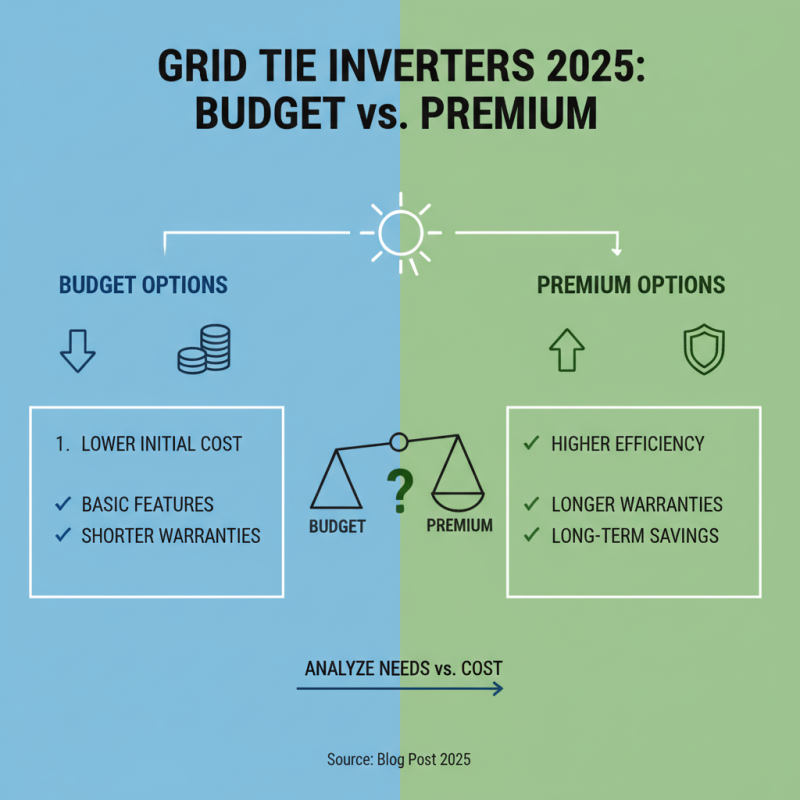
Choosing a grid tie inverter for 2025 involves analyzing both budget and premium options. Budget inverters often attract attention due to lower costs. However, they may lack advanced features. Premium inverters offer enhanced efficiency and longer warranties. They can save money in the long run.
When comparing costs, think beyond price tags. Budget inverters might need frequent replacements. This can lead to hidden costs over time. Premium options, while pricier upfront, may reduce maintenance costs. They often have superior technology, resulting in better energy capture.
Tip: Consider your energy needs first. Evaluate how much energy you generate and use. This helps in selecting the right inverter. Reflect on your long-term goals. Investing in quality can pay off significantly. Taking time to research can prevent future regrets. Look into the inverter's efficiency ratings. Higher efficiency leads to more energy production. This aspect can greatly influence your savings.