Top 10 Benefits of Using On Grid Solar Inverter for Your Home?
In the quest for sustainable living, many homeowners are turning to renewable energy solutions. One popular option is the On Grid Solar Inverter. This technology allows homeowners to harness solar power efficiently. It connects directly to the electrical grid, making it an attractive choice.
The On Grid Solar Inverter offers benefits that can transform energy consumption. For instance, it can significantly lower electricity bills. Homeowners can generate power during the day and draw energy from the grid at night. This creates a balanced energy system. Additionally, it offers the potential for energy credits through net metering.
However, there are challenges as well. The initial investment can be steep. Some people may find it difficult to understand the installation process. What if the local grid goes down? These concerns highlight the importance of research and planning. Embracing this technology requires careful thought, but the rewards can be substantial.
Advantages of On Grid Solar Inverters for Homeowners
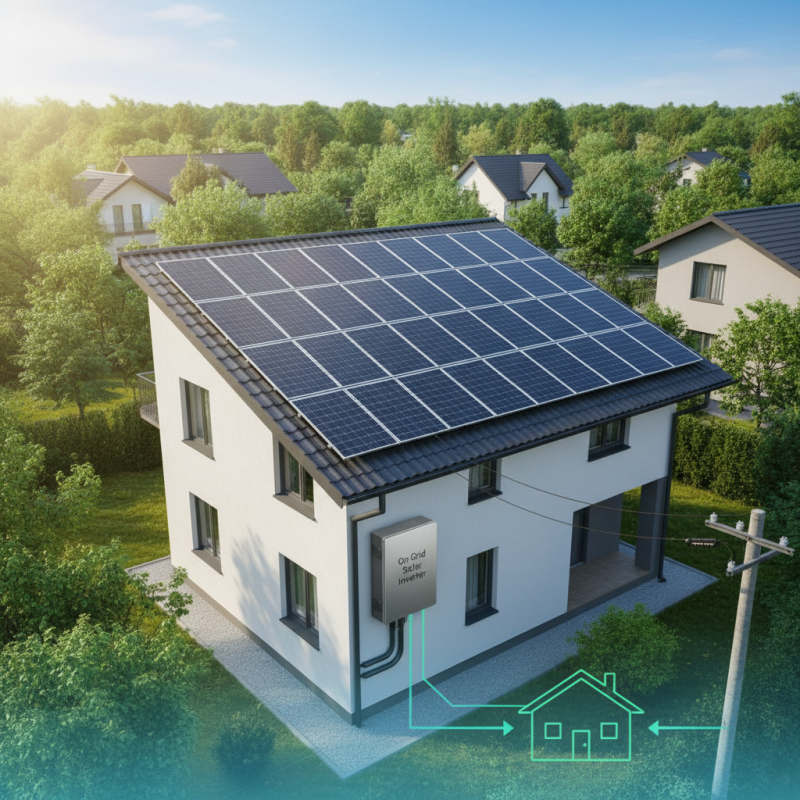
On-grid solar inverters offer numerous advantages for homeowners. They connect directly to the grid, allowing excess energy to be sold back. This can significantly reduce electricity bills, especially in sunny regions. Homeowners can enjoy instant savings once installed. The ability to feed energy back to the grid is both practical and rewarding.
Another benefit is the minimal maintenance required. With fewer components than off-grid systems, on-grid inverters are often more reliable. They have a longer lifespan with less wear and tear. However, not every household may reap the same benefits. Some might experience issues during power outages, as the system typically shuts down for safety.
Moreover, on-grid solar inverters promote green energy. By using renewable sources, homeowners contribute to environmental sustainability. Yet, this transition often leaves room for improvement. Many homeowners still hesitate due to initial costs or installation complexities. It's essential to weigh the pros and cons carefully before committing. Exploring local incentives could make this decision easier.
Cost Savings: How On Grid Solar Inverters Reduce Electricity Bills
On-grid solar inverters are transforming how homeowners manage electricity costs. They connect directly to the utility grid, allowing for a more efficient use of energy produced by solar panels. This connection means that homes can sell excess energy back to the grid. This not only reduces electricity bills but can also generate income over time.
For many households, electricity bills can be a significant monthly expense. By using on-grid solar inverters, families can significantly lower these costs. Imagine producing enough solar energy to cover most of your consumption. It’s a real possibility with efficient inverters. However, initial investment and installation can be daunting. It's crucial to weigh the long-term benefits against upfront costs.
Moreover, the efficiency of on-grid systems can fluctuate. Factors like location, weather, and equipment quality play a role. Sometimes the energy production may not meet expectations, especially on cloudy days. Therefore, it's important to consider all variables before making the shift. Balancing savings and potential challenges is key to a successful transition to solar energy.
Environmental Impact: Benefits of Renewable Energy for the Planet
Using on-grid solar inverters can significantly benefit the environment. These systems harness sunlight, a renewable and abundant energy source. This reduces dependence on fossil fuels. Consequently, greenhouse gas emissions decrease, helping to fight climate change. These inverters convert solar energy into electricity efficiently. It's an immediate way to lower your carbon footprint.
On the other hand, it's important to recognize some challenges. Solar energy generation depends on sunlight availability, which can vary. Additionally, the manufacturing process for solar panels has its own environmental impact. We must ask ourselves if the benefits outweigh these concerns. Engaging in renewable energy is a step forward, yet we should approach it critically.
The use of on-grid solar inverters promotes sustainable living. By reducing pollution and conserving resources, they support healthier ecosystems. Yet, we must remain vigilant about the industry's growth. Proper recycling and sustainable practices are essential. Are we doing enough to promote a truly green future?
Top 10 Benefits of Using On Grid Solar Inverter for Your Home
Enhanced Energy Efficiency: Maximizing Solar Energy Usage at Home
Using an on-grid solar inverter can significantly enhance energy efficiency in a home. With these systems, homeowners can maximize their use of solar energy effectively. This technology converts the solar power generated by panels into usable electricity. Hence, it decreases reliance on the grid. You save money. You reduce your carbon footprint, too.
Maximizing solar energy usage starts with understanding how much power you need daily. This may require careful planning. Do you know your household consumption? It's crucial to track your energy usage patterns. Small changes can yield big rewards. Simple actions, like adjusting your thermostat, can optimize energy consumption.
Despite these benefits, challenges may arise. Nighttime energy needs remain a concern. On-grid systems rely on the grid when the sun isn’t shining. Homeowners shouldn't overlook the need for backup. This highlights a critical aspect—planning is key. Addressing these gaps can lead to a more sustainable approach. Investing in an on-grid solar inverter can yield long-term benefits, but understanding limitations is essential.
Easy Installation and Integration with Existing Electrical Systems
Installing an on-grid solar inverter for your home is a smart decision. One major advantage is the ease of installation. Most systems can seamlessly integrate with your existing electrical setup. With minimal modifications, your home can start harnessing solar energy quickly.
According to industry reports, nearly 75% of solar installations are completed in under a day. This quick turnaround allows homeowners to benefit from solar savings sooner. Less installation time also means lower labor costs. Homeowners often appreciate the simplicity of connecting the inverter to their electrical system.
Tips: Ensure your electrical system can handle the inverter's capacity. A simple assessment by a professional can save time. Familiarize yourself with local regulations regarding solar installation. Not having the right permits can delay your project.
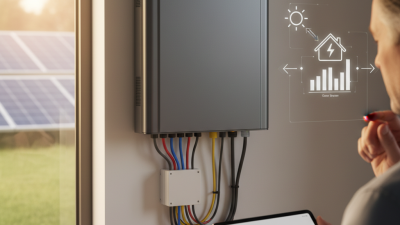
Integration is not just about technical aspects. The inverter’s design allows homeowners to monitor energy production easily. Some models feature user-friendly apps. These apps provide real-time data on energy use. The accessibility of this information enhances user engagement with solar energy systems.