Top 10 51.2V 100Ah Batteries for Global Buyers?
In the world of energy storage, the popularity of the 51.2V 100Ah battery has surged among global buyers. This powerful battery type offers an effective solution for diverse applications, from solar energy systems to electric vehicles. Many users appreciate its reliable performance and long lifespan. However, not all batteries are created equal.
When selecting a 51.2V 100Ah battery, quality and reputation matter. Numerous brands claim to deliver exceptional results, but determining which ones truly excel requires investigation. Buyers must consider factors like safety ratings, discharge rates, and customer reviews. Trustworthy suppliers often showcase certifications that denote high manufacturing standards.
While many brands may appear suitable, some choices might lead to disappointment. It’s essential to read real-life testimonials. Many buyers have faced issues with performance inconsistencies. Reflecting on these experiences can guide future decisions. Ultimately, choosing a reliable 51.2V 100Ah battery is crucial for maximizing energy efficiency and ensuring peace of mind.
Top 10 Factors to Consider When Choosing 51.2V 100Ah Batteries
When choosing a 51.2V 100Ah battery, several factors can significantly impact your decision. Assess the battery's chemistry, as lithium-ion batteries are often more efficient and longer-lasting than traditional lead-acid options. Pay attention to the depth of discharge (DoD). A higher DoD allows for more usable energy, which can be crucial for extended usage.
Consider the battery management system (BMS). A reliable BMS ensures safety and longevity by balancing the charge across cells. Evaluate the thermal management technology as well. Efficient cooling systems can enhance performance and prevent overheating, especially during heavy use. Check the battery's cycle life and warranty conditions for a clear picture of its durability and longevity.
Lastly, think about the weight and form factor. Some installations may be space-constrained, making a compact design essential. Deliberate over the cost versus performance ratio. While higher-priced options may offer advanced features, they may not always provide the best value for your needs. These considerations can help refine your selection, yet the perfect battery might still require adjustments or compromise.
Performance Metrics of 51.2V 100Ah Batteries: Capacity and Discharge Rates
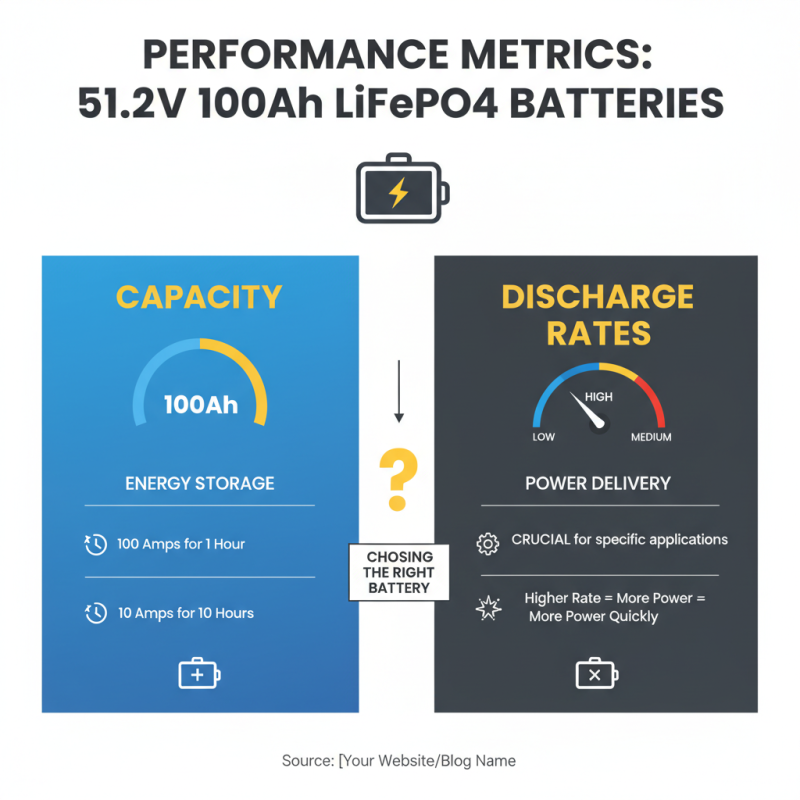
When examining the performance metrics of 51.2V 100Ah batteries, capacity and discharge rates play crucial roles. The capacity measures how much energy a battery can store. For a 100Ah battery, this indicates it can deliver 100 amps for one hour, or 10 amps for ten hours. A deeper understanding of this metric is vital for anyone choosing a battery for specific applications.
Discharge rates reflect how quickly a battery can release energy. A higher rate benefits applications demanding bursts of power. However, it often means the battery drains faster. This balance is essential for users. If a battery discharges too rapidly, it risks leaving users without power when needed most. Observing how different batteries perform under load is key.
In addition, efficiency varies significantly among models. Some may achieve higher percentages, but real-world applications often reveal inconsistencies. Users should consider what that means for long-term usage. Longevity is directly connected to how these batteries manage discharge cycles. Awareness of these factors enhances decision-making for potential buyers.
Comparative Analysis of Battery Lifespan Across Leading Brands
When considering the lifespan of 51.2V 100Ah batteries, several factors come into play. Industry reports indicate that the average lifespan of lithium-ion batteries is around 2,000 to 5,000 cycles. However, how manufacturers define "cycle" can vary. For instance, some may measure a cycle as a full discharge and recharge, while others may use partial discharges. This discrepancy can lead to confusion for buyers.
In terms of capacity retention, reputable studies highlight that a battery's lifespan significantly decreases if it is frequently charged to 100% or discharged to 0%. An ideal practice is to keep the charge between 20% and 80%. This can extend the usable life by up to 30%. Additionally, factors like temperature and usage patterns play crucial roles. Extremes in temperature can shorten battery life. High temperatures can accelerate degradation, while very low temperatures can reduce performance.
Reports suggest that not all brands meet the same standards in longevity. For example, some brands promote their batteries as having a higher cycle count. Yet, real-world performance often falls short of these claims. Thus, potential buyers should conduct thorough research. Assessing third-party reviews and technical specifications can help identify reliable products.
Cost-Effectiveness: Evaluating Price versus Performance in 51.2V Batteries
When considering 51.2V batteries, evaluating cost-effectiveness is crucial. Price often reflects performance, but this isn't always straightforward. Factors like capacity, discharge rates, and warranty terms can vary widely. A low upfront cost may lead to higher replacement expenses later. On the other hand, higher-priced batteries may offer longevity and reliability that cheaper options do not.
Pay attention to the specifications. A battery with a robust cycle life typically justifies a higher price tag. However, it's essential to analyze user reviews and expert opinions. Many top suppliers offer products that look great on paper but fall short in real-world use. Performance under different temperature ranges is often overlooked. Batteries can degrade faster in extreme conditions, impacting cost-effectiveness.
Real-world testing is key, revealing inconsistencies in battery performance. Compact designs may save space, but this could compromise capacity. Evaluate how often you'll need to recharge. Frequent charging could lead to increased wear and reduced lifespan. Thus, it is essential to balance initial costs and long-term value. Understanding these details helps buyers make informed decisions.
Global Regulations and Standards Affecting 51.2V Battery Manufacturing
The 51.2V 100Ah battery market is influenced by varying global regulations and standards. Understanding these requirements is crucial for manufacturers and consumers alike. Compliance with safety standards ensures the reliability and performance of batteries. For instance, countries may have specific certifications related to battery transport and disposal. Adhering to these standards can enhance product credibility and market reach.
Tips: Always check if a battery meets local regulations. This prevents issues during use and disposal. Keeping updated on regulations is key. Standards can change, and staying informed is essential for manufacturers.
Manufacturers face challenges in navigating these complex regulations. Differences in region-specific guidelines can lead to confusion. A commitment to quality assurance can mitigate risks. In some cases, strict regulations may limit innovation, prompting a reevaluation of design approaches. Balancing compliance and innovation is critical for progress in the battery industry.
Tips: Regular audits of manufacturing practices can help maintain compliance. Engage with regulatory bodies for clarity on requirements. Collaboration fosters understanding and can streamline the compliance process.