Suness Lithium Battery Tips for Optimal Performance and Longevity?
In today's fast-paced world, optimizing the performance of batteries is crucial. The Suness Lithium Battery stands out for its efficiency and longevity. Understanding how to care for these batteries can enhance their lifespan and performance significantly.
Many users overlook essential tips for maintenance. Simple actions like proper charging and storage can make a difference. Factors such as temperature and humidity also play a vital role. Neglecting these can lead to subpar performance.
Ensuring the Suness Lithium Battery operates at its best requires awareness and diligence. Regular monitoring and following best practices can prevent avoidable issues. Users must stay informed and attentive to maximize their investment in this technology. Balancing usage and care is key to achieving optimal results.
Understanding Suness Lithium Batteries: Basics and Benefits
Lithium batteries have become essential in modern energy solutions. Their lightweight design and high energy density make them popular for various applications. Understanding how they work can enhance their performance. These batteries store energy through chemical reactions involving lithium ions. As these ions move between the anode and cathode, they generate electricity. This process is efficient, but it can also lead to wear over time.
Benefits of using lithium batteries include longer life cycles and faster charging times. They can last for about 2,000 charge cycles, significantly more than traditional batteries. However, users often overlook proper maintenance. Extreme temperatures can degrade performance. Keeping the battery within a suitable temperature range is crucial.
Moreover, discharging the battery too much may cause irreversible damage. Aim to maintain a charge level between 20% and 80%. Awareness of these factors can prevent early battery failure. Many overlook these details, leading to frustration. Being attentive can make a difference in maximizing battery lifespan.
Suness Lithium Battery Tips for Optimal Performance and Longevity
| Aspect |
Detail |
| Battery Type |
Lithium-ion |
| Typical Voltage |
3.7V |
| Cycle Life |
500-2000 cycles |
| Optimal Charge Temperature |
0°C to 45°C |
| Discharge Temperature Range |
-20°C to 60°C |
| Storage Recommendations |
Store at 40% charge in a cool, dry place |
| Charging Techniques |
Use a compatible charger and avoid overcharging |
| Common Applications |
Electronics, Electric Vehicles, Solar Energy Systems |
Best Practices for Charging Suness Lithium Batteries Efficiently
When charging lithium batteries, efficiency is key. Research indicates that charging a lithium battery to 80% instead of 100% can extend its lifespan significantly. A paper published in the Journal of Energy Storage highlighted that this practice can improve longevity by up to 30%. This recommendation might seem minor, but it can make a substantial difference in the long run.
Another significant factor is the charging rate. Many users often overlook this aspect. Studies show that rapid charging can lead to increased thermal stress. Keeping the charging current moderate, ideally around 0.5C, promotes a healthier battery life. Avoiding extreme temperatures is also crucial, as both high heat and extreme cold can diminish performance. Remember, optimal performance isn't solely about speed; it's also about maintaining battery integrity.
Finally, monitoring charge cycles is essential. Each cycle wears down the battery slightly. Research indicates that limiting full cycles can maintain battery health better. Yet, users may find it hard to break their habits. They might regularly charge fully, thinking it provides more usage time. In reality, this could shorten their battery's overall longevity. Recognizing these nuances fosters better practice and understanding of lithium battery maintenance.
Storage Guidelines for Suness Lithium Batteries to Enhance Life Span
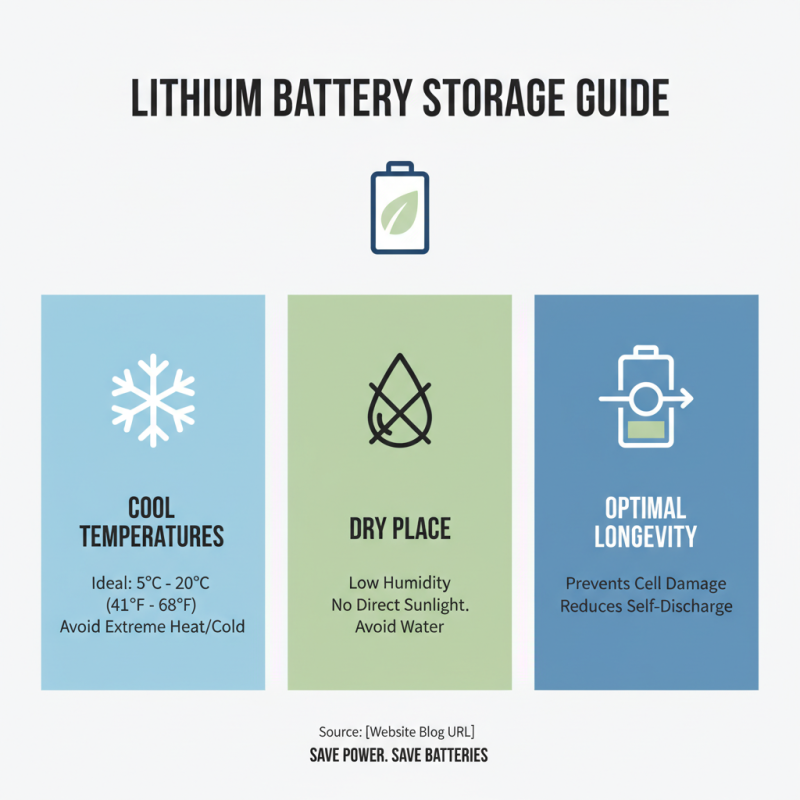
When it comes to storing lithium batteries, proper care can make a big difference. Temperature plays a crucial role. Keep them in a cool, dry place. Avoid areas with high humidity or direct sunlight. Extreme temperatures can damage battery cells and reduce their lifespan.
Consider this: recharge the batteries to about 40% before long-term storage. This charge level helps maintain optimal health. Also, check battery voltage regularly. If it drops too low, recharge it. Neglecting this can lead to irreversible damage. Batteries are not maintenance-free, despite what some might think.
Monitor the environment too. A stable temperature will promote better battery performance. Try using breathable covers to avoid dust accumulation. Just remember, even small factors can significantly impact how long they last. Keeping track of these elements requires effort, but it pays off in reliability. Be thoughtful in your approach, and you’ll see better results.
Maintenance Tips for Sustaining Optimal Performance of Suness Batteries
Proper maintenance is crucial for maximizing battery performance and longevity. Regularly check battery connections and ensure they are clean. Corroded terminals can reduce efficiency. Additionally, monitor the battery’s charge levels. Frequent undercharging can lead to irreversible damage. Avoid letting the battery fully discharge, as this may shorten its lifespan.
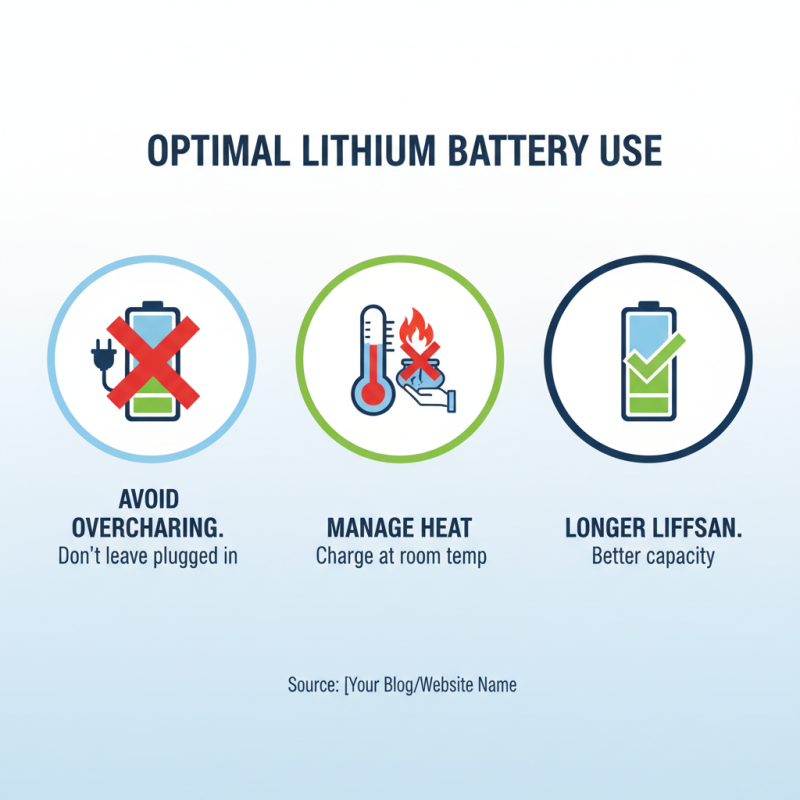
Temperature impacts battery health significantly. Store and operate batteries in moderate conditions. Extreme heat or cold can affect performance negatively. It’s also essential to use the correct charger. Using an incompatible charger can lead to overcharging or overheating. Always follow charging guidelines for optimal results.
Lastly, periodic inspections are vital. Look for signs of wear or swelling. A swollen battery is a red flag. Responding to such issues proactively can prevent more severe problems. Reflect on your usage habits as well. Sometimes, we take batteries for granted, leading to potential issues. Make small adjustments to improve overall performance.
Suness Lithium Battery Performance and Maintenance Data