10 Essential Tips for Maximizing Your 10kW Lithium Battery Efficiency
As the demand for sustainable energy solutions continues to rise, the 10kW Lithium Battery has emerged as a pivotal component in various applications, including residential solar energy systems and electric vehicles. According to a recent report by the International Energy Agency (IEA), the global market for lithium-ion batteries is projected to reach $100 billion by 2030, driven primarily by advancements in energy efficiency and storage technologies. The efficient utilization of a 10kW Lithium Battery not only enhances performance but also significantly reduces energy costs for users.
Renowned energy storage expert Dr. Emily Chen states, “Maximizing the efficiency of a 10kW Lithium Battery is essential for achieving both economic and environmental goals.” To accomplish this, one must consider a range of factors that influence battery performance, including temperature management, charge cycles, and discharge rates. Implementing strategic techniques can lead to substantial improvements in longevity and overall effectiveness, which will ultimately contribute to a more sustainable future.
In this guide, we will explore ten essential tips for maximizing the efficiency of your 10kW Lithium Battery, empowering users to leverage their investments effectively while aiding the transition toward renewable energy adoption.

Understanding Lithium Battery Basics for Optimal Efficiency
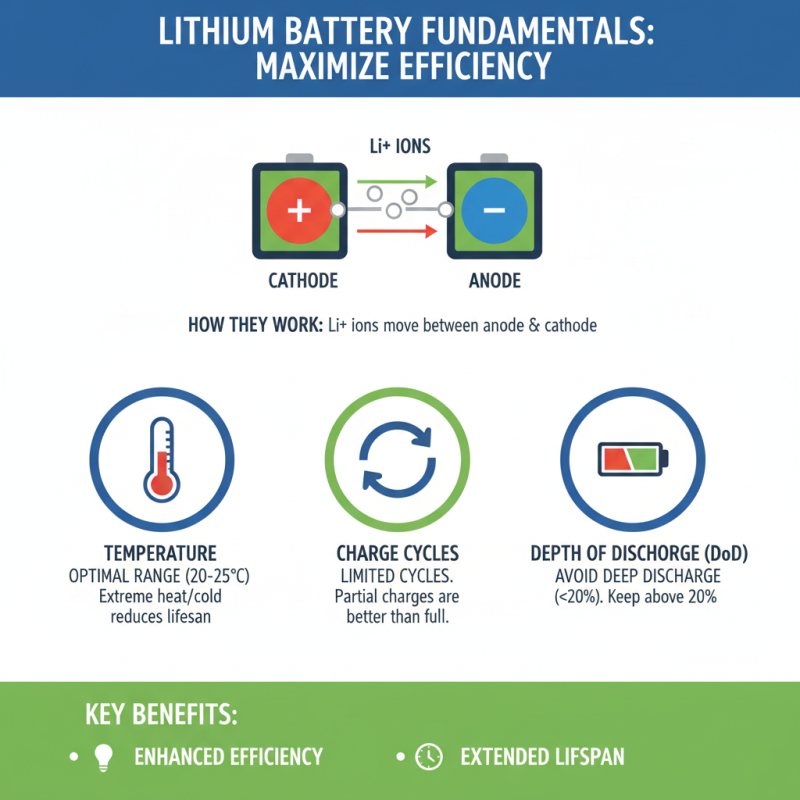
Understanding the fundamentals of lithium batteries is crucial for maximizing their efficiency. Lithium batteries operate through the movement of lithium ions between the anode and cathode during charge and discharge cycles. Key factors such as temperature, charge cycles, and depth of discharge significantly influence the battery's performance and lifespan. By ensuring your battery operates within optimal temperature limits and avoiding deep discharge, you not only enhance efficiency but also extend the battery’s longevity.
One essential tip for maximizing your lithium battery efficiency is to maintain a moderate state of charge. Lithium batteries perform best when charged between 20% to 80%. Staying within this range helps reduce stress on the battery and can significantly increase its overall life cycle. Additionally, managing the charging speed—by connecting your battery to a charger that matches its specifications—can protect it from overheating, which is detrimental to efficiency.
Another important aspect is to minimize the battery's exposure to extreme temperatures. Heat can accelerate degradation, while cold can hinder performance. To mitigate these risks, store your lithium battery in a climate-controlled environment when possible. Furthermore, regularly checking the battery’s health and using a battery management system can optimize performance and provide insights into how to maintain efficiency over time.
Factors Affecting the Performance of a 10kW Lithium Battery
Several factors significantly influence the performance of a 10kW lithium battery, impacting its efficiency, lifespan, and overall effectiveness.
Temperature is one of the most critical variables; lithium batteries perform optimally within a specific temperature range.
Extreme heat can lead to degradation of battery components, while excessive cold can diminish efficiency.
It's essential to monitor and maintain an appropriate ambient temperature to maximize performance.
Another key factor is the depth of discharge (DoD). A consistent DoD of around 80% is generally recommended for optimal battery health and lifespan.
Frequently allowing the battery to discharge completely places unnecessary stress on the cells.
To enhance efficiency, utilizing smart charging systems that avoid deep discharges will help extend the life of the battery and maintain its performance over time.
Regular maintenance and proper charging practices also play a vital role in efficiency. For instance,
avoiding overcharging and utilizing a balanced charging routine can help ensure that all cells within the battery pack receive equal treatment.
Additionally, implementing energy management systems can optimize power usage, providing a more efficient overall energy strategy.
By considering these factors, you can significantly boost the efficiency of your 10kW lithium battery.
Best Practices for Charging and Discharging Lithium Batteries
When it comes to optimizing the performance of your 10kW lithium battery, understanding the intricacies of charging and discharging is vital. Effective charging practices can significantly enhance battery life and efficiency. One essential tip is to avoid frequent complete discharges; instead, aim to keep the battery charge between 20% and 80%. This practice helps in reducing stress on the battery, thereby prolonging its lifespan.
Additionally, charge your battery at a moderate rate; fast charging can generate excessive heat, which negatively impacts performance.
Discharging lithium batteries requires equal attention. A key best practice is to monitor your energy consumption carefully. Using a battery management system can help track how much power you’re using and remaining, making it easier to avoid deep discharges. Another tip is to eliminate unnecessary loads while discharging; minimizing the devices connected can lead to more efficient energy use and longer-lasting power. By following these best practices in charging and discharging, you can ensure your lithium battery operates at peak efficiency.
Maintaining Proper Temperature for Enhanced Battery Longevity
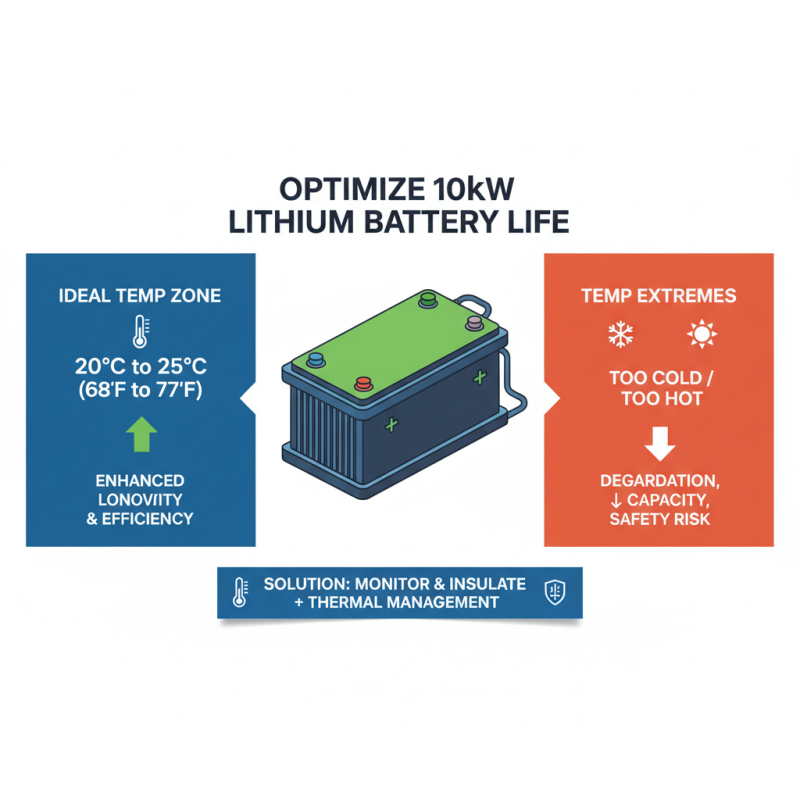
Maintaining the proper temperature is crucial for enhancing the longevity and efficiency of your 10kW lithium battery. Lithium batteries perform best within a specific temperature range, typically between 20°C and 25°C (68°F and 77°F). Operating outside of this range can lead to accelerated degradation, reduced capacity, and even safety hazards. It is essential to monitor the temperature closely, especially in extreme environments, and to implement measures that mitigate heat or cold exposure. Using insulation and thermal management systems can help maintain an optimal operating temperature, ultimately prolonging the battery's lifespan.
In addition, charging and discharging your lithium battery at appropriate temperatures can significantly impact its health. High temperatures during charging can cause lithium plating, which diminishes capacity and increases the risk of failure. Conversely, low temperatures can lead to decreased performance and sluggish reactions within the battery cells. Implementing temperature control strategies, such as adjusting charging rates based on ambient conditions or employing battery management systems, can further safeguard your battery's efficiency. By prioritizing thermal management, users can ensure that their 10kW lithium batteries operate at peak performance for an extended period, making the most of their investment.
Regular Monitoring and Maintenance Strategies for Maximum Efficiency
Regular monitoring and maintenance are critical for ensuring maximum efficiency from your 10kW lithium battery system. According to recent industry reports, lithium-ion batteries can experience a reduction in efficiency by about 20% due to improper maintenance practices, which can result in significant cost implications over time. To combat this, implementing a comprehensive monitoring plan that includes temperature control, charge cycles, and voltage maintenance can help users optimize their battery's performance. For instance, maintaining optimal operating temperatures within the recommended range of 15°C to 25°C can enhance battery life by up to 30%.
In addition to temperature management, regular inspection of battery connections and the use of a battery management system (BMS) can provide real-time data on overall health and efficiency. Data from the International Energy Agency indicates that proper BMS usage can increase system reliability by over 15% and prevent common issues such as overcharging, which can drastically reduce battery lifespan. Routine checks on the battery condition, such as monitoring for swelling or signs of wear, are also vital. By establishing a maintenance schedule and adhering to best practices, users can not only prolong the lifespan of their battery systems but can also ensure that they are functioning at peak efficiency, thus maximizing their return on investment.