How to Choose the Best 3 Phase Hybrid Inverter?
Choosing the right 3 Phase Hybrid Inverter can determine how smoothly a solar energy system performs every day. It affects power quality, battery charging, backup protection, and future expansion. A good choice must match the property, not merely the panel capacity.
This guide examines practical factors that buyers and installers should check before purchase. These include phase balance, continuous output, surge capacity, battery voltage, MPPT range, and conversion efficiency. A home with heat pumps, pumps, or workshop machinery needs stronger surge handling. A small commercial site may need stable three-phase output during grid interruptions. Look closely at the data sheet. Marketing language can hide important limits.
Battery compatibility also deserves careful attention. Some inverters support only selected lithium battery systems or communication protocols. Others require extra equipment for backup circuits. Check whether the inverter can manage uneven household loads across phases. That detail matters when one phase powers a refrigerator and another runs a water pump.
Safety and reliability should guide the final decision. Review recognized certifications, protection functions, warranty terms, monitoring quality, and local service availability. An experienced installer can verify cable sizing, ventilation, earthing, and commissioning requirements. Do not rely on price alone.
There is no perfect inverter.
Even careful planning has uncertainty. Future electricity use may change, and battery performance can decline over time. The best 3 Phase Hybrid Inverter balances present needs, expected growth, installation conditions, and dependable technical support.
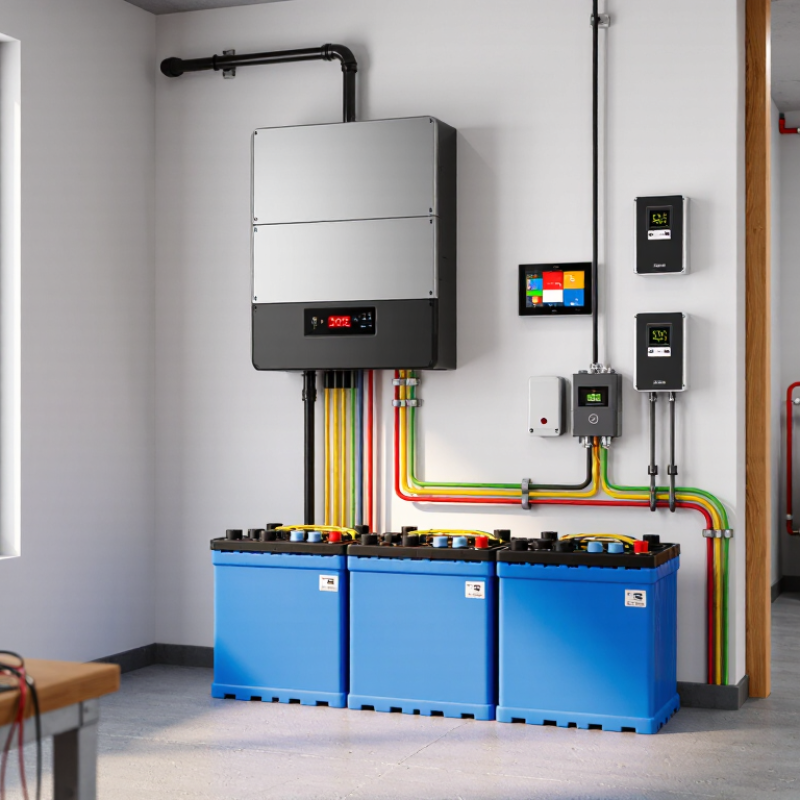
Understanding Three-Phase Hybrid Inverter Functions and Applications
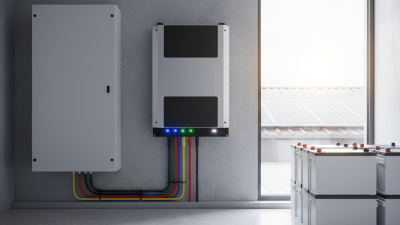
A three-phase hybrid inverter manages power across three electrical phases. It can combine solar generation, battery storage, grid electricity, and backup loads. The main value is controlled energy flow.
During sunny hours, solar power may supply appliances and charge the battery. Excess energy can support selected loads later. When the grid fails, the inverter can isolate backup circuits and maintain power for refrigerators, pumps, or network equipment. However, backup capacity depends on battery size and the inverter’s surge rating.
Choosing the right unit starts with the site’s load profile. Record the starting current of motors, heating equipment, and workshop tools. Check whether the inverter balances power between phases or limits each phase separately. A large model is not automatically safer. Oversizing can increase cost and leave the system operating inefficiently under light loads.
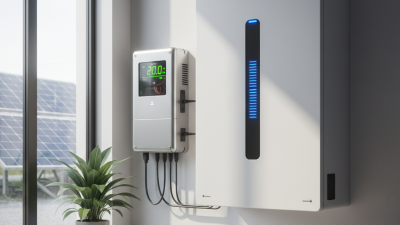
Battery voltage, usable capacity, charging speed, and temperature limits also matter. Confirm compatibility before installation. Review protection functions, monitoring accuracy, communication options, and local certification requirements. A qualified electrician should verify cable sizing, grounding, phase sequence, and isolation equipment. Small wiring mistakes can create serious faults.
Three-phase hybrid inverters suit larger homes, farms, workshops, and small commercial buildings. They are especially useful where several high-power appliances operate together. In practice, real consumption often differs from the owner’s estimate. I would recheck the load data after a month of operation. That extra measurement can reveal phase imbalance, unexpected nighttime demand, or a battery that is simply too small.
Assessing Your Energy Needs, Load Profile, and System Capacity
How to Choose the Best 3 Phase Hybrid Inverter?
Choosing a three-phase hybrid inverter starts with your actual energy needs, not the largest available rating. Review at least twelve months of electricity bills. Record daily consumption, seasonal changes, and the highest demand periods. A home using 18 kWh daily may still need more capacity when pumps, ovens, and air conditioners operate together. Peak load matters more than average use. Carefully list each major appliance and its starting surge.
Your load profile should show when energy is consumed. Does demand rise at night, when solar production falls? Do three phases carry similar loads? Uneven phase loading can reduce system performance and create installation problems. Measure, do not guess. Smart meter data helps, but short monitoring periods may miss unusual weather or occasional equipment use. Your first estimate may be wrong. Recheck it.
System capacity must match the inverter, battery, solar array, and expected future loads. A suitable inverter should handle continuous power and short motor-starting surges. Its solar input must also accept the array’s voltage and current under local temperature conditions. Battery capacity depends on the required backup hours, usable depth of discharge, and reserve power. Leave practical headroom for expansion. An electrical professional should verify phase balance, protection devices, cable sizing, and applicable installation standards. A neat calculation can still fail if real household behavior changes.
Comparing Key Inverter Specifications, Features, and Compatibility
Choosing the best three-phase hybrid inverter requires more than comparing efficiency percentages. The real decision comes from matching specifications, features, and system compatibility. Check the continuous power rating, peak output, battery voltage range, and maximum charging current. A home with induction cooking and a heat pump may need stronger surge handling than its daily energy use suggests. Do not judge efficiency alone. Small standby losses can matter overnight.
Look closely at the MPPT voltage range and the number of independent tracking channels. Different roof directions may need separate inputs. Confirm whether the inverter supports the battery chemistry, communication protocol, and usable voltage range. Some systems appear compatible but cannot exchange accurate charging data. That creates poor performance. I have seen installations where a technically suitable battery charged slowly because the communication settings were overlooked. The specification sheet was correct, but the final setup was not.
Grid compatibility also deserves careful checking. Review phase balancing, export control, backup output, transfer time, and local electrical requirements. A backup circuit should clearly define which loads remain powered during an outage. Refrigerators and pumps can start suddenly. Monitoring software, fault records, and remote updates improve maintenance, but they should not replace physical inspections. Check enclosure protection for the installation location, cable terminals, cooling space, and warranty conditions. Some promises sound impressive until service response is tested. Leave room for doubt, and verify every critical number with the installer and the latest technical documentation.
Selecting a Reliable Brand, Warranty, Support, and Total Cost of Ownership
How to Choose the Best 3 Phase Hybrid Inverter?
A reliable inverter begins with a transparent manufacturer, not a glossy brochure. The IEA PVPS Trends 2024 report estimates 456 GW of new solar capacity in 2023. SolarPower Europe reported 447 GW, showing how methodologies can differ. That scale makes after-sales reliability more important. Check warranty length, covered components, labor exclusions, and whether battery failures void protection. A ten-year warranty sounds strong. Read the exclusions.
Support should be measurable. Ask for regional technicians, spare-parts availability, firmware procedures, and a documented response-time target. During installation, small details matter: clear terminal labels, accessible fan filters, and remote fault records can reduce costly visits. Support quality often appears after commissioning, not during the sales meeting. Request service examples or anonymized response data. Promises are not evidence.
Total cost of ownership includes purchase price, installation, monitoring, maintenance, downtime, battery compatibility, and eventual replacement. Compare efficiency under partial loads, standby consumption, and warranty-extension fees. Fraunhofer ISE’s Photovoltaics Report 2024 emphasizes that system performance depends on operating conditions and balance-of-system choices, not module ratings alone. A cheaper inverter may create higher costs through unavailable parts or repeated callouts. My own caution is simple: projections are never perfect. Leave room for tariff changes, battery degradation, and uncertain repair costs. Judge the full ten-year journey, not the first invoice.