How to Choose the Right Solis Inverter for Your Solar System?
Choosing the right Solis Inverter for your solar system can be daunting. This device is crucial for converting solar energy into usable power. A poor choice may lead to inefficiency.
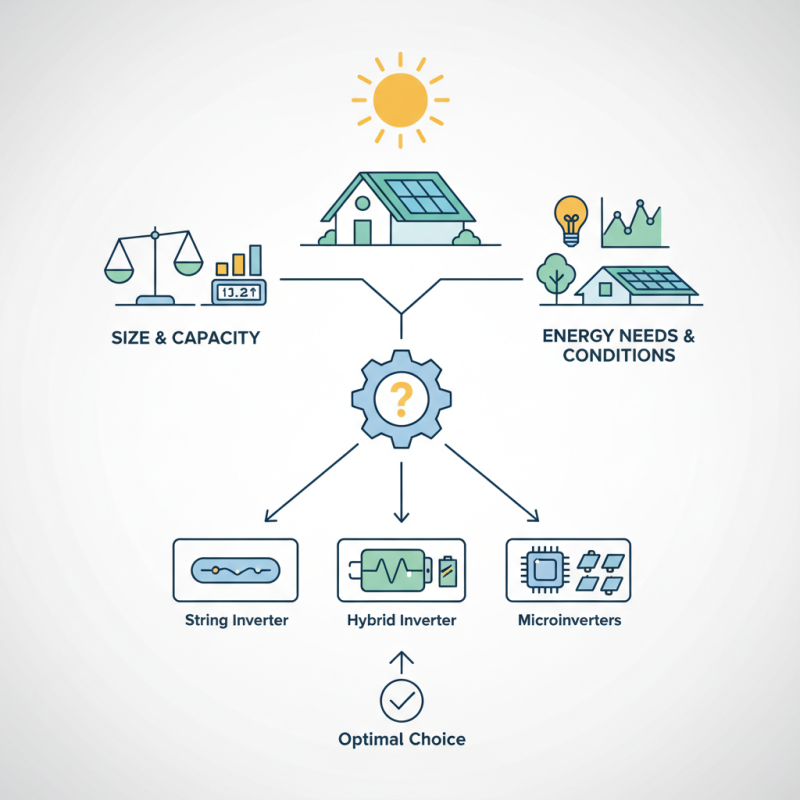
Consider the size and capacity of your solar setup. The Solis Inverter must match your solar panel output. Too small of an inverter may not handle peak energy production. On the flip side, a unit that's too large is an unnecessary expense.
Evaluate your energy needs carefully. Think about your home's consumption to select an appropriate model. String inverters can be simple, yet they have limitations. If you have shade issues or varied roof angles, consider more advanced options like hybrid inverters. Each choice has its benefits and drawbacks. Reflecting on these factors will help you choose wisely.
Understanding the Basics of Solis Inverters and Their Functions
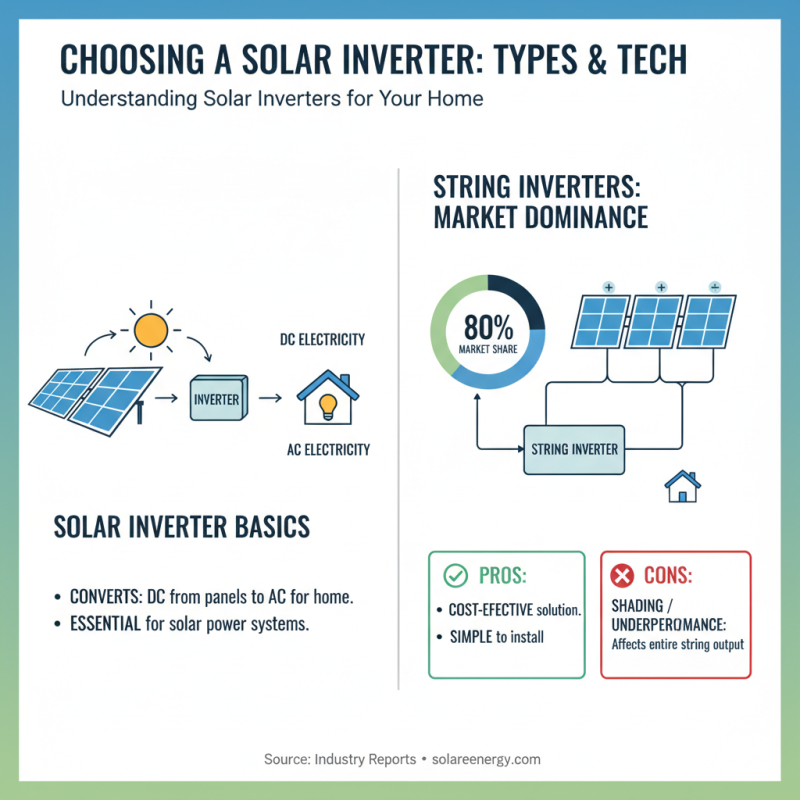
When selecting an inverter for solar systems, understanding the basics is crucial. Solis inverters convert direct current (DC) from solar panels into alternating current (AC) for home use. This process is essential for the functionality of any solar installation. In fact, the inverter typically accounts for about 25% of the overall system cost, according to industry reports.
Efficiency is a key factor. Most high-quality inverters exceed 95% efficiency. However, not all inverters perform equally under various conditions. Some may struggle in partial shaded areas or extreme heat. A study indicates that up to 20% of a solar system's energy can be lost if the inverter isn't optimized for local weather patterns. Therefore, the right choice must consider this potential energy loss.
Features such as monitoring capabilities and grid compatibility also matter. Advanced inverters offer real-time performance tracking, helping users identify any inefficiencies quickly. Yet, user feedback shows that complexity can sometimes hinder effective monitoring. A balance between user-friendly interfaces and advanced features is vital. Choosing the right inverter can significantly impact energy savings and overall system reliability.
Evaluating Your Solar System's Power Requirements and Compatibility
When choosing the right inverter for your solar system, evaluating your power needs is essential. Consider your household's energy consumption. According to the National Renewable Energy Laboratory, the average U.S. home uses about 877 kWh per month. This translates to an average daily usage of approximately 29 kWh. Understanding these figures can significantly influence your inverter choice.
The inverter capacity must match your solar system's output. A mismatched inverter can result in inefficiencies. For instance, if your solar panels produce more energy than your inverter can handle, you may not harness full potential. Aim for an inverter that can handle at least 20% more than your peak energy requirements. This margin accounts for variables like shading and temperature, which can affect performance.
Tips: Monitor your electric usage over several months. This practice helps refine your average consumption. Trends may vary seasonally, and adjusting for that ensures an optimal choice. Consider joining local community forums, where you can gather insights on real-world inverter performance. Real experiences can highlight gaps in typical data, prompting further reflection on your specific needs.
Power Requirements of Different Solar System Configurations
Identifying Different Types of Solis Inverters Available on the Market
When choosing a solar inverter, understanding the types available is crucial. Inverters are essential for converting DC electricity from solar panels into AC electricity for home use. Among different models, string inverters dominate, accounting for about 80% of the market. They connect multiple panels in a series, which can be a cost-effective solution. However, if one panel is shaded or underperforming, it affects the entire string.
Microinverters are another option. They are installed on each panel, allowing for independent operation. This can lead to better performance in partially shaded conditions. A study indicated that microinverters could increase energy harvest by up to 20% compared to string inverters. However, they can be more expensive upfront.
Tips: Consider your specific solar installation environment. Assess shading, roof orientation, and system size before making a decision. Research the durability and efficiency ratings of each inverter type. A solid warranty is also essential, typically ranging from 5 to 25 years.
Remember that no inverter type is perfect. Continuous technological advancements mean some inverters may experience issues over time. Reviewing data and user experiences can highlight potential drawbacks. Always prioritize your unique power needs when selecting an inverter.
Key Features to Consider When Selecting a Solis Inverter
Choosing the right inverter for your solar system is crucial. Key features can greatly influence overall performance and efficiency. Start by considering the inverter’s power output. It should match your solar panel's capacity. A mismatch can lead to underperformance.
Efficiency is a vital factor. Look for inverters with high conversion rates to maximize energy production. Some models may have good specs but may fall short in reality. So, it’s essential to research user experiences. Heat management is another point to note. Inverters operating in hotter environments may struggle, affecting lifespan and efficiency.
Lastly, ensure the inverter has robust safety features. Protection against overloading and short circuits is paramount. Some inverters might offer these features, but again, check real-world applications. What works in a controlled setting may not hold up in your home. Reflect on these aspects to make a sound decision for your solar installation.
Assessing Warranty, Support, and Installation Services for Your Inverter
When selecting an inverter, warranty and support are critical. Most industry reports indicate that inverters with a solid warranty provide better long-term reliability. A warranty of at least 5 to 10 years is standard. Some manufacturers even offer extended warranties. This indicates confidence in their product’s durability.
Installation services also play a vital role in your purchase decision. Poor installation can lead to system inefficiencies. Look for installers who are certified and have positive reviews. A well-installed inverter can maximize your solar system's performance. According to recent statistics, systems with professional installation can yield up to 30% more energy efficiency.
Tips:
1. Check the warranty details carefully. Understand what is covered.
2. Ask about support services after installation. Will they offer assistance if issues arise?
3. Seek feedback from previous customers. Their experiences can inform your choice.
Selecting the right inverter is not solely about the product itself. Consider the support and services that come with it. A good inverter backed by solid warranty and installation services can significantly enhance your solar investment.
How to Choose the Right Solis Inverter for Your Solar System?
| Dimension |
Description |
Value |
| Warranty Period |
Duration that the inverter is guaranteed to function properly |
5-10 Years |
| Customer Support |
Availability of assistance related to product issues |
24/7 Phone Support |
| Installation Service |
Professional service provided to install the inverter |
Included with Purchase |
| Efficiency Rate |
Percentage of energy that can be converted by the inverter |
95%-98% |
| Monitoring Options |
Features available to track performance and data |
Mobile App and Web Monitoring |
| Size/Weight |
Dimensions and weight specifications for installation |
Compact and Lightweight |