How to Choose the Right Pv Inverter for Your Solar System?
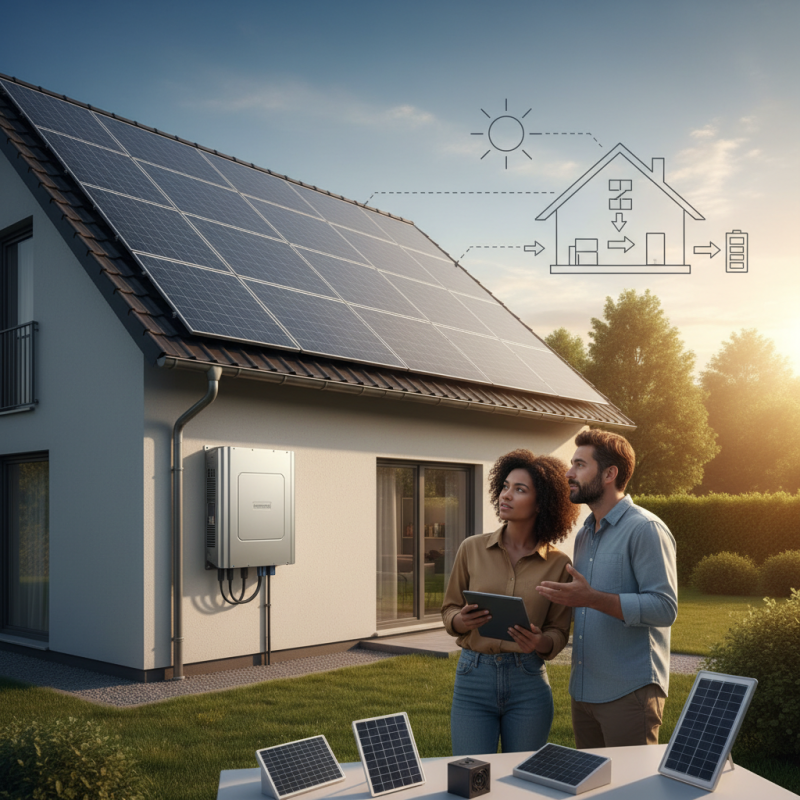
Choosing the right Pv Inverter for your solar system is critical. It impacts efficiency and overall energy production. A good inverter converts the DC electricity generated by solar panels into AC electricity for your home.
When selecting a Pv Inverter, consider its capacity. It must match your solar panel system's output. Inverters come in various sizes and types, influencing performance and costs. Another factor is the inverter's efficiency. A high-efficiency inverter maximizes energy produced.
Don't overlook warranty and service options. An inverter with a longer warranty suggests reliability. Many users later regret their initial choices, finding out that a different model suits better. Investing time in research is vital. Each decision shapes your energy future.
Understanding the Role of PV Inverters in Solar Systems
Understanding the role of PV inverters is crucial for optimizing solar power systems. These devices convert direct current (DC) generated by solar panels into alternating current (AC) for home use. According to the Solar Energy Industries Association (SEIA), inverters account for around 20-30% of a solar system's total cost. This highlights their importance in overall efficiency and budget considerations.
Selecting the right inverter can significantly impact performance and longevity. Inverters come with various features, including efficiency ratings and warranty periods. Reports indicate that a high-quality inverter can boost system efficiency by up to 10%. Additionally, many homeowners may overlook that inverters also influence energy storage options for off-peak usage.
Choosing the wrong inverter could lead to underperformance. Some inverters may not handle extreme weather conditions well. Users should evaluate not just the price, but also the inverter's specifications. This could mean a few more steps in the decision-making process. However, it ensures a well-rounded, future-proof solar investment.
Different Types of PV Inverters and Their Applications
Choosing the right photovoltaic (PV) inverter is crucial. Understanding different types can help optimize your solar system. There are three major kinds of PV inverters: string inverters, micro-inverters, and power optimizers. Each type has unique features and applications.
String inverters are the most common. They connect multiple solar panels to a single inverter. This approach is cost-effective and efficient for many residential setups. However, shading issues can impact performance. A report by the National Renewable Energy Laboratory (NREL) indicates that string inverters can lose up to 20% efficiency in shaded conditions.
Micro-inverters operate on a smaller scale. They attach to individual panels, maximizing energy harvest and providing detailed data for monitoring. This type is beneficial for complex roof layouts. Still, it tends to be more expensive overall. According to market analysis, installations using micro-inverters have gained 15% market share over the past three years.
Power optimizers are a hybrid solution. They combine elements of string and micro-inverters. Each optimizer manages panel performance while feeding into a central inverter. This approach mitigates some shading issues but can still be a bit tricky to manage. The choice here is not always clear-cut, requiring careful consideration of your specific context.
Comparison of Different Types of PV Inverters
This chart illustrates the efficiency percentages of different types of PV inverters commonly used in solar systems. By comparing string inverters, micro inverters, power optimizers, and hybrid inverters, potential solar users can make informed decisions on which inverter type may best suit their specific needs and application scenarios.
Evaluating Efficiency and Performance Ratings of PV Inverters
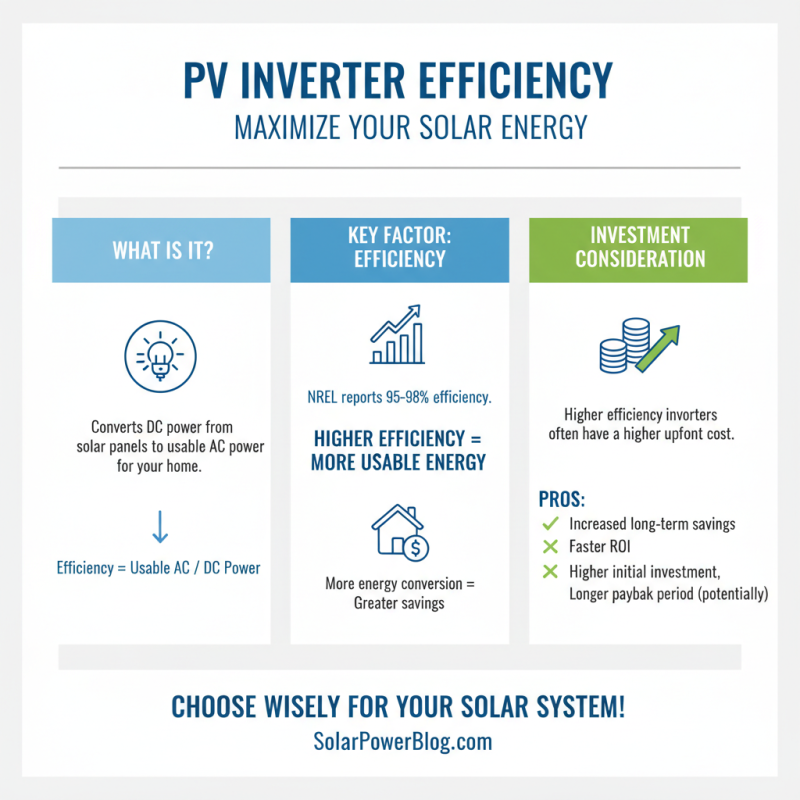
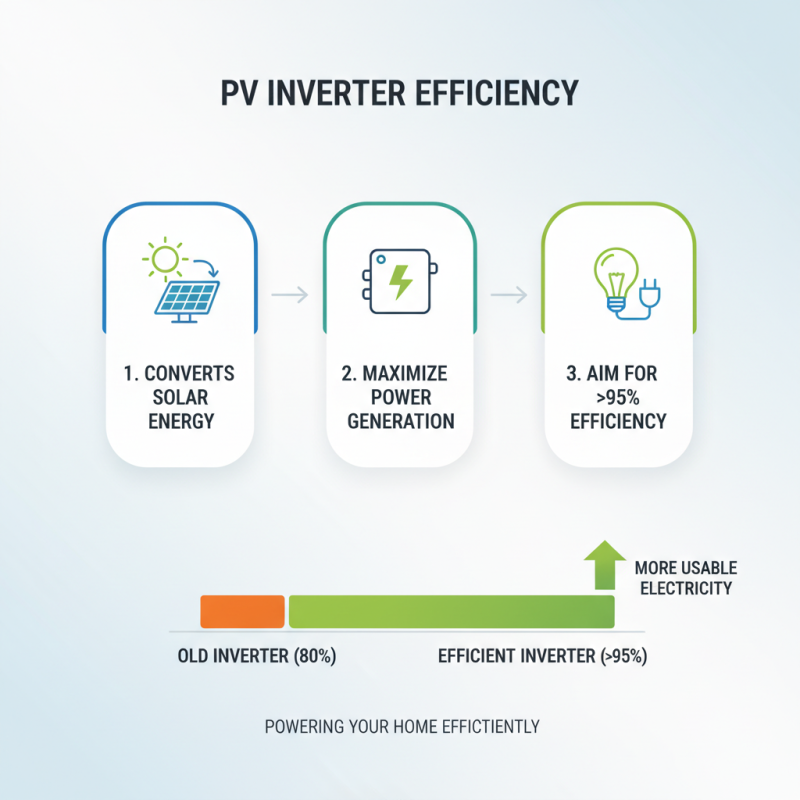
When evaluating the efficiency of PV inverters, it's vital to consider their performance ratings. Inverters convert solar energy into usable electricity. An efficient inverter ensures your system generates maximum power. Look for inverters with high efficiency percentages, ideally over 95%.
Tips: Check the inverter’s maximum power point tracking (MPPT) capabilities. A superior MPPT can optimize energy harvesting throughout the day. Assess how well the inverter performs under various environmental conditions, like temperature and shading.
Pay attention to other factors, too. The longevity and warranty period of an inverter can signal its reliability. Some inverters might fail sooner than expected under harsh conditions. Look out for reviews and performance reports highlighting such issues. Consider the size of your solar system and choose an inverter that meets its specific demands, as mismatched sizing can lead to reduced efficiency.
Budget Considerations and Long-term Value of PV Inverters
When selecting a PV inverter, budget is crucial. PV inverters vary widely in price. Cheaper models may save money upfront but could lead to higher long-term costs. They might lack certain features that improve energy efficiency. It's important to balance initial investment with future savings.
Consider the lifespan of the inverter. Most inverters last 5 to 10 years. A higher-quality inverter may come with a longer warranty. This can be a valuable factor for long-term planning. Remember that maintenance costs can also impact your budget. Some inverters require more frequent servicing.
Evaluate the energy production potential of your solar system. A more efficient inverter can adapt better to changing conditions. It will maximize the energy harvested from your solar panels. This means more savings on your utility bills over time. Reflecting on these elements will guide you in making a more informed decision.