How to Choose the Right Battery Storage Container for Your Needs?
Choosing the right battery storage container is essential for your power needs. This decision impacts safety, efficiency, and longevity. A suitable container protects your batteries from damage and optimizes their performance.
Consider the size of your batteries. You want a container that fits snugly but not too tight. The right material also matters. Some containers may be more durable than others. Reflect on where you will place the container. Will it be indoors or outdoors? Factors like climate can influence your choice.
Not all battery storage containers are created equal. Some are overpriced yet lack quality. Others may offer good value but compromise on safety features. We must analyze our needs carefully and question marketing claims. Making an informed decision may take time, but it is worth it in the end.
Understanding Battery Storage Container Types and Their Applications
Choosing the right battery storage container is crucial for safety and efficiency. There are several types of containers available in the market, each suited for specific applications. For example, lithium-ion battery containers are widely used in renewable energy systems. They are lightweight and offer high energy density. According to industry reports, these containers can store up to 90% of their initial capacity after several cycles.
Lead-acid battery storage containers are another prevalent choice. These containers are preferred in backup power applications. They are cost-effective and can withstand harsh conditions. However, they tend to occupy more space compared to lithium-ion options. Research conducted by battery industry analysts shows that over 40% of users find space a significant factor in their choice.
There are also specially designed containers for hazardous materials. These options include fire-resistant features and spill containment systems. Despite the added safety, they often come at a higher cost. Users sometimes overlook maintenance needs, leading to operational risks. Selecting the right container is not merely about capacity; it's about assessing the total requirements for your specific usage scenario.
Battery Storage Container Types and Applications
This chart illustrates the typical energy capacity (in kWh) of various battery storage container types. Understanding the energy storage capabilities can help in selecting the right battery container for specific applications.
Key Factors Influencing Battery Storage Container Selection
When selecting a battery storage container, consider size and capacity. The container needs to fit your space and budget. Overestimating can lead to wasted space and resources. Undersizing can risk the safety and longevity of your batteries. Think carefully about your current and future needs.
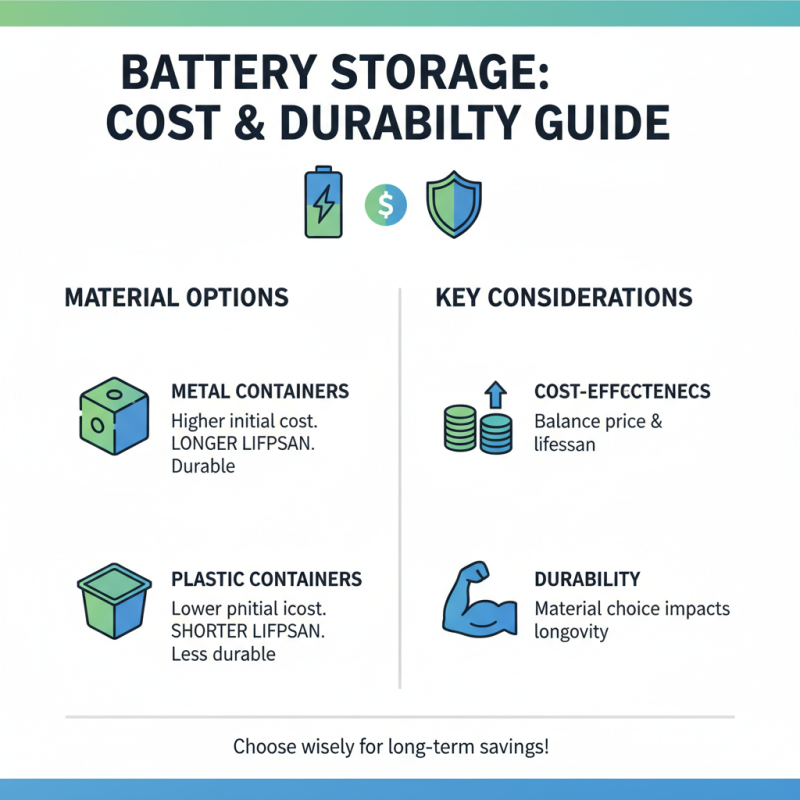
Material is another critical factor. Different materials offer varying levels of durability and protection. Metal might provide better security but could add unnecessary weight. Plastic containers are lighter and often more affordable. However, they might not withstand extreme weather as well. Reflect on the environment where you will store the container.
Ventilation is essential for battery safety. Proper airflow can prevent overheating and gas buildup. Some containers offer ventilation features, but others do not. It's crucial to weigh these options. Assessing your specific use case can help guide your choice. A wrong decision could lead to hazards or, at the very least, inefficiency.
Evaluating Material Durability and Protection Standards for Storage
When selecting a battery storage container, material durability is crucial. Strong materials provide better protection against impact and environmental factors. Many containers use plastic or metal, but not all are created equal. Look for robust options with high resistance to heat and moisture. This can prevent premature wear and damage, extending the lifespan of your batteries.
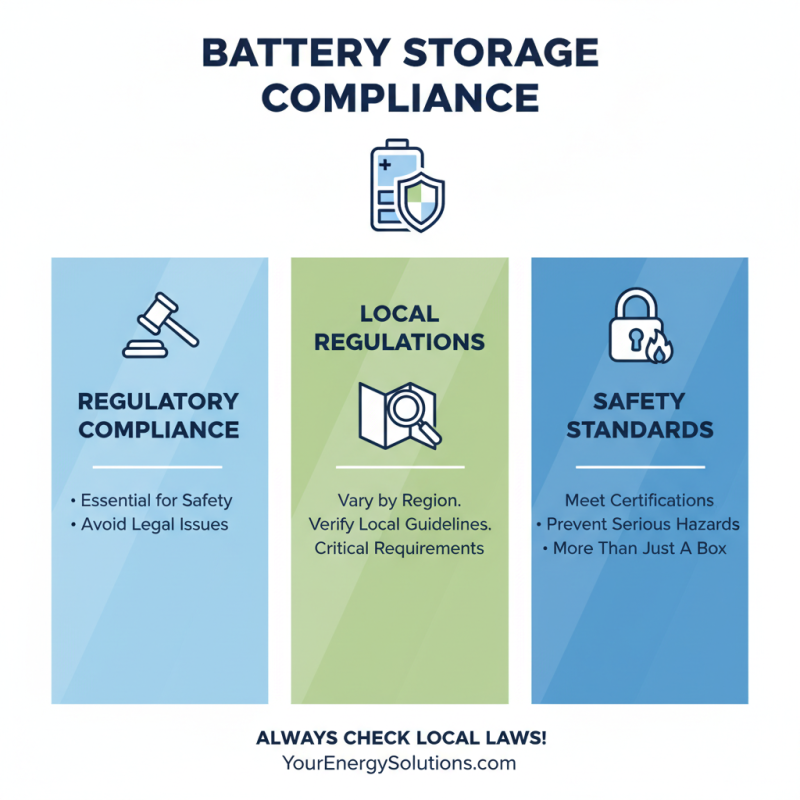
Protection standards also play an essential role. Some containers come with certifications indicating compliance with safety regulations. These certifications can assure users that the container meets industry standards. However, it is vital to understand that not all certification labels mean the same thing. DIY inspections may reveal shortcomings in certain products. Always double-check the specifications.
Consider potential vulnerabilities too. A highly durable container may not be suitable in all scenarios. For example, excessive weight can hinder mobility. Be mindful of your specific needs and environment. It’s vital to strike a balance between strength and usability. Ultimately, investing time in evaluating materials and protection standards leads to smarter choices for battery storage.
How to Choose the Right Battery Storage Container for Your Needs?
| Container Type |
Material |
Durability Rating |
Weather Resistance |
Protection Standards |
| Portable Plastic Container |
Polyethylene |
High |
Waterproof |
IP65 |
| Metal Storage Rack |
Steel |
Very High |
Corrosion-Resistant |
UL94 |
| Heavy Duty Battery Box |
Polypropylene |
Medium |
Moisture-Proof |
ISO 9001 |
| Eco-Friendly Container |
Biodegradable Plastic |
Low |
Limited |
None |
| Advanced Sealed Container |
Composite Material |
Very High |
All-Weather |
IP68 |
Comparing Cost-Effectiveness of Various Battery Storage Solutions
When choosing a battery storage solution, cost-effectiveness is a crucial factor. Various containers have different price points. Some appear cheap but may lack durability. Consider materials carefully. For instance, metal containers often last longer than plastic ones. However, initial costs may be higher for metals.
You might find some containers claim to be energy-efficient. Yet, it's essential to evaluate their actual performance over time. Look for real-world reviews and user experiences. Often, suppliers highlight the benefits but downplay flaws. Pay attention to storage capacity and space requirements, as this plays a role in overall efficiency.
Finding a balance between upfront costs and long-term savings is tricky. Sometimes, high-quality containers save money later through reduced maintenance. In contrast, cheap options might lead to frequent replacements. It's wise to analyze your specific needs and usage patterns. This will guide you in making a thoughtful choice.