How to Choose the Right 3kw Hybrid Inverter for Your Home?
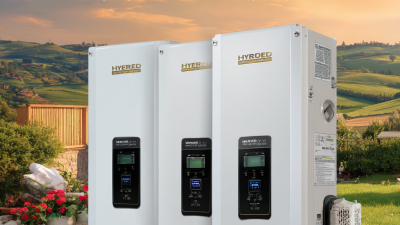
In today's energy landscape, choosing the right 3kw Hybrid Inverter for your home is crucial. A report by the International Renewable Energy Agency indicates that hybrid systems are gaining popularity, with a market growth rate of over 15% annually. This surge reflects the increasing need for reliable and versatile energy solutions.
Industry expert Dr. Samantha Tan states, "Selecting a 3kw Hybrid Inverter is not just about the specifications; it's about understanding your energy needs." Homeowners often overlook vital aspects like efficiency and compatibility. Many consumers are unaware that not all inverters are suited for diverse energy sources, leading to mismatched expectations.
A thoughtful choice can enhance energy savings and improve resilience during outages. Investing in a quality 3kw Hybrid Inverter means considering your long-term energy goals. Many consumers find the decision process overwhelming. Understanding your energy consumption patterns and potential future needs can lead to better decisions. Reflecting on these factors can help avoid costly mistakes.
Understanding the Basics of 3kW Hybrid Inverters in Home Energy Systems
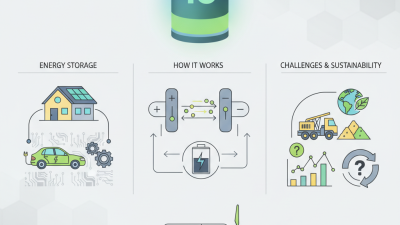
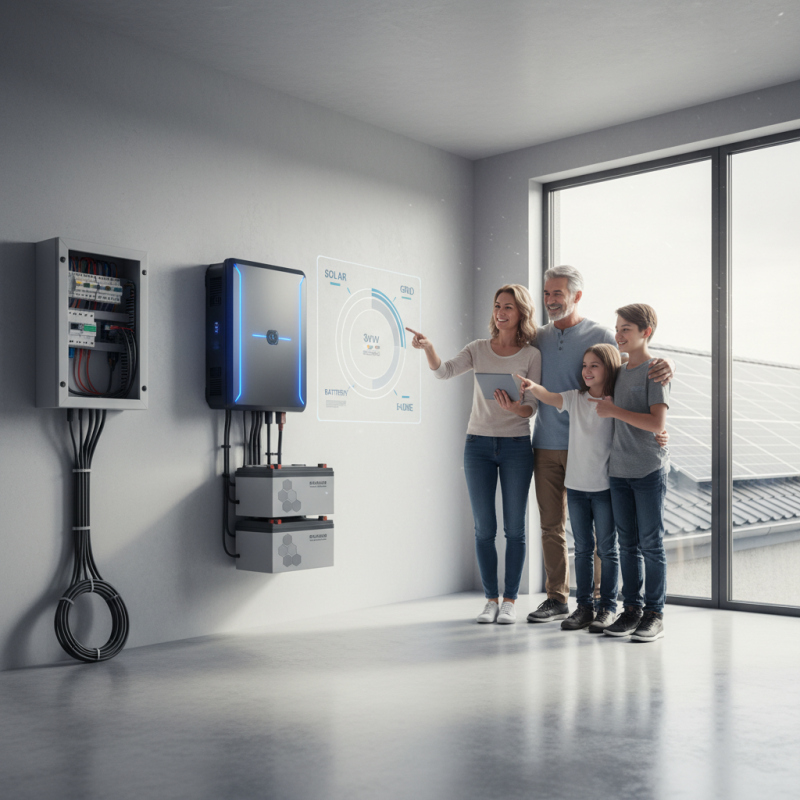
Choosing the right 3kW hybrid inverter involves understanding how it integrates with home energy systems. A hybrid inverter manages energy from solar panels and batteries. This dual function allows homeowners to store excess solar energy for later use. Reports indicate that nearly 50% of households are now considering hybrid systems for energy efficiency.
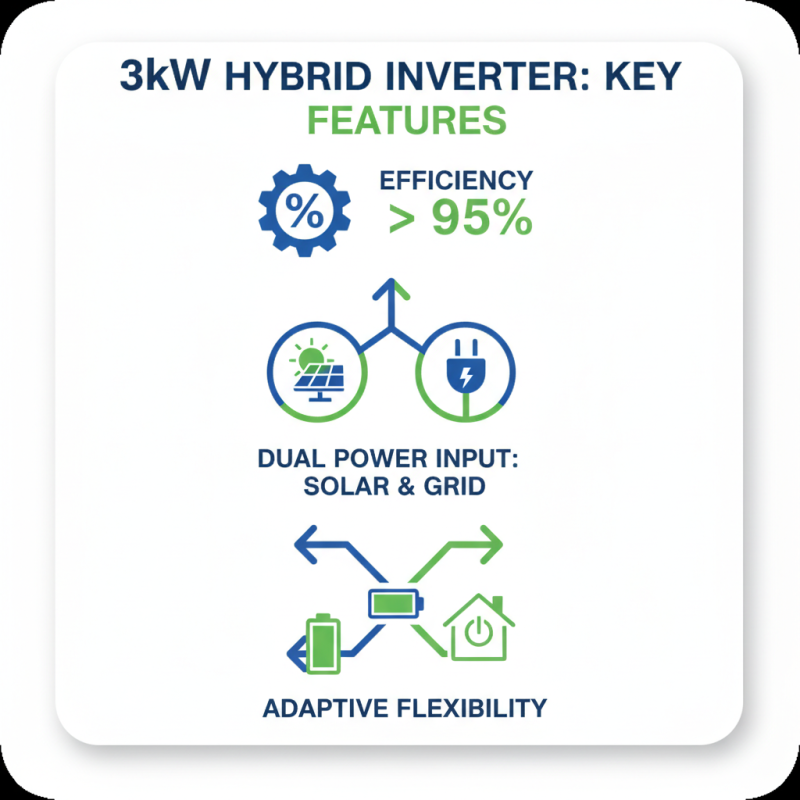
Three key factors affect the performance of a 3kW hybrid inverter. First, the inverter's efficiency rating is crucial. A high-rated inverter can convert more DC energy from solar panels to usable AC power. Many in the industry recommend an efficiency rating above 95%.
Second, the compatibility with battery storage systems must be assessed. Not all inverters work seamlessly with every battery type. Research suggests that mismatches can decrease overall energy performance by up to 30%.
Lastly, the inverter's monitoring capabilities matter. Users benefit from real-time data about energy production and consumption. However, not all systems provide user-friendly interfaces. This can lead to frustration and poor energy management if homeowners struggle to interpret data. Contemplating these factors can lead to better choices. Yet, buyers must reflect on their unique energy needs before making a decision.
Evaluating Efficiency Ratings: How They Impact Your Energy Savings
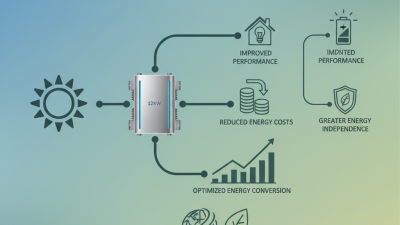
Choosing the right 3kw hybrid inverter is essential for maximizing energy savings. Efficiency ratings play a crucial role in this decision. According to the National Renewable Energy Laboratory (NREL), higher efficiency inverters can reduce energy waste by up to 20%. This is significant, especially in a household where electricity costs are rising.
When evaluating options, look for inverters with efficiency ratings above 95%. A small difference in efficiency can lead to substantial savings over time. For example, an inverter that operates at 97% efficiency can save a household approximately $100 annually compared to a less efficient model. These numbers reflect real-world impact. Yet, many consumers still overlook this critical aspect.
Consider also the inverter's performance during different conditions. Some models lose efficiency during extreme temperatures. A study by the Electric Power Research Institute shows that inverters operating in high heat can drop efficiency by up to 10%. Be cautious. A high-rated inverter doesn’t always mean it will perform well in your environment. Understanding these nuances can lead to better choices for energy efficiency.
Battery Compatibility and Storage Capacity Considerations
Choosing the right 3kw hybrid inverter for your home involves key considerations around battery compatibility and storage capacity. Battery compatibility is crucial. Not all inverters work with every battery type. Check specifications carefully. Lithium-ion batteries are popular choices. They offer higher energy density and longer life cycles. However, lead-acid batteries might be more cost-effective initially. Assess your needs before deciding.
Storage capacity also plays a significant role. A larger capacity means more stored energy for use later. Consider your daily energy consumption patterns. Do you use energy mainly during the day or at night? This affects how much storage you need. Some homes require less capacity, making smaller, more efficient systems viable. Others may require larger systems to meet their needs.
Some users regret their choices later. They find themselves with insufficient capacity or incompatible batteries. It’s essential to reflect on your long-term plans too. If you plan on expanding energy usage, opt for a scalable system. Flexibility and future-proofing can save you from costly changes down the line. Stay informed and consider various configurations before making a choice.
How to Choose the Right 3kw Hybrid Inverter for Your Home? - Battery Compatibility and Storage Capacity Considerations
| Inverter Model |
Battery Compatibility |
Storage Capacity (kWh) |
Input Voltage (V) |
Efficiency (%) |
| Inverter A |
Lithium-ion / AGM |
10 |
48 |
95 |
| Inverter B |
Lithium-ion |
8 |
48 |
93 |
| Inverter C |
AGM / Gel |
12 |
48 |
90 |
| Inverter D |
Lithium-ion |
9 |
48 |
92 |
Installation Requirements and Maintenance Tips for Homeowners
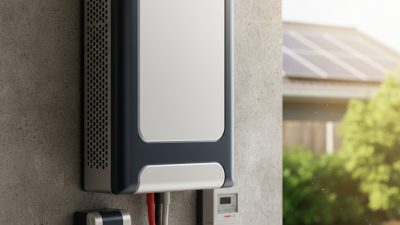
When choosing a 3kW hybrid inverter for your home, it's essential to consider installation requirements carefully. The inverter needs to be properly sized for your energy consumption. According to industry reports, around 85% of homeowners underestimate their power needs. This error can lead to inefficiencies. The inverter must be placed in a cool, dry location. Excessive heat can reduce performance, so avoid direct sunlight.
Maintenance is essential to ensure longevity. Regularly check connections and clean dust from the inverter. A recent survey revealed that 40% of inverters fail due to lack of maintenance. Homeowners should be proactive, inspecting the system every six months. If you notice any unusual sounds or error codes, it's time to seek professional help.
**Tip:** Document the maintenance schedule. This helps track when inspections are due. Keep records of repairs and updates. Regular maintenance not only extends the life of your inverter but also optimizes performance. Make sure to understand your adaptation requirements, as not all homes are suited for hybrid systems. Awareness of these details can save future headaches.