Why Choose an Inverter Hybrid 10kW for Your Energy Needs?
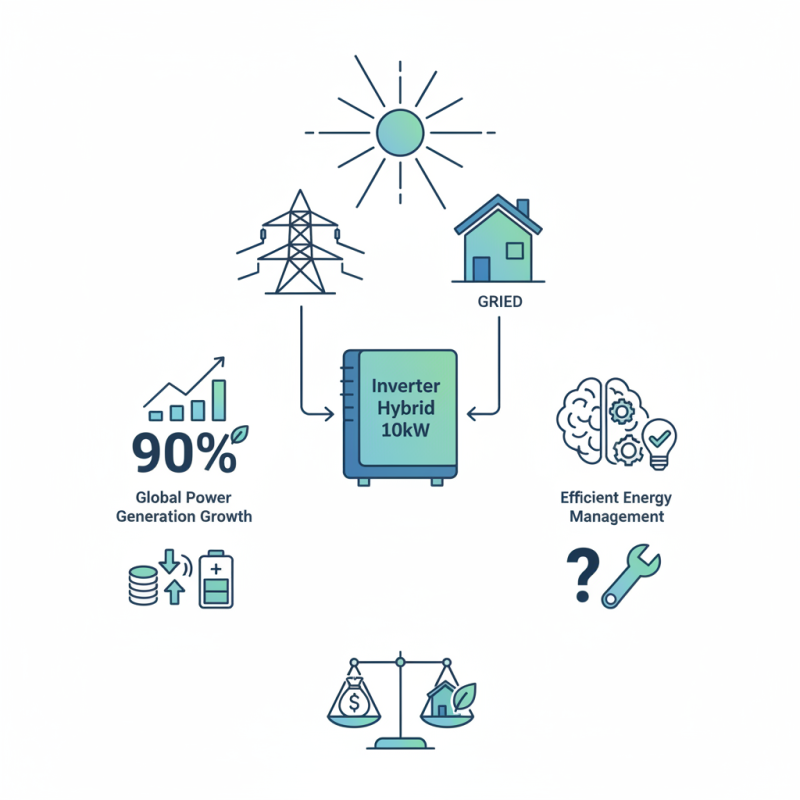
As energy demands surge globally, sustainable solutions become vital. The Inverter Hybrid 10kW presents a significant opportunity for both residential and commercial applications. According to the International Energy Agency, renewable energy sources will account for 90% of the growth in global power generation by 2025. This trend underscores the importance of efficient energy management systems.
John Smith, a leading expert in energy systems, states, "Adopting Inverter Hybrid 10kW technology allows users to harness both solar and grid power effectively." In practical terms, this means lower energy bills and enhanced reliability. The unit not only optimizes energy use but also provides backup during outages. However, the initial investment and installation complexity can be obstacles for some users.
Ultimately, balancing the upfront costs with long-term savings requires careful consideration. The Inverter Hybrid 10kW serves as a step towards more resilient and eco-friendly energy solutions. It is essential for potential users to weigh the benefits against their individual circumstances. The solution is promising but not without its challenges.
What is an Inverter Hybrid 10kW System?
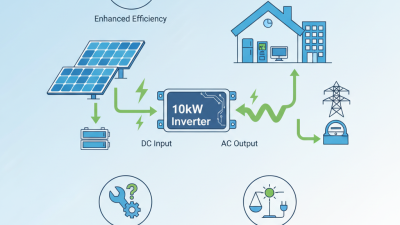
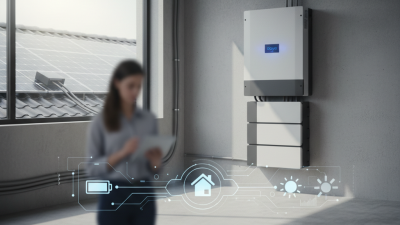
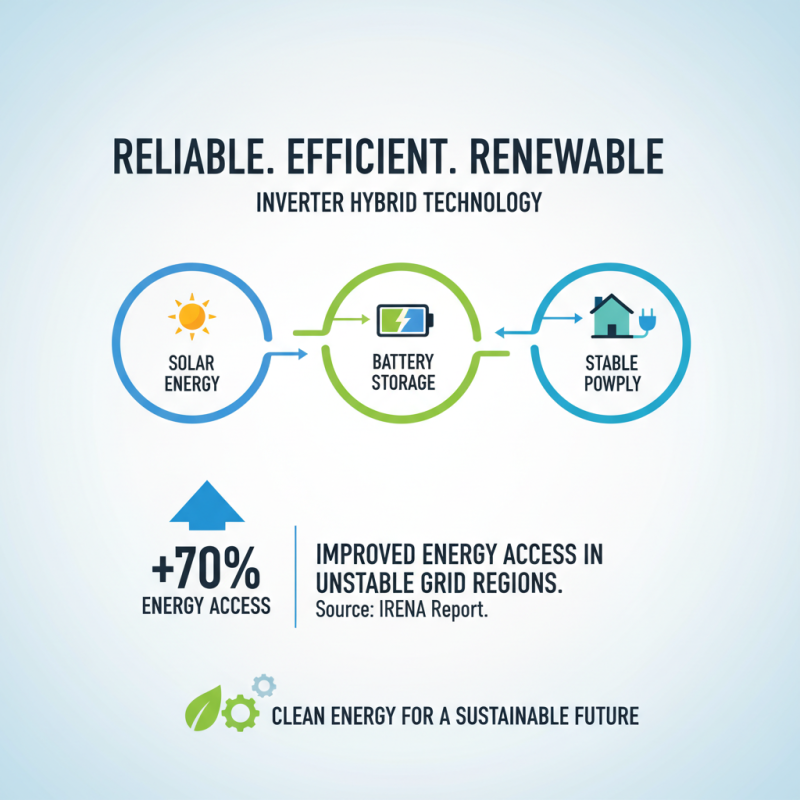
An inverter hybrid 10kW system combines solar energy and battery storage. It provides a reliable power source for homes and businesses. These systems efficiently convert solar power into usable electricity. They also store excess energy for later use. This makes them ideal for areas with unstable power grids.
Inverter hybrid systems can be complex. Understanding their components is key. They include solar panels, batteries, and an inverter. The inverter converts the direct current from solar panels into alternating current for your devices. Choosing the right storage capacity is crucial. It should meet your daily energy needs without overloading.
Many users report challenges in managing energy output. Sometimes, excess energy gets wasted. Regular maintenance is also needed to ensure efficiency. Keeping an eye on performance can help prevent issues. Still, the benefits often outweigh these concerns. Investing in this system can lead to long-term savings and energy independence.
Why Choose an Inverter Hybrid 10kW for Your Energy Needs? - What is an Inverter Hybrid 10kW System?
| Feature |
Description |
Benefits |
| Power Output |
10kW capacity suitable for residential and small commercial use. |
Meets the energy consumption needs of an average household. |
| Hybrid Functionality |
Combines solar energy use with grid power. |
Increased energy independence and security against power outages. |
| Energy Efficiency |
Utilizes advanced technology to minimize energy waste. |
Lower energy bills and reduced carbon footprint. |
| Battery Storage |
Integrated battery storage options for excess solar energy. |
Utilize stored energy during high-demand times or when solar generation is low. |
| Smart Monitoring |
Real-time monitoring of energy production and consumption. |
Enhanced control over energy use and efficiency analytics. |
How Inverter Hybrid Systems Enhance Energy Efficiency
Inverter hybrid systems are transforming how we harness energy. They combine renewable energy sources, like solar, with traditional generators. This blend enhances efficiency. Studies show that these systems can improve energy usage by up to 30%. This is crucial for reducing costs and environmental impact.
The flexibility of inverter hybrids is noteworthy. Systems adapt to fluctuating energy demands. When the sun shines, they rely more on solar power. On cloudy days, they seamlessly tap into backup generators. A report from the International Energy Agency highlights that hybrid systems can decrease fuel consumption by nearly 40% in remote areas. This ensures a reliable energy supply.
However, challenges exist. Initial setup costs can deter some users. Maintenance might also be tricky for those unfamiliar with technology. Yet, the benefits often outweigh these concerns. Long-term savings and energy independence are compelling reasons to consider inverter hybrids. The potential for better energy efficiency is clear, but each user's situation may differ. Users need to assess their unique energy needs before deciding.
Exploring Cost Savings with 10kW Inverter Hybrids
As energy costs rise, many are looking for savings. A 10kW inverter hybrid system offers substantial benefits. According to the International Renewable Energy Agency (IRENA), hybrid systems can reduce electricity expenses by up to 50%. This reduction can be a game-changer for households and businesses alike.
One key advantage of this system is its flexibility. It can operate on both solar and grid power. This means users can harness renewable energy when it’s available and fall back on grid electricity during peak demand. Research shows that hybrid systems can lead to lower long-term operational costs. However, the initial investment might seem steep. Not everyone can afford it right away.
Another aspect to consider is maintenance. While generally low, hybrid systems do require regular checks. Overlooking this can lead to inefficiencies, reducing energy savings over time. Many users report needing to adapt their habits to maximize cost savings. The integration into daily life isn’t always seamless. This may require some lifestyle adjustments that not everyone is prepared for.
Comparative Cost Savings of 10kW Inverter Hybrids
Applications and Suitability of Inverter Hybrid Systems
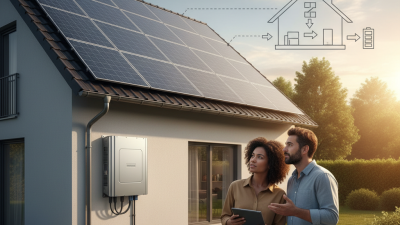
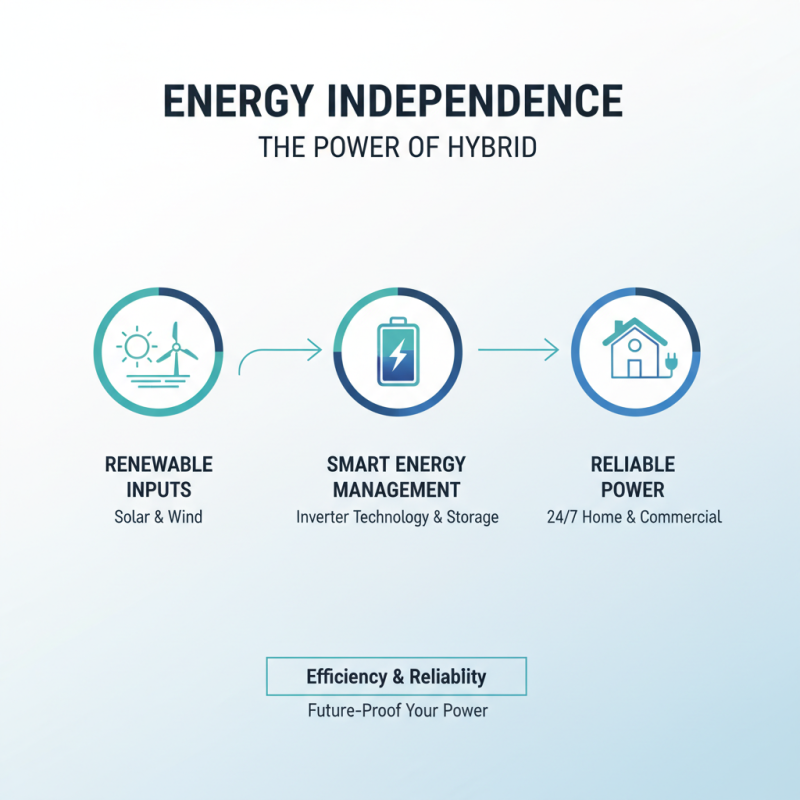
Inverter hybrid systems are becoming increasingly popular for various applications. These systems combine traditional energy sources with modern inverter technology, enhancing efficiency and reliability. They are particularly suitable for residential and commercial settings. Homes with solar panels or wind turbines benefit greatly from these systems. The ability to store energy ensures that households have power even at night or during cloudy days.
For businesses, inverter hybrid systems offer flexibility. They can adapt to the specific energy needs of different operations. This is crucial for industries that experience fluctuating energy demands. However, implementing such a system requires careful planning. Understanding energy consumption patterns is vital. In some cases, users find that their initial energy costs don't significantly decrease. This calls for reflection and adjustment in energy management strategies.
Moreover, the installation and maintenance of these systems can pose challenges. While inverter hybrids promise efficiency, they might not always deliver if incorrectly configured. Users must engage with qualified professionals for installation. Regular maintenance is essential but often overlooked. Ensuring optimal performance demands ongoing commitment. Balancing these aspects can be daunting, but the potential benefits make it worth exploring.