2026 How to Choose the Best 8kw Hybrid Inverter for Your Needs
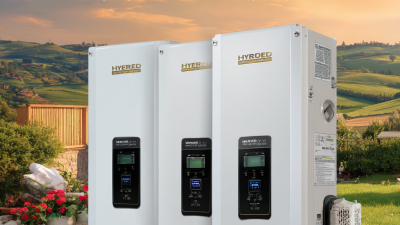
Choosing the right inverter is crucial for your energy needs. A reliable 8kw Hybrid Inverter can optimize your energy use. It seamlessly integrates solar power and grid electricity, providing flexibility and efficiency.
When selecting an 8kw Hybrid Inverter, consider your energy consumption patterns. Analyze how much energy you typically use. Think about your future energy needs, as they may change with lifestyle changes.
Make sure to research brands and reviews. Look for trusted manufacturers with a good track record. However, be aware that not all products are perfect. Take the time to weigh pros and cons carefully. This decision can have a lasting impact on your energy management.
Understanding 8kW Hybrid Inverters: Key Features and Functions
Understanding 8kW hybrid inverters is essential for anyone looking to optimize energy consumption. These devices blend solar energy with grid power, providing efficiency. Key features include solar charge controllers and battery management systems. When selecting an inverter, focus on its compatibility with existing systems.
Hybrid inverters are not just about power. They offer real-time monitoring and data analytics. This can help you track energy usage. However, many users find features overwhelming. Understanding how to utilize these functions effectively can often be challenging.
Reliability is also crucial in inverter performance. Look for warranties and customer support when making a decision. An inverter's ability to handle power fluctuations significantly impacts its reliability. It’s important to assess your specific energy needs. Misjudging these can lead to underperformance.
Assessing Your Power Needs: How Much Energy Do You Require?
When considering an 8kW hybrid inverter, understanding your energy needs is crucial. Assessing your power requirements accurately can prevent oversizing, which leads to inefficiency, or undersizing, causing potential system failures. An average American household consumes about 30 kWh per day. If you plan to power essential appliances, lights, and possibly an electric vehicle, evaluate your peak demand during high-use hours.
Energy monitoring reports show that nearly 40% of homes underestimate their daily consumption. For example, you might overlook appliances like refrigerators or HVAC systems that operate continuously. A careful analysis often reveals a need for more energy than initially thought. Households with heat pumps or electric water heaters may require more than 8 kW during peak times.
It’s also vital to consider potential future energy needs. As more families transition to electric vehicles or increase their reliance on home energy systems, their requirements can change. It’s worth noting that many users realize too late that their system cannot handle added loads. Engaging with a professional to review your energy habits can ensure you choose an inverter that aligns with your current and future demands.
Evaluating Compatibility: Ensuring Inverter Works with Your System
When selecting an 8kw hybrid inverter, compatibility is crucial. An inverter must work seamlessly with your existing solar system. Check the voltage and power ratings first. Make sure they align with your solar panels and batteries. Misalignment can lead to inefficiency. It’s also wise to assess the inverter's grid tie capabilities. This ensures you can sell excess energy back to the grid.
Consultation with an expert can greatly aid in this process. An experienced technician can evaluate your system's needs. However, it's vital that you understand the parameters as well. Do not rely solely on their expertise. Look deeper into the specifications yourself. Sometimes, a small detail can change the entire setup.
Consider future needs as well. Your energy demands may increase over time. Choose an inverter that allows for scalability. This foresight can save you from premature upgrades. Many overlook this aspect and later face challenges. Always stay informed about advancements in technology. Your informed decision will result in a more efficient energy solution.
2026 How to Choose the Best 8kw Hybrid Inverter for Your Needs - Evaluating Compatibility
| Feature |
Description |
Compatibility |
Price Range ($) |
| Output Power |
Capable of delivering 8kw of continuous power |
Compatible with residential and small commercial systems |
1800 - 3000 |
| Battery Type |
Supports Lithium-ion and Lead-Acid batteries |
Works with most common battery types |
1000 - 2000 |
| Grid-Tie Functionality |
Allows for connection to the grid |
Compatible with grid-tied systems |
2000 - 4000 |
| Inverter Efficiency |
Typically over 90% efficient |
Suitable for high-efficiency applications |
NA |
| Monitoring Options |
Includes remote monitoring capabilities |
Compatible with mobile and web apps |
500 - 1000 |
Key Brands and Models: Top 8kW Hybrid Inverters on the Market
Choosing the best 8kW hybrid inverter involves understanding what the market offers. Key brands showcase various features, ensuring they cater to diverse needs. Industry data highlights that hybrid inverters can enhance energy efficiency by up to 30%. This makes them a smart choice for both home and commercial use.
When evaluating models, consider their efficiency ratings, flexibility in usage, and warranty options. Look for inverters with advanced technology, such as real-time monitoring. Some inverters provide app connectivity, making management easier. This connectivity can help you track energy usage and optimize performance.
For optimal selection, analyze your energy needs carefully. Think about current energy consumption and future requirements. A well-selected inverter can adapt to additional power sources, such as solar panels. Budget constraints can complicate decisions. Identify the long-term savings potential; this often outweighs initial costs. Always prioritize reliability and customer service in your research.
Installation Considerations: Professional vs. DIY Approaches
When considering the installation of an 8kw hybrid inverter, the choice between professional help and a DIY approach is crucial. Recent studies indicate that over 30% of homeowners choose to install solar systems themselves. While this route can save money, it also carries inherent risks. An estimated 20% of DIY installations result in problems that lead to reduced efficiency and technical issues.
Professional installation offers several advantages. Experts often have certifications and years of experience. They understand local regulations and safety standards. According to a 2023 industry report, professionally installed systems have a failure rate of less than 5%. This is significantly lower than DIY systems, which can be prone to errors. Professionals ensure that all components are correctly integrated, addressing challenges like shading and electrical compatibility.
However, DIY installation can be appealing for those with technical skills. It allows for flexibility and a hands-on approach. A study from the National Renewable Energy Laboratory found that DIY installations can take about 20% longer than professional ones. This time investment must be weighed against potential complications. Homeowners should evaluate their comfort level with electrical work and system design before making a decision.