How to Choose the Best 3kw Lithium Battery for Your Needs?
In today's energy landscape, selecting the right 3kw Lithium Battery is essential. With the global demand for renewable energy and efficient storage solutions increasing, understanding your options is crucial. According to a recent report by BloombergNEF, lithium battery costs have declined by over 89% since 2010. This trend highlights the growing accessibility of energy storage technologies.
When assessing 3kw Lithium Batteries, consider your specific needs. Different applications, from home energy systems to electric vehicles, require varied performance and lifespan. Reports indicate that a high-quality lithium battery can last up to 15 years with proper maintenance. However, not all products guarantee this longevity.
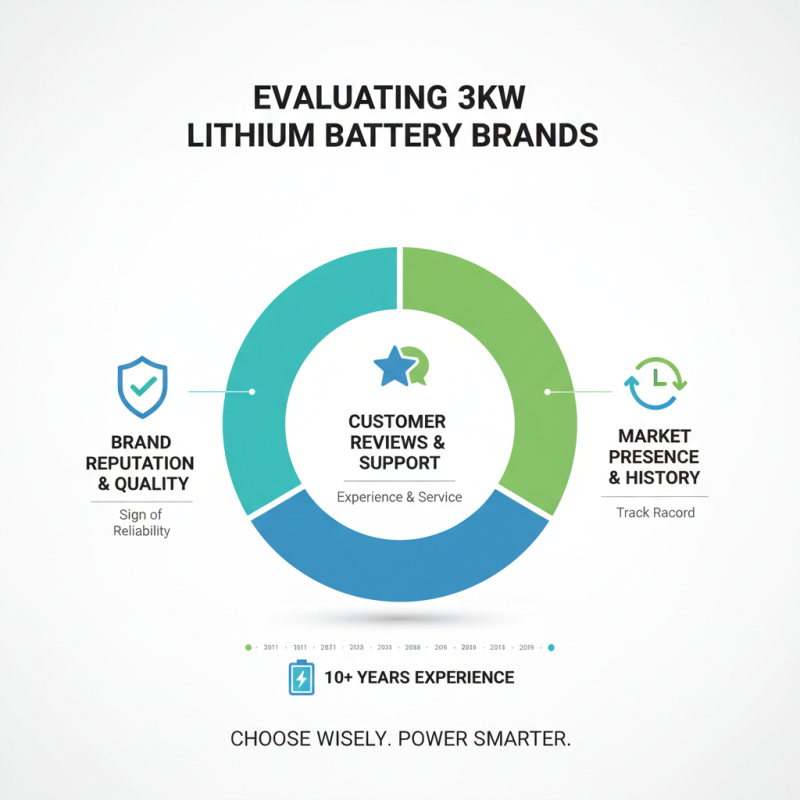
It’s also important to keep in mind safety and warranty options. Lithium batteries can pose risks if not correctly managed. Industry sources stress the need for reliable brands. Many manufacturers offer warranties for up to 10 years. This assurance indicates trustworthiness and durability. Choosing the best 3kw Lithium Battery means balancing performance, safety, and price. Your decision will significantly impact your energy efficiency and sustainability.
Understanding Lithium Battery Basics and Specifications
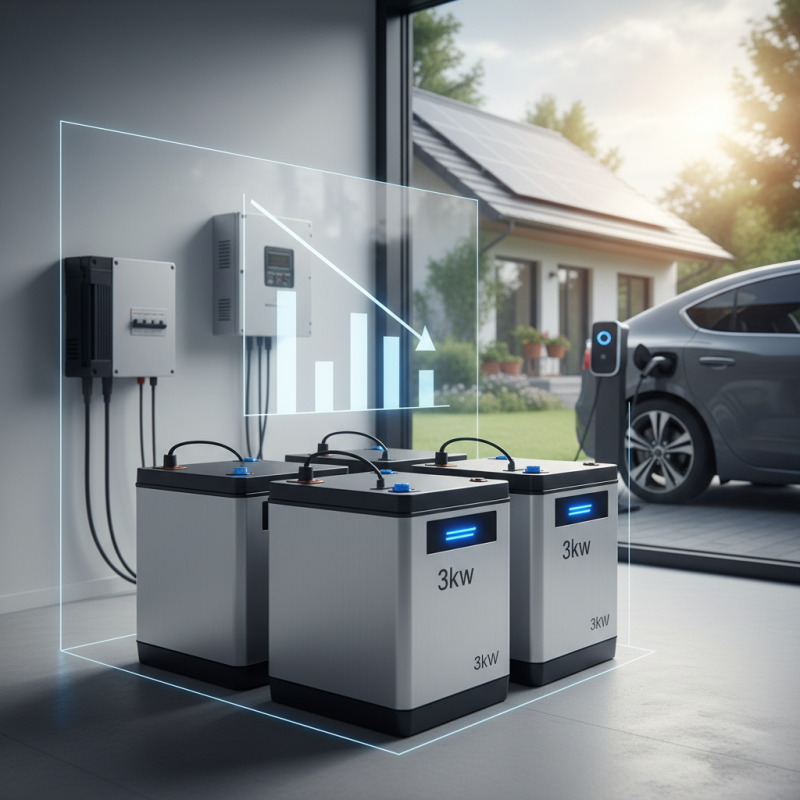
When selecting a 3kw lithium battery, understanding the basics is vital. Lithium batteries are popular due to their high energy density. They typically offer over 150 wh/kg, which enhances efficiency in various applications. Common uses include solar systems and electric vehicles, where weight and size matter.
Battery specifications are crucial for effective decision-making. Pay attention to the discharge rate, which indicates how quickly a battery can release energy. A higher rate means better performance for demanding applications. Additionally, consider the cycle life. Quality lithium batteries often last up to 2000 cycles. However, not all batteries adhere to this standard. Some may significantly underperform.
Safety also matters. Look for batteries with built-in management systems. These systems prevent overcharging and overheating. They enhance reliability but are not infallible. Failure to select a battery with proper certifications can result in risks. Explore various options and consult data from trusted industry reports. Always ensure the battery suits your specific needs and applications.
Assessing Your Power Needs for a 3kw Lithium Battery
When considering a 3kw lithium battery, assessing your power needs is crucial. Begin by identifying the devices you want to power. Take note of their wattage requirements. A 3kw battery can support various applications, from solar setups to electric vehicles. However, not all needs are the same.
It's essential to calculate the total wattage your devices consume. For example, a refrigerator may use 200 watts, while lights might add another 100 watts. Add these numbers together to determine if 3kw is sufficient. Keep in mind, if your usage spikes, a slightly higher capacity might be wise.
Tips: Always overestimate your needs. This gives you a safety buffer. Also, consider your charging habits. When will you recharge? Will you use solar panels? These factors influence the battery's overall efficiency. Lastly, think about future expansions. Will you add new devices later? A bit of foresight can save you from future headaches.
Key Features to Consider in a 3kw Lithium Battery
When selecting a 3kw lithium battery, the key features play a crucial role. The battery's capacity is essential. This indicates how much energy it can store. Look for a battery that meets your energy needs without exceeding your budget. Pay attention to discharge rates as well. Batteries with higher discharge rates can power devices requiring more energy. Sometimes, manufacturers can make claims that seem too good to be true.
Another significant feature is cycle life. This reflects how many times the battery can be charged and discharged before it significantly degrades. A longer cycle life means a better investment over time. Reviews and user feedback can provide insights into real-world performance and reliability.
Consider the battery management system (BMS) too. A good BMS ensures safety and efficiency during use. It prevents overcharging and overheating, which can be a risk with lithium batteries. However, some users may find BMS features lacking in cheaper models. Always question the quality of components used in production. Not all manufacturers follow stringent quality controls.
Comparing Battery Costs and Lifespan for Value
When evaluating 3kW lithium batteries, costs and lifespan are crucial factors. The average cost of a 3kW lithium battery ranges from $3,000 to $5,000. This price can vary based on capacity and technology. Studies indicate that lithium batteries have a lifespan of about 10 to 15 years, making them a long-term investment.
Consider this: a cheaper battery might save initial costs but often sacrifices lifespan. A recent industry report highlighted that batteries with higher quality cells provide greater efficiency. These batteries can deliver up to 5,000 charge cycles, compared to 2,000 for lower-quality options. This statistic illustrates the importance of prioritizing value over price alone.
Environmental factors can also affect performance. Batteries may underperform if exposed to extreme temperatures. Additionally, understanding the warranty terms is essential. Many reputable manufacturers offer warranties ranging from 5 to 10 years. This indicates their confidence in product longevity. Buyers should reflect on these aspects before making a decision.