How to Choose the Best 10kw Solar Inverter for Your Energy Needs
Choosing the right solar inverter is crucial for maximizing energy efficiency and ensuring the optimal performance of your solar power system. Among the various options available on the market, the Solar Inverter 10kw stands out as a popular choice for both residential and small commercial applications. This inverter size is capable of handling a significant amount of energy, making it ideal for those looking to harness solar power effectively.
In the quest to select the best Solar Inverter 10kw for your energy needs, several factors must be taken into consideration. These factors include the inverter’s efficiency, durability, and features such as monitoring capabilities and warranty options. Understanding your specific energy requirements and usage patterns is essential in making an informed decision, as it ensures that the chosen inverter not only meets your current needs but also accommodates potential future expansions.
By taking the time to carefully evaluate your options and align them with your energy goals, you can enhance your solar energy investment, leading to long-term savings and a reduced carbon footprint. This guide aims to provide you with the necessary insights and considerations to help you make the best choice for your energy needs when selecting a Solar Inverter 10kw.

Understanding the Basics of 10kW Solar Inverters and Their Functionality
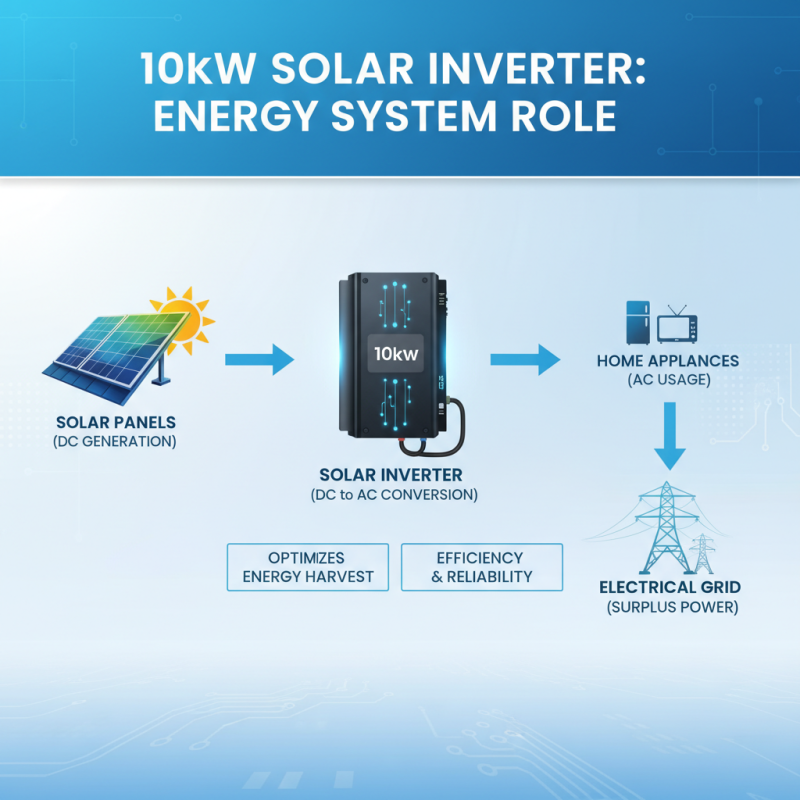
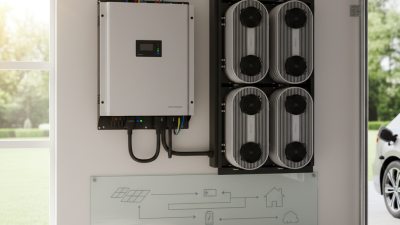
When considering a 10kW solar inverter, it's essential to understand its basic functionalities and how it fits into your energy system. A solar inverter serves a pivotal role in converting the direct current (DC) generated by solar panels into alternating current (AC), which is usable by home appliances and fed into the electrical grid. It also optimizes the energy harvest by adjusting the output to match the solar panel's performance and the energy demand of the household, ensuring efficiency and reliability in power generation.
Moreover, 10kW solar inverters often come equipped with advanced features such as grid-tie capabilities, which allow homeowners to sell excess energy back to the grid, and monitoring systems that provide real-time data on energy production and consumption. Understanding these functionalities is vital for anyone looking to maximize the benefits of solar energy. It’s important to consider factors such as efficiency ratings, durability under varying environmental conditions, and compatibility with existing systems when selecting an inverter to ensure that it meets your energy needs effectively.
Evaluating Your Energy Consumption Needs for Optimal Inverter Sizing
To select the ideal 10kw solar inverter, it's essential to first evaluate your energy consumption needs. Begin by reviewing your electrical usage over a typical month.
Look at your utility bills to determine your average kilowatt-hour (kWh) consumption. This will help you understand the amount of solar energy you'll need to offset your electricity costs effectively.
Consider peak usage times and specific appliances that consume the most power, as these factors directly influence the size of the inverter you'll require.
Next, consider the daily solar exposure in your area and how much energy you expect your solar panels to generate. An effectively sized inverter should accommodate not only your average consumption but also fluctuations in energy demand.
For instance, if you frequently experience higher energy use during certain periods, it's wise to factor in those spikes when calculating your needs. By anticipating both daily and seasonal variations in energy consumption,
you can ensure that your inverter will provide a reliable power supply, optimizing the balance between production and usage.
Comparing Different Inverter Types: String, Micro, and Hybrid Systems
When selecting a 10kw solar inverter, it is essential to understand the differences between various inverter types: string, micro, and hybrid systems. String inverters are the most common choice for residential solar installations. They connect multiple solar panels in series, allowing for efficient energy conversion. However, their performance can be impacted by shading or panel mismatches, making them less ideal for installations where these factors are a concern.
Microinverters, on the other hand, are attached to individual solar panels, offering a more flexible solution. Each panel operates independently, which maximizes the energy harvest, especially in partially shaded environments. This type of inverter provides better performance monitoring and can lead to increased overall system efficiency. However, they tend to be more expensive than string inverters, which could affect the initial investment.
Hybrid inverters combine the functionalities of both grid-tied and off-grid systems, allowing homeowners to store excess energy in batteries for later use. This flexibility makes hybrid systems an attractive option for those looking to enhance their energy independence. Additionally, they can integrate renewable energy sources, such as wind or hydro, alongside solar power, appealing to a broader range of energy needs. Each inverter type offers distinct advantages, and understanding these can help in making an informed decision based on individual energy requirements.
Comparison of Different Types of 10kW Solar Inverters
This chart compares the efficiency and cost-effectiveness of three different types of 10kW solar inverters: String, Micro, and Hybrid Systems. Each type has its own advantages and is suitable for different energy needs.
Analyzing Efficiency Ratings: How to Choose an Inverter with High Performance
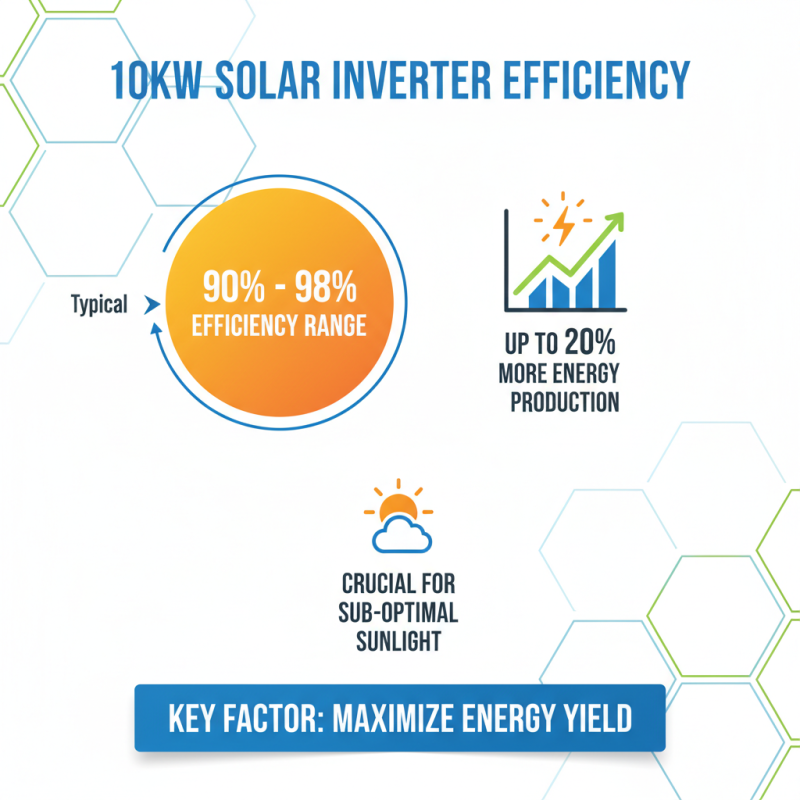
When selecting a 10kw solar inverter, one of the most critical factors to consider is its efficiency rating. Efficiency in solar inverters typically ranges from 90% to 98%, meaning it can significantly impact the overall energy yield from your solar panel system. According to the National Renewable Energy Laboratory (NREL), a higher efficiency rating can lead to increased energy production of up to 20% over the lifespan of the system. This is particularly important for those operating in less than optimal sunlight conditions, where ensuring that every photon is effectively converted into usable energy becomes crucial.
In addition to efficiency, the inverter’s reliability and durability under varying weather conditions should be analyzed. A report from the Solar Energy Industries Association (SEIA) highlights that inverters can account for 10–20% of the total system cost; hence, investing in a high-performing inverter can yield savings on maintenance and potential replacements. Look for inverters that not only offer high performance in terms of efficiency but also come with robust warranties, often spanning 5 to 12 years, reflecting their confidence in reliability. Additionally, understanding the inverter's temperature coefficient and its performance under partial shading can provide further insights into the inverter's real-world performance.
Key Features to Consider: Monitoring, Warranty, and Installation Support
When selecting a 10kW solar inverter, it's essential to consider various key features that directly impact efficiency and usability.
Monitoring systems are a crucial aspect, allowing users to track real-time energy production and consumption.
A study by the National Renewable Energy Laboratory (NREL) shows that systems with robust monitoring capabilities can identify performance issues quickly, potentially increasing energy output by up to 20%.
Look for inverters that offer remote monitoring options via mobile apps or web platforms, enabling easier user engagement and timely maintenance.
Warranty and support services play significant roles in your overall satisfaction with a solar inverter.
According to industry reports, a typical solar inverter should have a warranty of at least 5 to 10 years, with many manufacturers offering extended coverage for additional peace of mind.
Quality inverter manufacturers provide responsive installation support, which is critical for ensuring proper setup and long-term performance.
Research indicates that systems with professional installation support see a decrease in malfunction rates and improved operational efficiency.
Therefore, choosing an inverter that includes reliable installation assistance can lead to a more seamless experience and long-term savings on energy costs.