Why Choose a 24V Inverter for Your Power Needs?
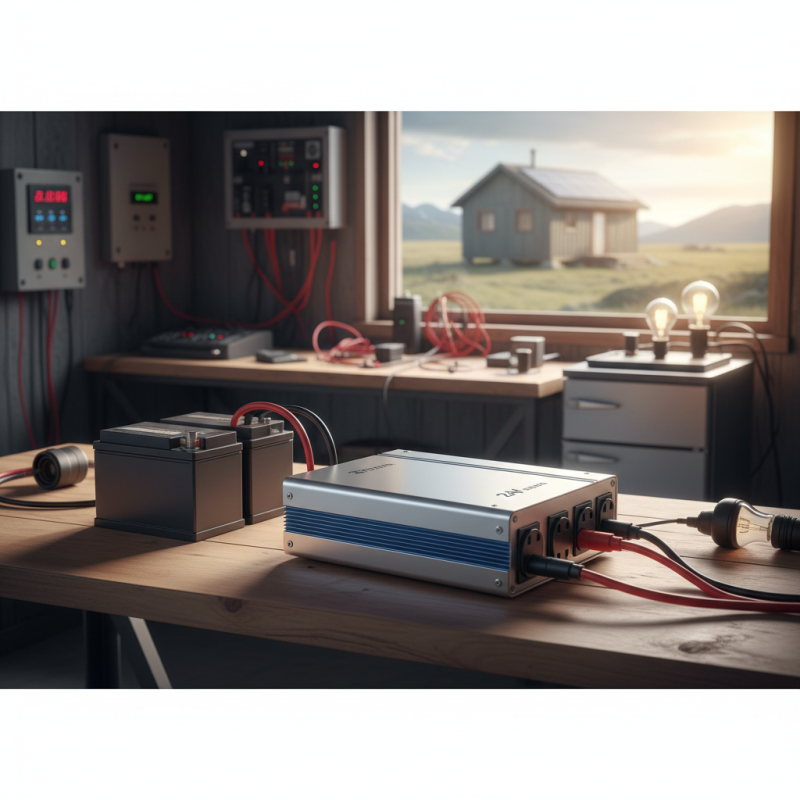
When considering power solutions, an Inverter 24v often stands out. This choice offers flexibility and efficiency. Designed for various applications, it can support everything from home appliances to off-grid systems.
Choosing an Inverter 24v can meet diverse power needs. It provides stability and reliability. Many users appreciate its ability to handle peak loads. However, challenges like sizing and compatibility with existing systems arise. A well-chosen inverter can enhance performance significantly.
Power needs vary from person to person. Each scenario is unique. Some may need a robust system for heavy machinery, while others require a simple backup solution. Reflecting on these needs is crucial for making an informed decision. Balancing power demands with budget constraints can be tough but necessary for maximizing value.
Understanding the Basics of 24V Inverters and Their Functionality
When considering power supply options, 24V inverters provide essential functionality for various applications. These devices convert DC power into AC power, enabling the use of standard electrical appliances. Their ability to supply a stable voltage makes them ideal for many off-grid systems.
A key advantage of 24V inverters is their efficiency. They can handle moderate loads effectively. This makes them suitable for homes, RVs, or boats. Many users notice a reduction in energy consumption. However, one must be careful about load calculations. Underestimating power needs can lead to performance issues.
Installation can be straightforward but might pose challenges. Incorrect wiring can affect overall performance. It’s helpful to visually inspect all connections. Regular maintenance is also important. This can ensure longevity and reliability. Sometimes users ignore this, leading to unexpected failures. Familiarizing oneself with the inverter’s specifications is crucial.
Advantages of Using a 24V Inverter for Energy Conversion
When considering energy conversion, a 24V inverter stands out for its efficiency and reliability. This inverter type is ideal for residential and commercial applications. According to industry reports, 24V inverters boast a conversion efficiency of over 90%. This means less energy is wasted, making them a cost-effective solution for powering homes and businesses.
Using a 24V inverter also allows for easier integration with solar panel systems. Many solar setups operate efficiently on a 24V system. This compatibility enhances overall energy management. Moreover, lower voltage systems generally provide safer operation and reduced shock hazards.
**Tips:** Always check the inverter's specifications before purchase. Understand your power needs clearly. Additionally, consider the available battery options compatible with a 24V inverter. Remember, maintaining your inverter is crucial. Regular inspections can prevent unexpected failures. This proactive approach can save both time and expenses.
Though many benefits exist, it's essential to evaluate the initial investment. A higher upfront cost can deter some users. However, long-term savings often justify this expense. Reflect on your specific energy requirements to make an informed decision.
Why Choose a 24V Inverter for Your Power Needs? - Advantages of Using a 24V Inverter for Energy Conversion
| Advantage |
Description |
Application |
| Higher Efficiency |
24V inverters offer better efficiency in energy conversion than lower voltage inverters. |
Renewable energy systems |
| Increased Power Output |
24V systems can handle more power, making them ideal for larger loads. |
Industrial machines |
| Lower Current Requirements |
Higher voltage reduces the current draw, minimizing heat loss in the wiring. |
Long-distance power distribution |
| Compatibility |
Many appliances and systems are designed to run at 24 volts, making integration easier. |
Home solar installations |
| Safety |
Lower voltage is generally safer and poses less risk of severe electric shock. |
Residential applications |
Applications of 24V Inverters in Various Industries
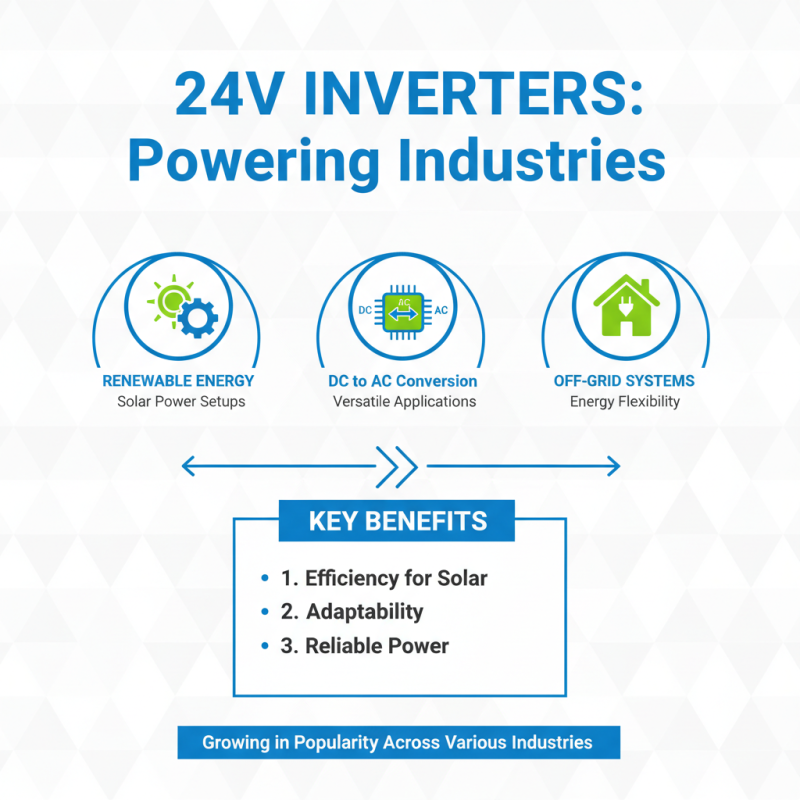
24V inverters are gaining popularity across various industries. Their ability to convert DC power into AC power makes them versatile. These inverters find applications in renewable energy systems, such as solar power setups. They easily handle the energy conversion needed for off-grid systems. This flexibility is crucial for businesses looking to use solar energy efficiently.
In the transportation sector, 24V inverters power electric vehicles and equipment. They support battery systems that require reliable energy for operation. In marine applications, these inverters keep essential systems running while on the water. This includes lighting, navigation, and communication. However, users sometimes overlook the importance of proper sizing and installation. An improperly sized inverter can lead to inefficiencies, causing unexpected downtime.
In the industrial sector, 24V inverters support automation and operational technology. They ensure that machines run smoothly and consistently. However, there are challenges. Devices may experience issues if the inverter does not match the equipment’s requirements. Regular maintenance is often neglected, potentially leading to performance drops. It’s essential to pay attention to these details for optimal operation.
Evaluating Efficiency and Performance of 24V Inverters
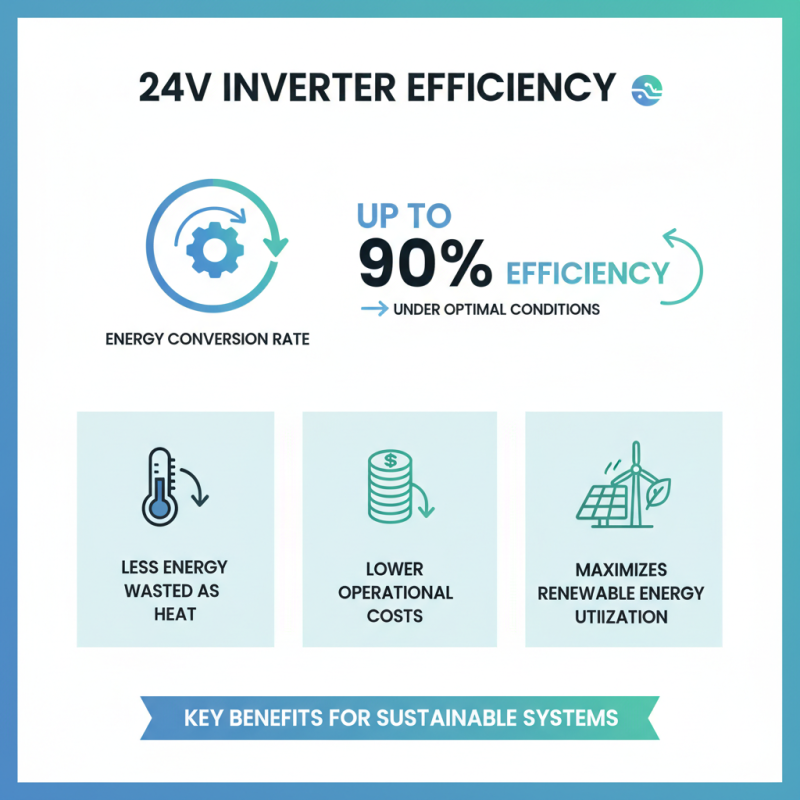
When evaluating the efficiency and performance of 24V inverters, it's crucial to consider their energy conversion rates. Research indicates that many 24V inverters can achieve up to 90% efficiency under optimal conditions. This means less energy is wasted as heat, translating to lower operational costs. The ability to maximize energy utilization is valuable, particularly for renewable energy systems.
Additionally, the performance of 24V inverters can fluctuate based on load conditions and temperature. Some studies show that performance can drop significantly under high loads or extreme temperatures. Monitoring these variables can help users optimize inverter usage. Regular evaluations of the inverter's performance metrics can lead to better decision-making and enhanced reliability.
It's important not to overlook the lifespan of these inverters. Many can last over a decade with proper care. However, users often report issues related to inadequate cooling or maintenance neglect. This raises questions about the balance between investment in higher-end models and ongoing maintenance costs. Understanding these aspects can help users make more informed decisions about their power needs.
Choosing the Right 24V Inverter for Your Specific Power Requirements
When selecting a 24V inverter, understanding your specific needs is essential. Many users overlook the importance of matching their power requirements with the inverter's capabilities. According to industry reports, nearly 40% of users choose inverters that do not align with their energy consumption, leading to inefficiencies.
Power requirements can vary significantly depending on the application. For example, a small off-grid system may only need a few hundred watts, while larger setups could require over 2000 watts. Many users fail to account for surge power demands. It's critical to consider both continuous and peak wattage. Neglecting to check these numbers can result in insufficient power during peak loads, causing devices to malfunction.
Furthermore, 24V inverters provide benefits over other voltage options. They often have better efficiency rates, particularly in medium to high-power applications. Research indicates that systems using 24V can increase efficiency by up to 15%. However, improper sizing remains a common issue. Some consumers assume that a higher wattage model is always better, but that can lead to wasted energy and increased costs. The balance lies in understanding your specific needs and making an informed decision.
Power Output Comparison of 24V Inverters