As the world increasingly shifts towards renewable energy, Solar Hybrid Inverters are becoming essential for modern households. These devices combine solar and grid power, allowing efficient energy management. According to Dr. Emily Green, a leading expert in solar technology, "Solar hybrid inverters are crucial for sustainable energy solutions."
Their adaptability makes them suitable for variable energy demands. Homeowners can store energy for later use, reducing reliance on the grid. However, not all inverters are created equal. Some models may fall short in performance or efficiency.
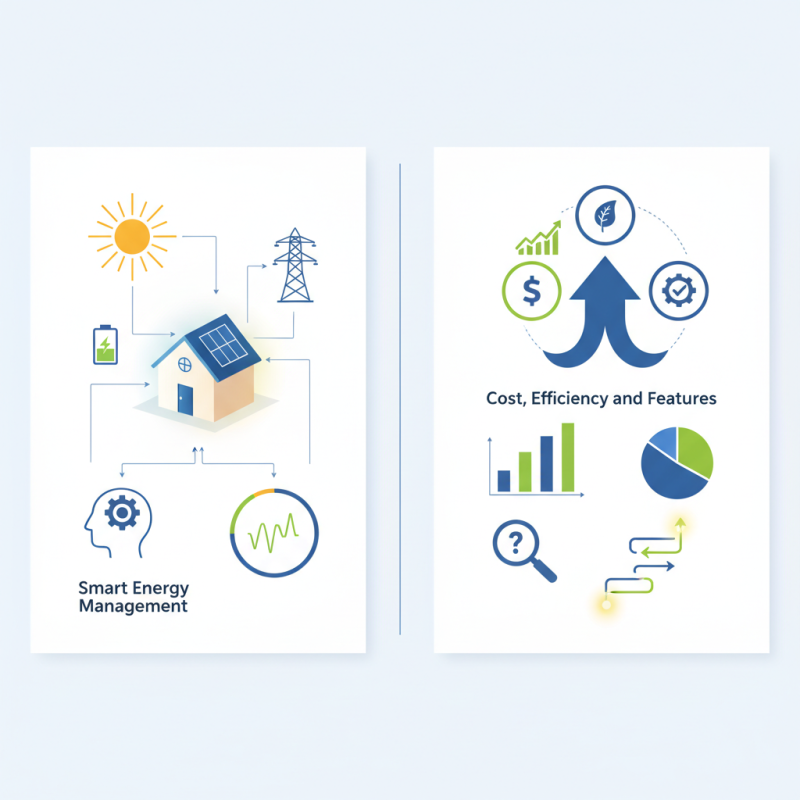
Navigating the options can be daunting. Choosing the right Solar Hybrid Inverter requires understanding specific needs. It’s a process that demands careful consideration. Balancing cost, efficiency, and features often leads to challenging choices. In this evolving landscape, finding the best solutions is more critical than ever.
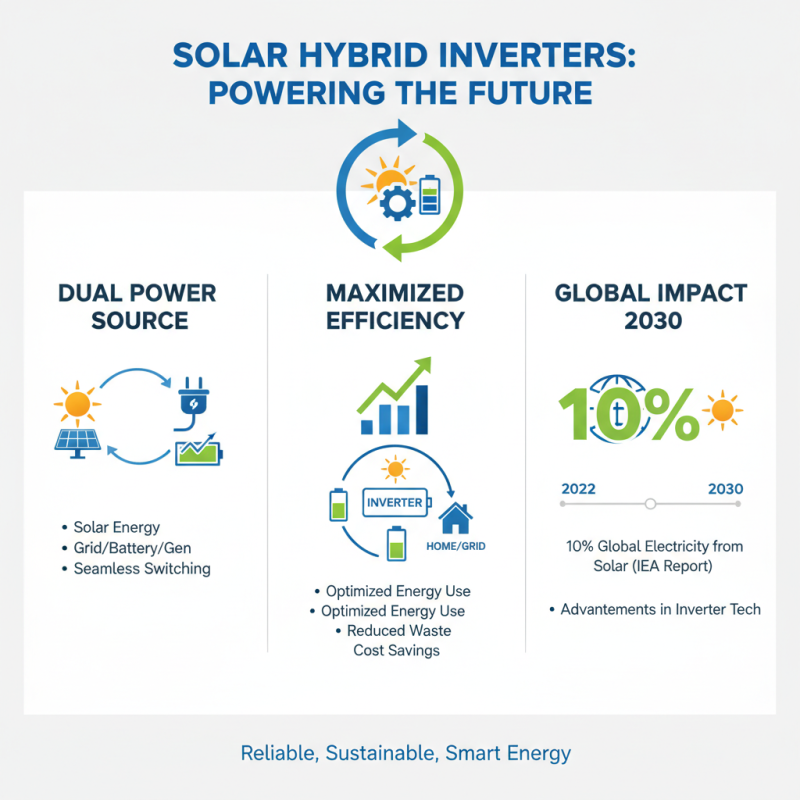
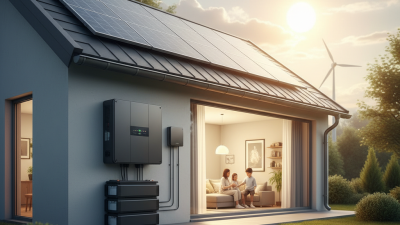
Solar hybrid inverters combine the advantages of solar energy with traditional power sources. These systems can maximize efficiency and provide reliable energy solutions. According to a 2022 report by the International Energy Agency, solar energy could account for 10% of global electricity by 2030. This shift is largely due to advancements in inverter technology.
Hybrid inverters play a critical role in this transition. They allow for seamless energy management between solar, grid, and battery sources. A recent study showed that households using hybrid systems reduced energy costs by up to 30%. These systems also promote energy independence, particularly in remote areas. Users may encounter challenges like compatibility issues with older systems. This is an important factor to consider before installation.
As solar technology improves, hybrid inverters are becoming increasingly efficient. However, the market still faces obstacles, such as the high initial investment required. A 2023 market analysis noted that many consumers hesitated due to upfront costs. This highlights the need for affordable financing options in the renewable energy sector.
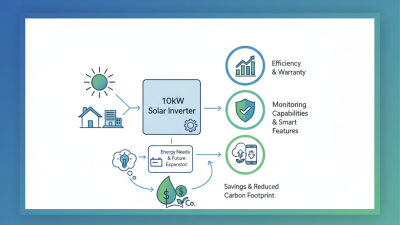
When selecting a solar hybrid inverter, key features play a significant role. Look for an inverter with a high efficiency rating. This ensures maximum energy conversion. A good efficiency rate can lead to lower electricity bills and faster returns on investment. Battery compatibility is crucial too. Not all inverters work with every battery type. Ensure the inverter you choose can integrate seamlessly with your battery system.
Another important aspect is the monitoring capabilities. Many modern inverters come with mobile apps or Wi-Fi connectivity. This feature allows you to track energy production in real-time. It's beneficial to have insights into your energy consumption. Additionally, pay attention to the warranty period. A longer warranty reflects a manufacturer’s confidence in their product. However, be wary of overly complicated warranty conditions. Some warranties can have hidden pitfalls.
Finally, consider future expandability. Energy needs can change over time, requiring more capacity. Choose an inverter that can accommodate future upgrades. That said, not all models have clear upgrade paths. Some may limit your options. Always research thoroughly before making a decision. Your choice should not just meet current needs but also align with future sustainability goals.
When considering solar hybrid inverters, efficiency and performance are crucial factors. These devices combine solar power and grid energy, allowing for greater flexibility. An efficient inverter can significantly reduce electricity bills while maximizing solar energy usage. Many models offer advanced features, which can sometimes be overwhelming.
Performance varies greatly among different inverters. Some might boast high efficiency ratings but lack reliability. In real-world applications, it’s essential to research how well these inverters perform under various conditions. Real user experiences reveal mixed results, with some inverters excelling in sunny climates while struggling in cloudy areas. Balancing efficiency with durability can be challenging.
Another aspect to consider is the inverter’s ability to handle energy storage. Some models integrate seamlessly with battery systems, providing backup power. However, others may not support certain battery types, complicating installations. It’s vital to evaluate not only efficiency ratings but also compatibility with your existing setup. Each inverter has its strengths and weaknesses, which require careful consideration.
When considering solar hybrid inverters, price plays a crucial role. The initial cost can vary significantly based on features and capacity. Typically, a reliable solar hybrid inverter will range from a few hundred to several thousand dollars. Evaluating your energy needs can help narrow down your options. It's essential to factor in installation costs, which might not be included in the inverter price.
Return on investment (ROI) is another critical aspect. Many users report savings on their energy bills within a few years. However, these savings depend on local electricity rates and incentives. Some areas offer rebates for solar installations, improving ROI. You may find it beneficial to calculate how long it will take for savings to cover initial expenses.
Tips: Always ask for a detailed breakdown of costs. This will help you understand where your money is going. Also, consider the future: how much energy might you need down the line? Planning ahead can prevent regrets later. Additionally, read user reviews and case studies. They may reveal potential issues or hidden benefits.
| Rank | Inverter Type | Max Output Power (kW) | Efficiency (%) | Cost (USD) | Return on Investment (Years) |
|---|---|---|---|---|---|
| 1 | Hybrid | 5 | 95 | 1500 | 4 |
| 2 | Grid-Tied | 6 | 97 | 1800 | 5 |
| 3 | Off-Grid | 4 | 92 | 1300 | 6 |
| 4 | Multi-Mode | 5.5 | 94 | 1600 | 4.5 |
| 5 | Battery-Based | 7 | 96 | 2000 | 5.5 |
| 6 | All-in-One | 6.5 | 93 | 1700 | 4.2 |
| 7 | Stackable | 4.5 | 91 | 1400 | 6.5 |
| 8 | Smart Hybrid | 8 | 98 | 2500 | 4.8 |
| 9 | Advanced | 9 | 95 | 3000 | 5.2 |
| 10 | Residential | 4 | 92 | 1200 | 6.8 |
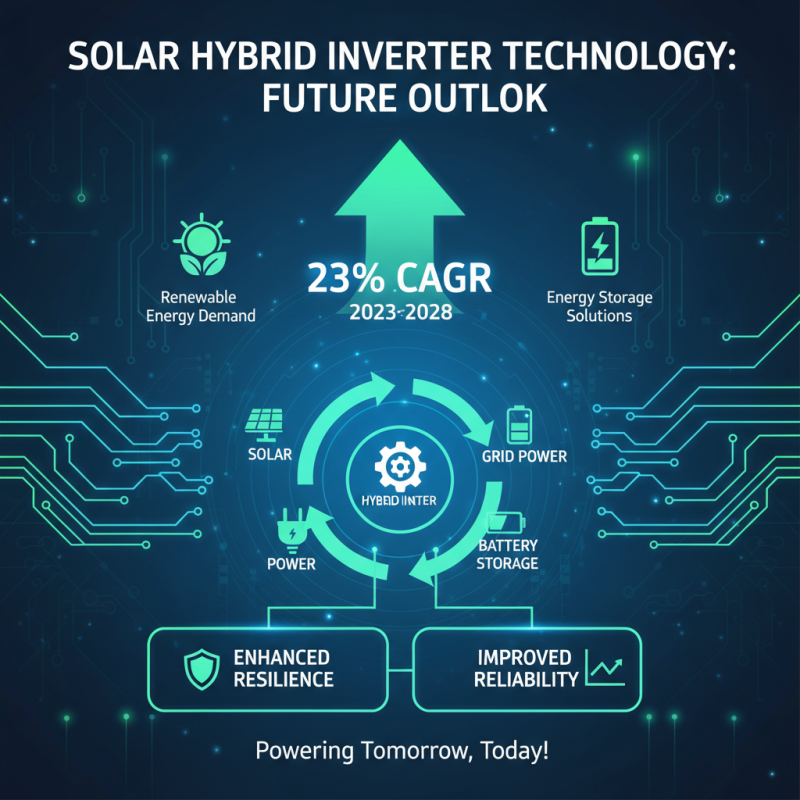
The future of solar hybrid inverter technology looks promising. The market is expected to witness a compound annual growth rate (CAGR) of around 23% from 2023 to 2028. This growth is driven by increasing demand for renewable energy and energy storage solutions. The ability to combine solar energy with traditional power sources enhances resilience and reliability.
Many homes and businesses are now seeking more efficient energy solutions. Solar hybrid inverters are integral for this transition. They enable users to manage energy flows effectively, optimizing both grid and off-grid capabilities. A 2022 market report indicated that more than 50% of new solar installations now include hybrid systems.
Tips: When selecting a solar hybrid inverter, consider factors like efficiency ratings and battery compatibility. Keep an eye on industry innovations; new features arise frequently. Clean energy technology evolves rapidly, and staying informed ensures optimal choices for your energy needs. Don’t overlook the importance of customer feedback; user experiences often highlight potential shortcomings.