Leave Your Message

China Best Deye 12kW Hybrid Inverter for Global Buyers?

Choosing the best Deye 12kw hybrid inverter requires more than comparing rated output or online prices. Global buyers need a system that matches local voltage, battery chemistry, solar array size, and installation conditions. A unit that performs well in a dry Australian shed may need different protection in a humid coastal warehouse. That practical difference matters.

Energy analyst Michael Barnard has written, “The grid is the biggest battery we have.” His observation offers useful context for evaluating the Deye 12kw. A hybrid inverter must coordinate solar panels, batteries, household loads, and the utility grid without creating unnecessary complexity. Its value depends on how reliably those parts work together.

This guide examines the Deye 12kw through an experienced buyer’s lens. We will consider output capacity, backup operation, battery compatibility, monitoring, efficiency, and installation support. Real performance depends on more than the nameplate. Cable sizing, ventilation, firmware settings, and commissioning quality can change the result.

A 12-kilowatt rating sounds powerful. It is not unlimited.

Buyers should also verify regional certification, warranty terms, communication protocols, and qualified installer availability before ordering. These details can be easy to overlook, especially when purchasing across borders. We will also discuss where the Deye 12kw may be an excellent fit, and where another inverter could be more sensible. No product is perfect. A careful comparison should reveal both strengths and uncomfortable limitations.
China Best Deye 12kW Hybrid Inverter for Global Buyers?

What Is the Deye 12kW Hybrid Inverter?

A 12kW hybrid inverter is a power management unit for homes, workshops, and small commercial sites.

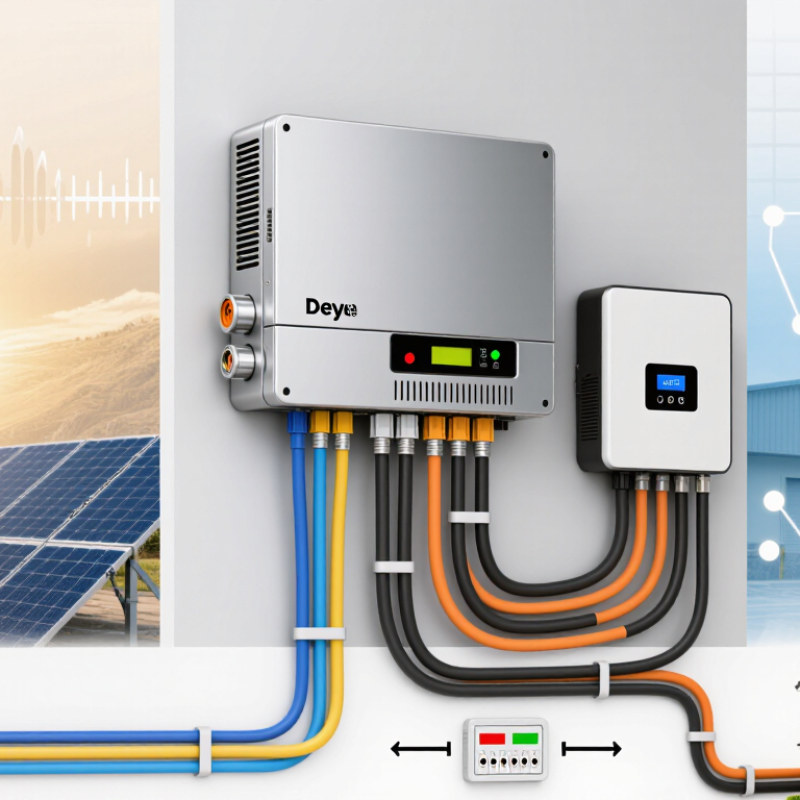
It converts solar energy from panels into usable alternating current. It can also charge a battery and draw electricity from the grid when needed. During an outage, it may supply selected backup circuits through a properly installed transfer system.

The 12kW rating describes its maximum continuous output under suitable conditions. Real performance depends on temperature, battery voltage, solar array size, and installation quality.

In field commissioning, technicians should check cable sizing, grounding, ventilation, and protection devices before energizing the system. A clear monitoring screen can show solar production, battery state, household demand, and grid exchange.

That detail helps operators find unusual overnight consumption or weak battery charging. Small things matter.

A reliable hybrid inverter should support safe shutdown functions, overload protection, battery communication, and settings suitable for local electrical rules. Buyers should review independent test reports and certification documents, not only sales claims.

Compatibility also deserves attention. Some batteries communicate smoothly, while others require manual settings or additional equipment.

I have seen installations perform poorly because the battery was technically connected but incorrectly configured. The inverter was not the only problem.

Professional commissioning remains essential, especially when high loads such as pumps, heaters, or workshop tools start suddenly.
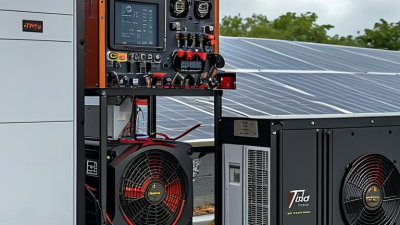
Key Specifications and Core Operating Features

A 12kW hybrid inverter can support demanding homes, small workshops, and light commercial sites. Its rated output should be checked against peak loads, not only daily consumption. Motor-driven pumps and compressors may require higher starting power. That detail is often overlooked.

Key specifications include maximum photovoltaic input, MPPT voltage range, battery voltage, charge current, and backup output capacity. Multiple MPPT trackers can improve performance when roof sections face different directions. Conversion efficiency matters too, especially during long operating periods. Confirm the exact phase configuration before installation. It varies between models. Communication ports may support monitoring, smart meters, and battery management systems. A durable enclosure and suitable ingress protection are important for dusty or humid locations. However, published figures are not enough. Cable length, ambient temperature, and installation quality can reduce real-world performance.

Tips: Leave ventilation space around the inverter. Use correctly sized cables and protective devices. Test backup switching with representative household loads. Record battery settings carefully. A rushed setup can create avoidable faults. Review local electrical requirements with a qualified installer, because compliance details differ by region. Also, do not assume every battery is compatible. Check voltage limits, communication protocols, and warranty conditions first. In practice, the best configuration may not be the largest one. A smaller battery bank or limited solar array can make a 12kW system feel less capable than expected.

How the Deye 12kW Hybrid Inverter Manages Solar Power

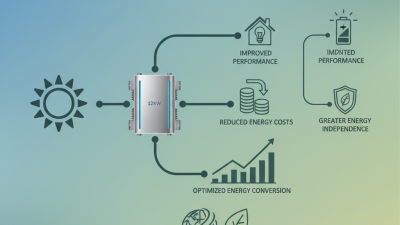
A 12kW hybrid inverter acts as the traffic controller for a modern solar power system. It receives electricity from solar panels, batteries, and the utility grid. During bright midday hours, it can supply household loads directly from solar energy. Extra power can charge the battery instead of being wasted. That simple sequence reduces grid dependence.

When clouds pass, the inverter adjusts power flow within seconds. Its MPPT channels track panel output and help maintain stable production. Separate tracking can improve performance when roof sections face different directions. For example, one section may receive morning sunlight while another performs better after noon. At night, stored battery energy can support lighting, refrigeration, and communication equipment. Critical circuits stay active.

Configuration demands more attention than the rated output suggests. Installers should match battery voltage, discharge limits, cable size, and protection devices carefully. A clamp meter can reveal unexpected current during commissioning. Clear battery reserve settings also prevent excessive discharge during long cloudy periods. In real installations, the first setting is rarely perfect. I have seen owners choose a high backup reserve, then discover that usable evening energy feels limited. That choice was safe, but not practical for their daily pattern. Load measurements and seasonal review make the system more dependable.

China Best Deye 12kW Hybrid Inverter for Global Buyers? - How the Deye 12kW Hybrid Inverter Manages Solar Power

Technical and energy-management reference for a 12 kW three-phase, low-voltage hybrid solar inverter system

Category Parameter Reference Data Practical Application
AC Output Nominal continuous output power 12 kW Supports simultaneous operation of household, commercial, and light industrial loads up to the inverter’s continuous rating.
AC Output Typical three-phase voltage 380–400 V AC Suitable for regions using standard three-phase low-voltage distribution networks.
AC Output Nominal frequency 50/60 Hz The operating frequency must be configured to match the local utility grid.
Solar Input Recommended maximum PV array size Approximately 15.6 kWp Moderate PV oversizing can improve morning, afternoon, and low-irradiance energy capture while the inverter limits AC output to 12 kW.
Solar Input Maximum PV voltage Typically up to 1,000 V DC The actual string voltage must remain below the inverter limit at the lowest expected site temperature.
Solar Input Maximum PV operating current Typically about 26 A per MPPT PV module short-circuit current and operating current should be checked against the selected MPPT input limits.
Solar Input Maximum power-point trackers 2 independent MPPT channels Separate roof orientations or different string lengths can be managed more effectively than with a single tracker.
Battery Battery chemistry compatibility 48 V lithium-ion or lead-acid systems Battery voltage, battery-management communication, protection settings, and charging limits must be compatible with the storage system.
Battery Typical battery voltage window Approximately 40–60 V DC The battery must remain within its permitted voltage range during charging, discharging, and standby operation.
Battery Approximate DC current at full output About 250 A at 48 V A 12 kW AC output requires approximately 250 A of ideal DC input at 48 V; real systems require additional allowance for conversion losses and transients.
Energy Management Priority operating sequence Solar → loads → battery → grid Available solar energy can supply local loads first, charge the battery next, and export or curtail surplus energy according to the configured mode.
Energy Management Backup operation Available when a protected-load output is installed Critical circuits can continue operating during a grid outage, subject to battery state of charge and backup-load limits.
Energy Management Time-of-use control Programmable charging and discharging periods The battery can be charged during low-price periods and discharged during high-demand or high-price periods where local regulations permit.
Performance Typical peak conversion efficiency Up to approximately 97% Actual efficiency varies with load level, battery voltage, temperature, wiring, and operating mode.
Protection Common electrical protections Overcurrent, overvoltage, short-circuit, overtemperature, and anti-islanding Protection functions help isolate abnormal conditions, but external breakers, surge protection, grounding, and installation compliance remain necessary.
Environmental Typical enclosure protection level IP65-class outdoor protection Suitable for sheltered outdoor or indoor installation when temperature, humidity, ventilation, and local installation requirements are respected.
Energy Estimate Illustrative daily solar production About 48 kWh/day Example calculation: 12 kWp array × 5 peak-sun-hours × 0.80 system factor. Actual production depends on location, weather, shading, orientation, and system losses.
Installation Recommended design checks Voltage, current, cable size, breakers, grounding, and thermal clearance A qualified installer should verify electrical calculations and local grid-code requirements before commissioning.

Note: Values marked as typical or approximate are planning references for a 12 kW hybrid inverter system. Final electrical limits, certifications, grid compatibility, and battery settings must be confirmed against the exact product datasheet and local regulations.

Installation Requirements and System Compatibility

A 12 kW hybrid inverter can suit large homes, workshops, and small commercial sites. However, output power alone does not confirm system compatibility. IRENA’s Renewable Capacity Statistics 2024 recorded 1,419 GW of global solar capacity at the end of 2023. This rapid expansion makes correct installation planning increasingly important.

Check the local grid code, phase arrangement, frequency, and permitted export limit before purchasing. Confirm the inverter’s maximum PV voltage, MPPT range, short-circuit current, and approved battery voltage. The battery management system must communicate correctly with the inverter. Cable size, ventilation, enclosure rating, earthing, and overcurrent protection also require professional review. A 12 kW unit may need three-phase service, depending on the country. That assumption can be costly.

The IEA’s Renewables 2024 report stated that renewable capacity additions reached about 510 GW in 2023, with solar providing most growth. Yet installation quality still varies widely. An experienced electrician should verify anti-islanding protection, backup-load separation, and utility approval. Testing should include insulation resistance, polarity, battery shutdown, and transfer performance. Small mistakes matter.

Tips: Leave clear service space around the inverter. Avoid direct afternoon heat and flood-prone walls. Compare the battery’s continuous discharge rating with actual loads. Do not size cables from distance alone; temperature and installation method also affect performance. Record settings, test results, and firmware versions for future maintenance.

How Global Buyers Can Evaluate Suppliers and After-Sales Support

For global buyers, evaluating a 12kW hybrid inverter supplier requires more than comparing prices. Ask for factory registration, production photos, quality-control procedures, and recent test reports relevant to your destination market. A reliable supplier should explain battery compatibility, grid settings, protection functions, and expected efficiency in clear language.

Request a sample unit before placing a large order. Test it with your actual load profile, including pumps, refrigeration, or motor-based equipment. Check the manual carefully. Missing wiring details can create expensive delays during installation. Confirm warranty length, coverage limits, replacement procedures, and who pays shipping for defective parts. Get every promise in writing.

After-sales support often separates a dependable supplier from an attractive seller. Ask how quickly technicians answer installation questions and whether remote diagnostics are available. Confirm spare-parts stock, firmware procedures, and training for local installers. Speak with two existing buyers, preferably from markets with similar grid conditions. A polished website proves little. Slow replies are a warning sign.

One practical mistake is trusting a long warranty without checking its process. A ten-year promise may still involve complicated approvals, unavailable parts, or unclear exclusions. Suppliers should provide serial-number tracking and a clear service contact. Buyers should also review local certification and import requirements with qualified professionals, because requirements differ between countries and can change.