Top 10 Benefits of Using Off Grid Inverters for Your Energy Independence
In the pursuit of energy independence, many individuals and businesses are turning to innovative solutions that allow them to harness renewable resources effectively. One such solution is the Off Grid Inverter, which plays a crucial role in managing power generated from sources like solar panels and wind turbines. These inverters facilitate the conversion of direct current (DC) to alternating current (AC), enabling users to power their homes and appliances without relying on traditional power grids.
The benefits of using an Off Grid Inverter extend far beyond mere energy generation. They empower users to take control of their energy consumption and reduce their reliance on non-renewable energy sources. This shift not only promotes sustainability but also encourages a significant reduction in utility costs over time. Furthermore, Off Grid Inverters provide an added layer of energy security, especially in remote areas where access to grid power may be unreliable or unavailable.
As we explore the top ten benefits of using Off Grid Inverters, we will uncover how these innovative devices can revolutionize the way we generate and use energy, paving the way for a more sustainable and independent future. From cost savings to environmental impact, the advantages of embracing Off Grid Inverters are numerous and compelling, making them an attractive option for anyone looking to enhance their energy independence.
Understanding Off Grid Inverters and Their Functionality
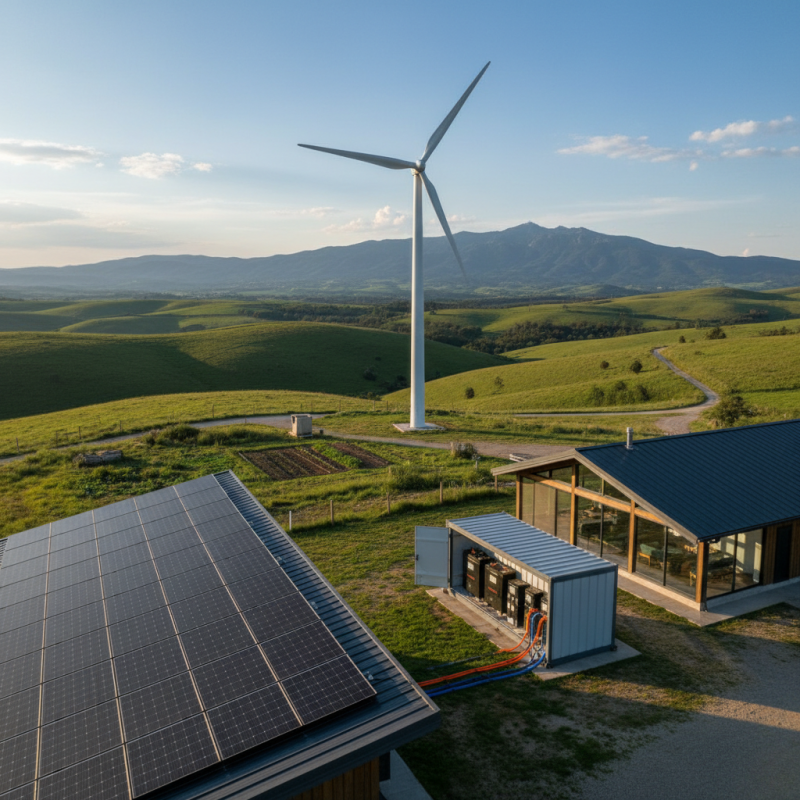
Off-grid inverters play a crucial role in facilitating energy independence by converting direct current (DC) from renewable energy sources, such as solar panels, into alternating current (AC) for household use. These inverters are designed to function independently of the traditional grid, allowing users to harness and utilize energy generated on-site. By managing the flow of energy from storage batteries, off-grid inverters ensure that households can rely on their generated power even when natural light is low or during peak demand periods.
One significant feature of off-grid inverters is their ability to provide seamless energy conversion and management. They include built-in features such as maximum power point tracking (MPPT), which optimizes the energy harvest from solar panels, and automated switching between various energy sources. This functionality enhances the efficiency of energy use, reduces dependency on external power sources, and supports sustainable living practices. Off-grid inverters empower users by offering complete control over their energy production and consumption, ultimately achieving a self-sufficient lifestyle.
Key Advantages of Energy Independence Through Off Grid Systems
Energy independence is becoming increasingly critical as more individuals and communities seek sustainable solutions to meet their power needs.
Off-grid inverters play a pivotal role in this transition by enabling users to harness renewable energy sources such as solar and wind.
According to a report by the International Renewable Energy Agency (IRENA), off-grid renewable energy systems could provide an estimated 1.3 billion people access to electricity by 2030, highlighting the importance of developing self-sufficient energy systems that minimize reliance on traditional utility grids.
One of the key advantages of off-grid systems is their ability to enhance resilience against power disruptions. A report by the U.S. Department of Energy indicates that in recent years, power outages have increased by over 30%, driven by extreme weather events and aging infrastructure.
By utilizing off-grid inverters, users can generate and store their own energy, ensuring a stable supply even during grid failures. This independence not only contributes to energy security but also promotes economic stability by mitigating the financial risks associated with fluctuating energy costs, as per findings in the Global Energy Statistics report.
Moreover, off-grid systems offer the dual benefit of environmental sustainability. Transitioning to renewable sources helps reduce carbon footprints significantly. The Carbon Trust reports that solar energy alone has the potential to reduce CO2 emissions by up to 50% compared to fossil fuel-based energy. As a result, individuals and businesses opting for off-grid inverters not only gain energy independence but also contribute positively to the planet, reinforcing the global shift towards cleaner energy solutions.
Enhanced Reliability and Resilience with Off Grid Inverters
Off-grid inverters are instrumental in creating a more reliable and resilient energy system, particularly for those seeking energy independence. By utilizing off-grid inverters, individuals can tap into renewable energy sources such as solar and wind, reducing their reliance on external utilities. This capability is especially beneficial during natural disasters or power outages when traditional power grids may falter. With an off-grid inverter, your energy supply remains consistent, allowing you to maintain control over your power needs regardless of external circumstances.
Moreover, off-grid inverters enhance resilience by enabling users to store excess energy generated during peak production times. This stored energy can be accessed during periods of low generation, ensuring that essential appliances and systems remain operational. The ability to harness energy in this way not only improves self-sufficiency but also reduces vulnerability to fluctuating energy prices and supply interruptions. By investing in off-grid inverters, you are not only gaining enhanced reliability but also paving the way toward a sustainable and independent energy future.
Top 10 Benefits of Using Off Grid Inverters
Cost Savings Associated with Off Grid Energy Solutions
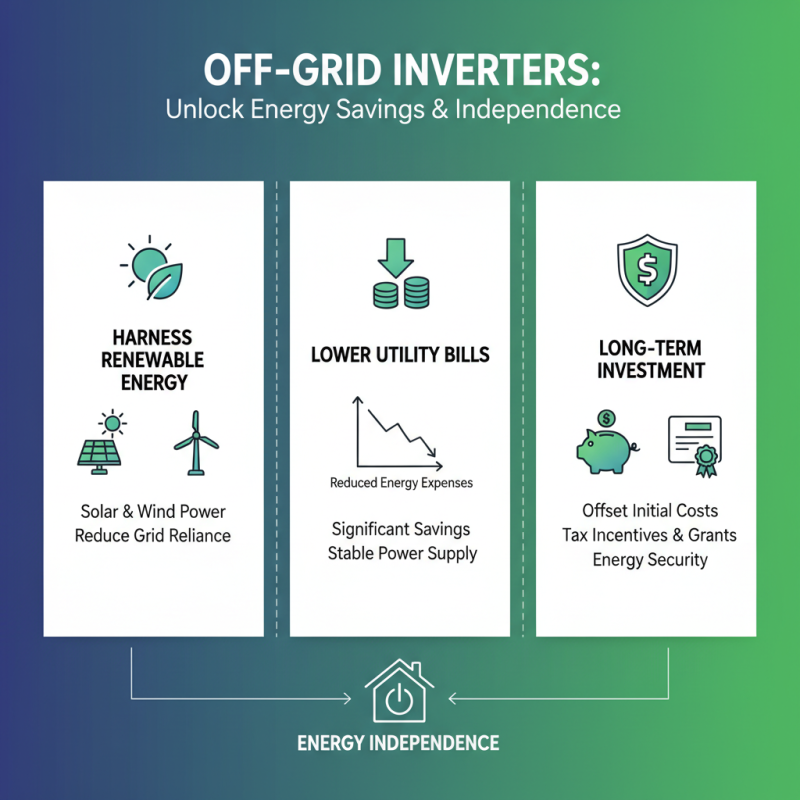
Off-grid inverters are essential components for those seeking energy independence, providing several cost-saving benefits that make them an attractive option. By harnessing renewable energy sources such as solar or wind, homeowners can significantly reduce their reliance on traditional energy providers, leading to lower utility bills. The initial investment in off-grid systems can be offset in the long run through reduced energy expenses, as well as potential tax incentives and grants available for renewable energy projects.
When considering an off-grid inverter, it is wise to evaluate the efficiency of the system. Higher efficiency inverters convert more of the generated energy into usable power, maximizing savings over time. Additionally, incorporating energy storage solutions like batteries can further enhance cost efficiency by allowing users to store excess energy for later use, thus minimizing the need to purchase energy during peak pricing hours.
Tips for maximizing cost savings include regularly maintaining your inverter and associated systems to ensure optimal performance. Monitoring energy consumption patterns can also help identify areas for potential savings. Lastly, investing in energy-efficient appliances and minimizing energy waste will complement the benefits of going off-grid, ultimately leading to greater financial independence and sustainability.
Environmental Benefits of Adopting Off Grid Inverter Technology
The decision to adopt off-grid inverter technology comes with significant environmental benefits that contribute to energy independence. First and foremost, using off-grid inverters reduces reliance on fossil fuels, which are a major contributor to greenhouse gas emissions. By harnessing renewable energy sources such as solar power, users can significantly minimize their carbon footprint and help combat climate change. This shift not only promotes cleaner air and water but also supports the sustainability of our planet for future generations.
In addition to lowering emissions, off-grid inverters enable energy self-sufficiency, which means less strain on local energy grids. This decentralization of energy production can lead to reduced transmission losses and lower overall energy consumption. As communities adapt to renewable energy solutions, we can expect to see a positive ripple effect that encourages further investments in green technologies and infrastructure.
Tips for maximizing the environmental benefits of off-grid inverters include maintaining your solar panels to ensure optimal performance, using energy-efficient appliances to reduce overall consumption, and considering battery storage to make the most of your renewable energy production. Additionally, educating yourself on local resources for renewable energy solutions can further enhance your eco-friendly efforts. By becoming more energy-independent with off-grid inverters, you’re not just investing in your own future but also contributing to a healthier planet.
Top 10 Benefits of Using Off Grid Inverters for Your Energy Independence - Environmental Benefits of Adopting Off Grid Inverter Technology
| Benefit |
Description |
Environmental Impact |
| Energy Autonomy |
Provides independence from utility companies by generating your own power. |
Reduces reliance on fossil fuels. |
| Reduction of Carbon Footprint |
Utilizes renewable energy sources, such as solar and wind. |
Decreases greenhouse gas emissions. |
| Lower Energy Bills |
Decreases overall energy costs by using free solar or wind power. |
Encourages sustainable energy usage. |
| Grid Stability |
Reduces demand on the public grid, especially during peak times. |
Lessens strain on natural resources for energy production. |
| Less Energy Waste |
Encourages efficient energy storage and usage practices. |
Minimizes environmental degradation caused by excess energy production. |
| Resilience during Outages |
Maintains power during grid failures, enhancing energy security. |
Promotes a diversified energy resource approach. |
| Wildlife Protection |
Less disruption to ecosystems compared to conventional energy sources. |
Encourages biodiversity through reduced habitat destruction. |
| Sustainable Development |
Supports long-term ecological balance and economic growth. |
Promotes renewable energy infrastructure. |
| Enhanced Property Values |
Home values increase with the presence of renewable energy solutions. |
Encourages community investment in green technology. |
| Global Impact |
Contributes to global efforts in combating climate change. |
Promotes international sustainability initiatives. |