What are the Benefits of Using a 100 Kwh Battery?
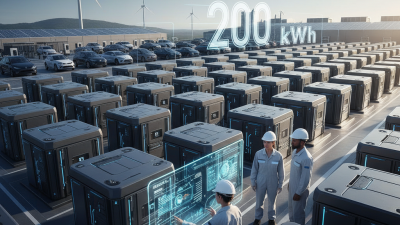
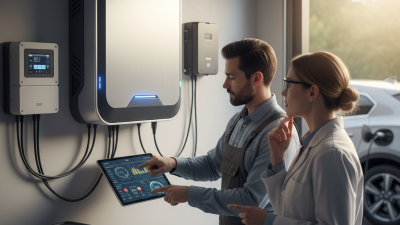
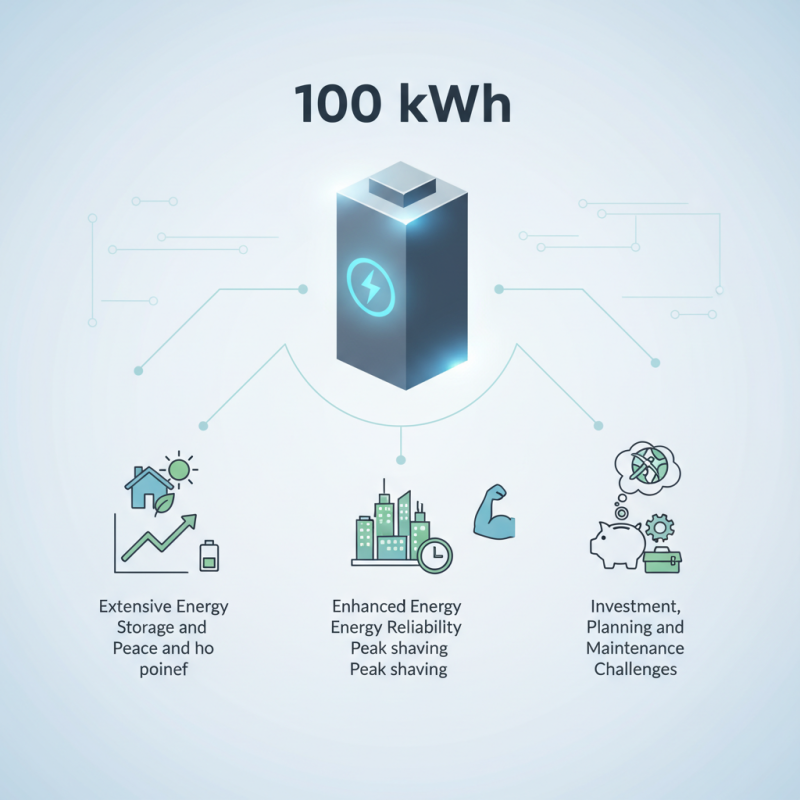
The use of a 100 Kwh Battery is transforming the energy landscape. With its substantial capacity, this battery offers numerous advantages for both residential and commercial applications. It allows for extensive energy storage, making it ideal for renewable energy systems. Many people find peace of mind knowing they can store excess solar energy for later use.
Moreover, a 100 Kwh Battery enhances energy reliability. In times of peak consumption, this battery can supply power when the grid is under stress. However, relying on a single large battery also invites discussions about its sustainability and the environmental impact of lithium extraction.
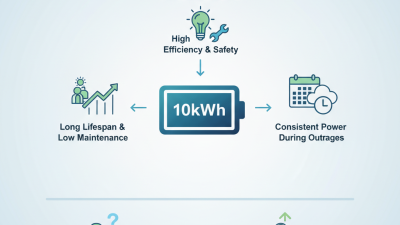
Additionally, transitioning to a 100 Kwh Battery system requires careful planning and investment. Users may face challenges in integration and maintenance. Reflecting on these factors provides a clearer picture of their long-term benefits. Overall, the 100 Kwh Battery represents both opportunities and considerations that demand thoughtful evaluation.
Benefits of a 100 Kwh Battery in Energy Storage Solutions
The integration of a 100 Kwh battery into energy storage solutions offers significant advantages. These batteries are particularly effective in residential and commercial applications. According to the International Energy Agency, large-scale battery systems can store renewable energy efficiently. This boosts energy reliability, especially when solar or wind production is low.
The capacity of 100 Kwh allows for substantial energy storage. A single battery can power a household for several days during outages. This is crucial in regions with unstable energy supply. Moreover, the potential cost savings from peak shaving cannot be overlooked. Batteries discharge energy during high-demand periods, helping reduce electricity bills.
However, there are challenges. The initial investment in such systems is considerable. Not every household can afford it. Additionally, the lifespan of a battery affects long-term value. A study by the National Renewable Energy Laboratory suggests batteries typically last 10 to 15 years. Maintenance and potential replacements can add hidden costs. Therefore, careful planning is essential. Overall, while a 100 Kwh battery presents clear benefits, users must weigh these against upfront costs and sustainability.
Enhanced Efficiency and Performance in Electric Vehicles with 100 Kwh Batteries
The introduction of 100 kWh battery packs has significantly transformed electric vehicles (EVs). These high-capacity batteries offer enhanced range and performance, allowing drivers to travel longer distances.
According to a study by the International Energy Agency (IEA), EVs with larger batteries can cover over 300 miles on a single charge. This extended range reduces the anxiety often associated with battery life.
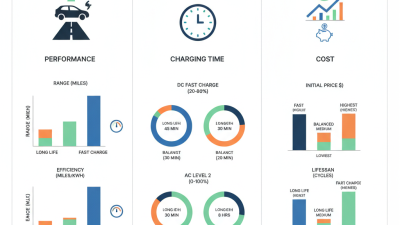
Furthermore, a 100 kWh battery improves charging efficiency. Faster charging times mean less downtime for drivers. Research suggests that a larger battery can charge 30-40% quicker than smaller counterparts. This is critical for urban users who need quick top-ups during the day. However, the weight of larger batteries can impact vehicle dynamics. Heavy batteries might affect acceleration and handling, raising valid concerns.
Another aspect to consider is cost. Higher-capacity batteries are expensive. The price of lithium-ion batteries has dropped steadily, yet the investment remains significant. It forces manufacturers to balance costs with performance gains. Thus, weighing the benefits and drawbacks carefully is essential for both producers and consumers alike.
Cost Savings and Economic Advantages of Utilizing 100 Kwh Batteries
Utilizing a 100 kWh battery can bring substantial cost savings to residential and commercial users. According to the U.S. Department of Energy, battery storage can reduce electricity bills by 30 to 50%, particularly in regions with high energy costs. These batteries can store energy during off-peak hours when electricity rates are lower, giving users the power to use stored energy when rates spike. This strategy not only saves money but also stabilizes energy demands throughout the day.
In addition to direct financial benefits, utilizing 100 kWh batteries can enhance energy reliability. California, for instance, has incentivized battery adoption, leading to reduced reliance on grid power during peak demand. A report from the Rocky Mountain Institute found that battery storage could save the state approximately $1 billion annually by alleviating congestion and reducing the need for new power plants. However, while the potential is significant, the initial investment can be steep, raising concerns for many consumers.
Environmental advantages also play a role in the economic equation. By enabling the use of renewable energy sources, such as solar or wind, these batteries contribute to reducing the carbon footprint. However, the sustainability of battery materials presents a challenge. Mining for essential components like lithium can have detrimental environmental impacts. Thus, while there are clear advantages, careful consideration of the full lifecycle of battery solutions is necessary. Balancing costs, environmental impact, and energy reliability remains an ongoing conversation in the industry.
What are the Benefits of Using a 100 Kwh Battery? - Cost Savings and Economic Advantages of Utilizing 100 Kwh Batteries
| Benefit |
Description |
Estimated Annual Savings |
| Reduced Electricity Costs |
Storing electricity during off-peak hours and using it during peak hours can reduce overall energy costs. |
$1,200 |
| Demand Charge Management |
Minimizing demand charges by discharging stored energy during peak demand periods. |
$900 |
| Backup Power Supply |
Ensures continuous power supply during outages, reducing costs associated with power interruptions. |
$500 |
| Potential Incentives |
Eligibility for government incentives or rebates for renewable energy storage investments. |
$300 |
| Increased Energy Independence |
Reduces reliance on the grid and increases the proportion of self-generated solar or wind energy used. |
$700 |
Environmental Impact Reduction through the Adoption of 100 Kwh Batteries
The adoption of 100 kWh batteries can significantly reduce environmental impact. According to the International Energy Agency, large-scale batteries can mitigate greenhouse gas emissions. With a capacity of 100 kWh, these batteries store enough energy to power homes for several days. This could lower reliance on fossil fuels for electricity.
Transitioning to 100 kWh batteries also promotes cleaner energy sources. Solar and wind power integration is made easier with large storage solutions. Research from BloombergNEF indicates that battery storage can increase renewable energy usage by up to 30%. This shift reduces air pollution and reliance on non-renewable energy sources.
However, the production and disposal of batteries present challenges. Mining for lithium, cobalt, and nickel can disrupt ecosystems. Furthermore, recycling processes are not yet efficient enough. Addressing these issues is crucial for a genuinely sustainable approach to energy storage. Yet, the potential benefits of using 100 kWh batteries in reducing carbon footprints are compelling.
Environmental Impact Reduction through the Adoption of 100 Kwh Batteries
Versatility and Applications of 100 Kwh Battery Systems in Various Industries
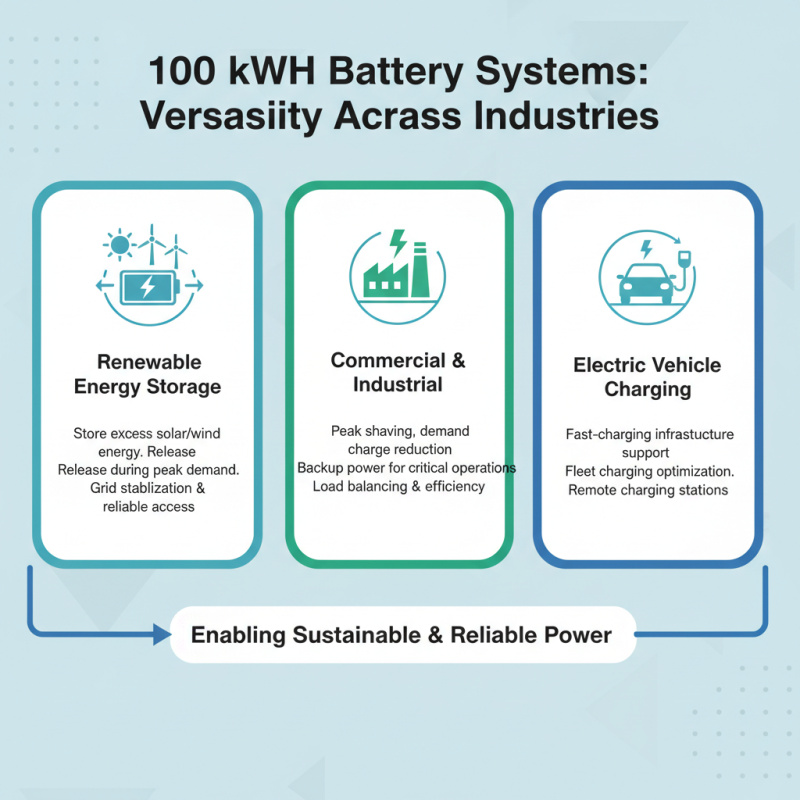
The versatility of a 100 kWh battery system opens doors across various industries. In renewable energy, these batteries play a crucial role in energy storage. They can store excess energy generated from solar and wind sources. This stored energy can be released during peak demand. It helps in stabilizing the grid and ensures reliable energy access.
In transportation, 100 kWh batteries are often used in electric vehicles. They provide a long driving range, making EVs more appealing to consumers. However, charging infrastructure still needs improvement. It poses a challenge for widespread adoption. In industrial applications, these batteries support backup power solutions. They are used in critical services, such as hospitals and data centers.
Despite their numerous benefits, there are challenges. The initial cost of implementing 100 kWh battery systems is significant. This might deter some industries from integrating them. Additionally, recycling and disposal methods for these batteries pose environmental concerns. Addressing these issues is essential for realizing the full potential of 100 kWh battery systems.