Top 5 Benefits of Using a 3 Phase Hybrid Inverter for Energy Efficiency
In today's world, where energy efficiency and sustainability are increasingly prioritized, the adoption of advanced technologies plays a crucial role in optimizing energy consumption. One such technology that is gaining traction is the 3 Phase Hybrid Inverter. This innovative device combines the benefits of both traditional inverters and solar energy systems, offering a versatile solution for residential and commercial applications. As energy demands grow, the efficiency and reliability of power systems become paramount, and the 3 Phase Hybrid Inverter stands out as a significant contributor to achieving these goals.
The 3 Phase Hybrid Inverter not only enhances the performance of energy systems but also enables users to harness renewable energy sources more effectively. By intelligently managing power flows and integrating solar energy with the grid, this inverter ensures that energy is used in the most efficient manner possible. Furthermore, it provides backup capabilities, ensuring a continuous power supply during outages, which adds another layer of security for users. As we explore the top benefits of using a 3 Phase Hybrid Inverter, it becomes clear that this technology is an essential component in the pursuit of greater energy efficiency and sustainability in our modern energy landscape.
Understanding the Basics of 3 Phase Hybrid Inverters
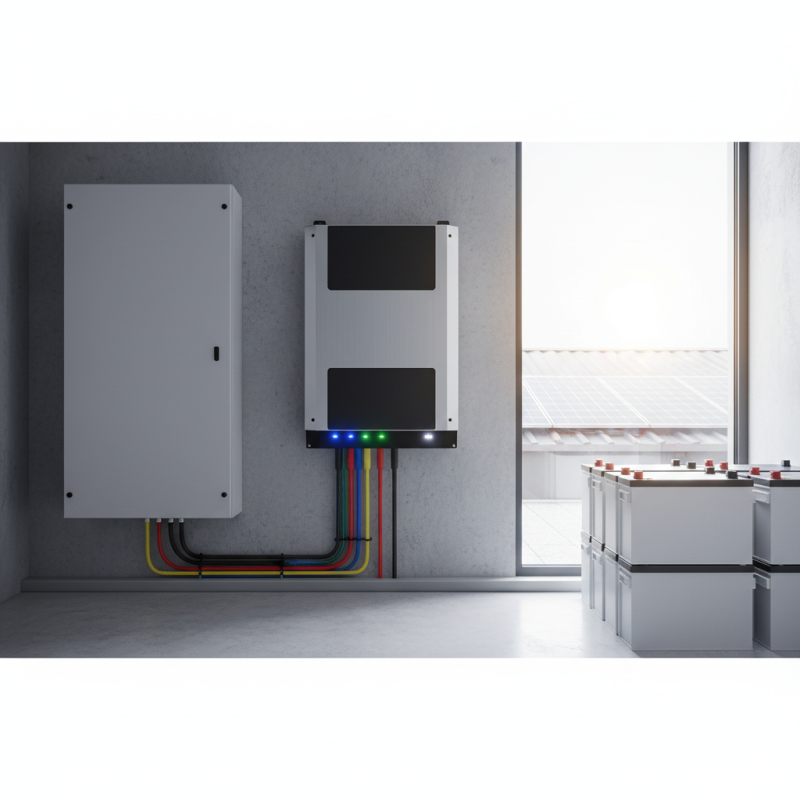
A 3 phase hybrid inverter is a versatile device that combines the functionalities of a grid-tied inverter and a battery inverter, making it essential for modern energy systems. By converting direct current (DC) into alternating current (AC), this type of inverter supports renewable energy sources such as solar panels while enabling energy storage options. Understanding the basics of how 3 phase hybrid inverters operate is crucial for anyone looking to enhance their energy efficiency.
One of the primary benefits of using a 3 phase hybrid inverter is its ability to balance energy supply and demand across three phases. This results in more stable energy distribution, reducing the risk of overload and enhancing overall system reliability. Additionally, these inverters facilitate seamless switching between energy sources, allowing users to draw from solar energy, battery storage, or the grid depending on availability, which maximizes energy utilization. Their integration fosters a more resilient energy management strategy that can adapt to variable energy production and consumption patterns.
Enhancing Energy Efficiency with Advanced Inverter Technology
The advancement of inverter technology plays a crucial role in enhancing energy efficiency, particularly with the deployment of 3 phase hybrid inverters. These inverters are designed to optimize the conversion of solar energy into usable electricity, providing significant improvements in systems with varying load demands. According to a 2021 report by the International Energy Agency, hybrid systems can increase overall energy efficiency by up to 30% compared to traditional single-phase systems. This improvement is attributed to their ability to manage energy flow more effectively between renewable sources and energy storage systems.
Moreover, 3 phase hybrid inverters leverage advanced algorithms and smart technology to adjust to real-time energy demands, ensuring that excess energy is stored for later use while minimizing waste. Research indicates that such technology can reduce operational costs by up to 20%, making it a financially viable option for both residential and commercial applications. As energy efficiency becomes increasingly important in combating climate change, investing in this innovative inverter technology stands out as a practical approach to maximizing energy output while minimizing carbon footprints.
Cost Savings Through Improved Energy Management Systems
Utilizing a 3 phase hybrid inverter significantly enhances energy management systems, leading to substantial cost savings for both residential and commercial users. These advanced inverters allow for the seamless integration of renewable energy sources, such as solar panels, with the existing power grid. By optimizing energy consumption and facilitating energy storage, users can reduce their reliance on grid power during peak hours when electricity prices are highest. This capability not only translates into lower energy bills but also provides a buffer against fluctuating energy costs.
Moreover, 3 phase hybrid inverters come equipped with smart energy management features that allow users to monitor and control their energy usage in real-time. This level of control enables proactive adjustments to energy consumption patterns, leading to increased efficiency. Users can prioritize energy use according to demand, ensuring that renewable sources are maximized while minimizing the use of non-renewable resources. As a result, these systems contribute to long-term sustainability goals while also offering immediate financial benefits through reduced operational costs. The implementation of such technology not only allows for a more streamlined energy flow but also encourages smarter, greener living.
Top 5 Benefits of Using a 3 Phase Hybrid Inverter for Energy Efficiency
This chart illustrates the top benefits of utilizing a 3 Phase Hybrid Inverter for enhancing energy efficiency. The data represents the estimated impact percentage of each benefit on overall energy management, highlighting how these technologies can lead to significant cost savings and environmental benefits.
Reducing Carbon Footprint and Environmental Impact
The use of a 3 phase hybrid inverter significantly aids in reducing our carbon footprint and environmental impact. These advanced systems efficiently manage power generation from renewable resources while optimizing energy consumption. By utilizing solar energy and other renewable sources, these inverters help decrease reliance on fossil fuels, resulting in lower greenhouse gas emissions. Integrating a hybrid inverter into your energy system can play a critical part in combating climate change and fostering a sustainable future.
Tips for maximizing your energy efficiency with a 3 phase hybrid inverter include regularly monitoring energy output and consumption patterns. Data can help you identify areas where energy waste occurs, allowing you to adjust usage accordingly. It’s also beneficial to ensure your renewable energy systems, such as solar panels, are well-maintained and free from obstructions, which can improve their efficiency and output.
Another important tip is to participate in net metering programs, if available. This allows you to sell excess energy back to the grid, further enhancing your energy efficiency and financial savings. Coupling these practices with the capabilities of a 3 phase hybrid inverter not only bolsters energy sustainability but also significantly contributes to a healthier planet.
Increasing Power Reliability and System Resilience
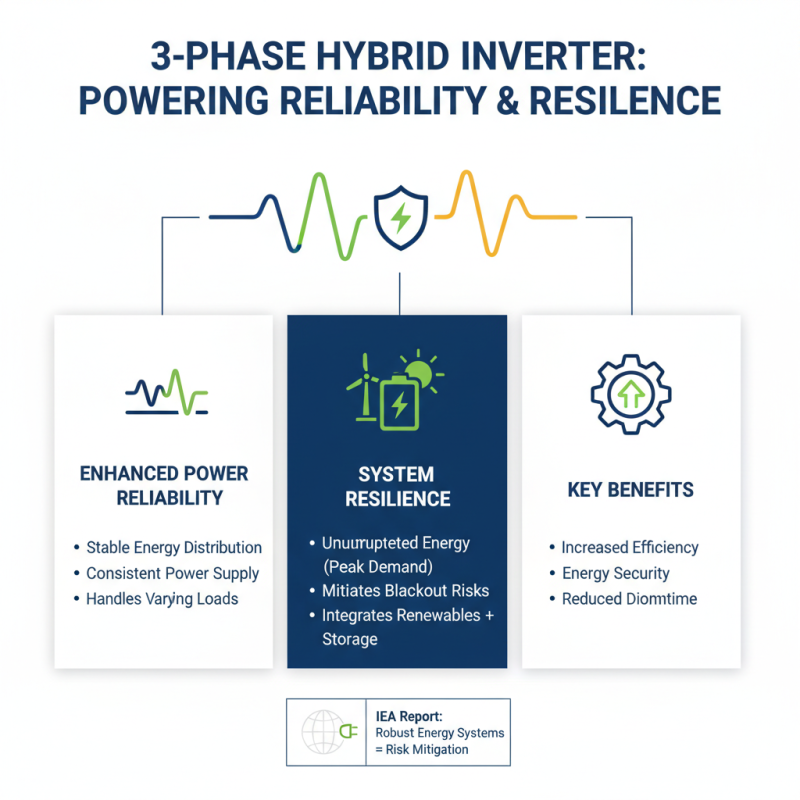
A 3 phase hybrid inverter significantly enhances power reliability and system resilience, crucial attributes in today's energy landscape. According to a report by the International Energy Agency (IEA), the integration of robust energy systems is fundamental in mitigating risks associated with power shortages and outages. With a 3 phase hybrid inverter, energy distribution becomes more stable and efficient, allowing for better handling of varying loads and ensuring that energy supply remains uninterrupted even during peak demand periods.
Moreover, industry studies indicate that systems utilizing 3 phase hybrid inverters can reduce energy losses by up to 30% compared to traditional single-phase systems. This efficiency not only supports a more reliable energy supply but also contributes to overall system resilience. In regions prone to natural disasters or extreme weather, having a dependable power system is vital, as it allows for quick recovery and continuity of service. The increasing use of renewable energy sources, paired with hybrid inverter technology, strengthens this resilience, ensuring that even during grid failures, backup energy sources maintain essential power distribution. As a result, the comprehensive benefits of 3 phase hybrid inverters align with global efforts to create more sustainable and robust energy frameworks.