Exploring the Benefits of a 12kW Hybrid Inverter for Efficient Energy Management
In the quest for sustainable energy solutions, the Deye Hybrid Inverter 12kW emerges as a pivotal innovation in energy management. As the demand for efficient and renewable energy sources continues to rise, hybrid inverters like the Deye model offer a unique blend of solar power integration and grid support. This technology not only maximizes energy consumption from renewable sources but also ensures that users can draw power from the grid when necessary, making it an ideal choice for both residential and commercial applications.
The benefits of adopting a Deye Hybrid Inverter 12kW extend beyond just energy efficiency. By effectively managing energy flow, users can significantly reduce their reliance on fossil fuels and lower their electricity bills. Furthermore, the ability to store excess energy generated during peak sunlight hours for later use enhances energy independence and resilience. As we delve deeper into the advantages of this sophisticated technology, it becomes evident that investing in a hybrid inverter is a step toward a more sustainable and economically viable future. Through this exploration, we aim to highlight the significant role that the Deye Hybrid Inverter 12kW plays in transforming energy management practices for the better.
Benefits of a 12kW Hybrid Inverter for Energy Management
A 12kW hybrid inverter offers numerous benefits for efficient energy management, particularly in integrating renewable energy sources like solar power with traditional energy systems. One of the primary advantages of this technology is its ability to optimize energy consumption by seamlessly managing the flow of energy between the grid, energy storage systems, and energy generation sources. This capability ensures that users can minimize their reliance on grid power during peak hours, significantly reducing electricity costs while maximizing the use of self-generated energy.
Additionally, the advanced features of a 12kW hybrid inverter facilitate real-time monitoring and control over energy usage. Users can track their energy production and consumption patterns, allowing for informed decisions regarding energy savings and management. This level of control not only enhances overall energy efficiency but also contributes to a sustainable energy future by promoting the use of clean energy solutions. Ultimately, investing in a hybrid inverter can lead to reduced carbon footprints and support the transition towards more sustainable energy practices.
Exploring the Benefits of a 12kW Hybrid Inverter for Efficient Energy Management
Understanding the Functionality of a Hybrid Inverter
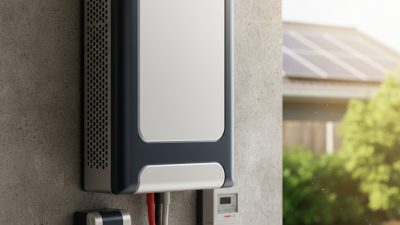
A hybrid inverter is a versatile device that combines the functionalities of both a solar inverter and a battery inverter. This innovative technology allows for efficient energy management by optimizing the usage of solar power and battery storage. Hybrid inverters can intelligently switch between grid power, solar energy, and stored energy, providing a seamless transition depending on availability and demand. By harnessing renewable energy sources, homeowners and businesses can reduce their reliance on conventional power from the grid, ultimately lowering their energy bills and carbon footprint.
**Tip:** When looking for a hybrid inverter, consider its capacity and efficiency ratings. A 12kW inverter, for example, can accommodate larger energy demands, making it suitable for residential properties with high energy consumption or small commercial setups. Choosing an inverter with a high efficiency rating can ensure maximum energy conversion and minimal losses.
Furthermore, hybrid inverters often come equipped with advanced monitoring systems that track energy production and consumption in real-time. This feature empowers users to make informed decisions regarding their energy usage, optimize their energy costs, and even contribute to grid stability. By understanding how much energy is being generated and consumed, users can implement strategies to maximize self-consumption and minimize energy waste.
**Tip:** Invest in a hybrid inverter with user-friendly interfaces and mobile applications. Such features allow for easy monitoring and management of energy usage from anywhere, providing valuable insights that can lead to more energy-efficient practices at home or in business operations.
Exploring the Benefits of a 12kW Hybrid Inverter for Efficient Energy Management
| Feature |
Description |
Benefits |
| Power Capacity |
12kW capacity allows for integration of multiple energy sources. |
Enables larger loads and enhances system capabilities. |
| Dual Operation Mode |
Can operate in both grid-tied and off-grid modes. |
Provides flexibility and reliability during power outages. |
| Integrated Energy Storage |
Compatible with battery storage systems. |
Optimizes energy use and ensures backup power availability. |
| Smart Monitoring |
Includes real-time energy monitoring and management. |
Improves efficiency and allows for proactive energy management. |
| High Efficiency |
Achieves efficiency rates above 90%. |
Reduces energy losses and increases savings. |
Comparison of Hybrid Inverters vs. Traditional Inverters
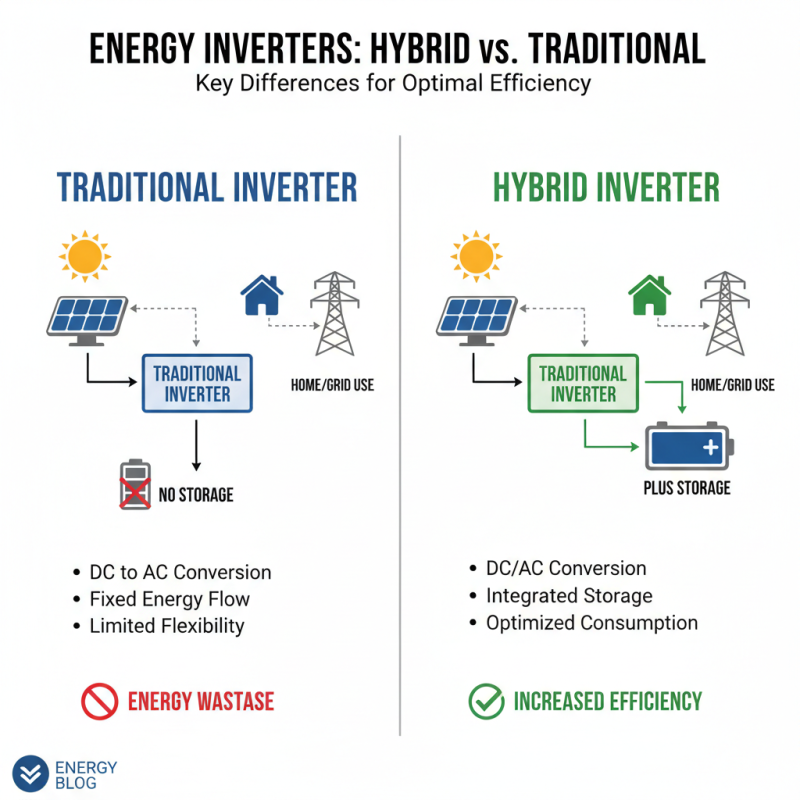
When considering energy management solutions, the choice between hybrid inverters and traditional inverters is pivotal for achieving optimal efficiency. Traditional inverters primarily convert direct current (DC) from solar panels into alternating current (AC) for home or grid use. While they have proven to be effective, they operate under a fixed energy conversion model, which can limit flexibility in energy consumption and storage. This is especially evident during times of low energy generation, leading to potential energy wastage or reliance on the grid.
In contrast, hybrid inverters represent a significant advancement in energy management technology. These systems seamlessly integrate traditional inverter functionalities with energy storage capabilities, allowing users to harness excess energy for later use. This dual functionality not only enhances the ability to manage energy flows more effectively but also provides greater autonomy by reducing dependence on the grid. By storing energy for peak usage times, hybrid inverters optimize resource use and can significantly reduce energy costs, making them a more sustainable choice for both residential and commercial applications. As the demand for efficient energy solutions grows, the advantages of hybrid inverters become increasingly clear, presenting a compelling case for transitioning from traditional systems.
Key Features of a 12kW Hybrid Inverter
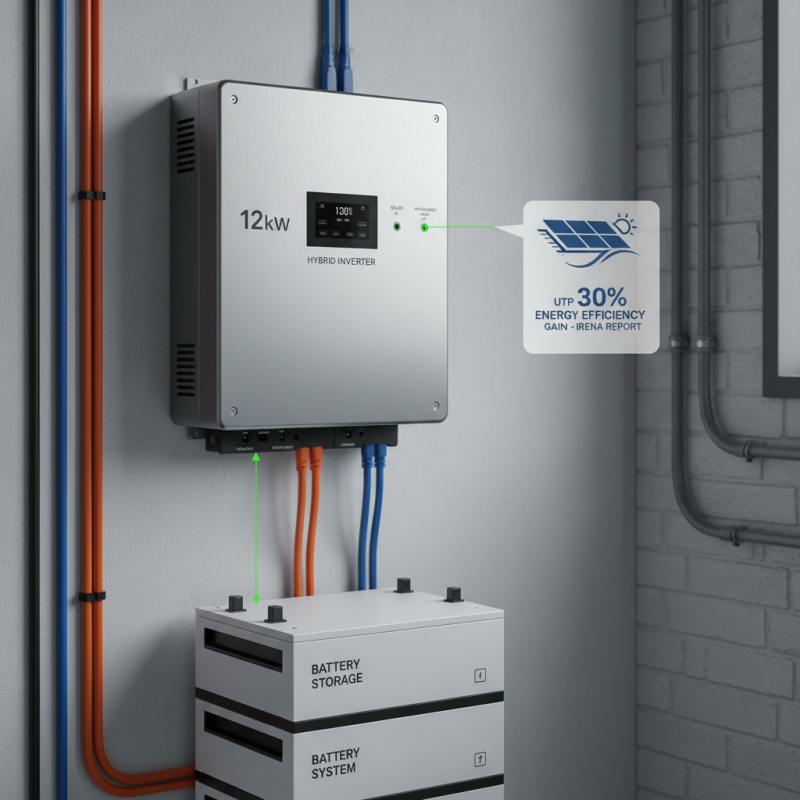
The 12kW hybrid inverter stands out as a critical component for effective energy management in both residential and commercial applications. One of its key features is its ability to integrate multiple energy sources, such as solar panels and battery storage systems, facilitating seamless energy flow and maximizing the use of renewable energy. According to a report by the International Renewable Energy Agency (IRENA), hybrid systems can improve energy efficiency by up to 30% compared to traditional setups, offering substantial savings in energy costs over time.
Another significant feature of the 12kW hybrid inverter is its advanced monitoring and control capabilities. Equipped with smart technology, these inverters allow users to monitor energy production and consumption in real time. This not only helps in optimizing energy usage but also contributes to informed decision-making regarding energy investments. As the Energy Storage Association notes, integrating energy management systems with hybrid inverters can lead to better energy load balancing, reducing peak demand charges and enhancing grid reliability. Furthermore, with the potential to support both on-grid and off-grid applications, these inverters ensure that energy supply is uninterrupted, providing resilience during power outages.
Applications and Use Cases in Renewable Energy Systems
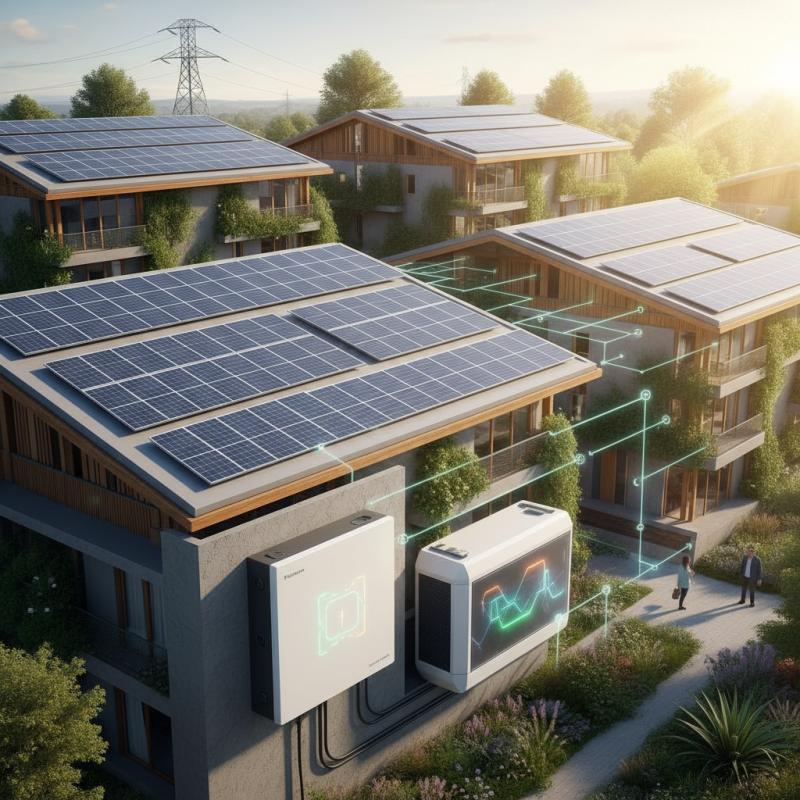
The 12kW hybrid inverter has emerged as a pivotal component in modern renewable energy systems, offering versatile applications that enhance energy management. One primary use case is in residential solar energy installations. By integrating solar panels with battery storage, these inverters optimize the utilization of solar energy while ensuring that excess power is redirected to charging batteries. This capability allows homeowners to harness energy during peak production hours and draw from their battery reserves during high-demand periods, effectively reducing reliance on the grid.
In commercial settings, a 12kW hybrid inverter can support microgrid systems that combine various renewable sources, such as solar and wind energy, alongside traditional backup generators. This setup not only improves energy reliability but also demonstrates a commitment to sustainability. Businesses can reduce operational costs while contributing to decreased carbon footprints.
Furthermore, in remote or off-grid locations, these inverters enable energy independence by managing power generation and consumption effectively, empowering communities to utilize local renewable resources. Thus, their role in both residential and commercial applications underscores the significance of hybrid inverters in advancing efficient energy management strategies.