Why You Should Consider Balcony Power Plant Storage for Your Renewable Energy Needs
In recent years, the transition to renewable energy has taken center stage in addressing environmental concerns, and among the innovative solutions emerging in this field, "Balcony Power Plant Storage" stands out as a practical option for urban dwellers. As more citizens look to harness the benefits of renewable energy, balcony power plants offer an accessible way to store energy generated from solar panels installed on residential balconies. According to Dr. Emily Hart, a leading expert in sustainable energy systems, “Balcony Power Plant Storage not only empowers individuals to generate their own clean energy but also plays a crucial role in stabilizing the energy grid in densely populated areas.”
This dual advantage makes balcony power plants particularly appealing in urban landscapes where space is often limited. With the right storage solutions in place, residents can significantly reduce their carbon footprint while enjoying lower energy costs. Consequently, this approach aligns with global efforts to increase energy independence and promote sustainability. As we delve deeper into the benefits of Balcony Power Plant Storage, it becomes evident that this innovative solution is a vital step toward a greener future, enabling individuals to take control of their energy sources right from their own homes.
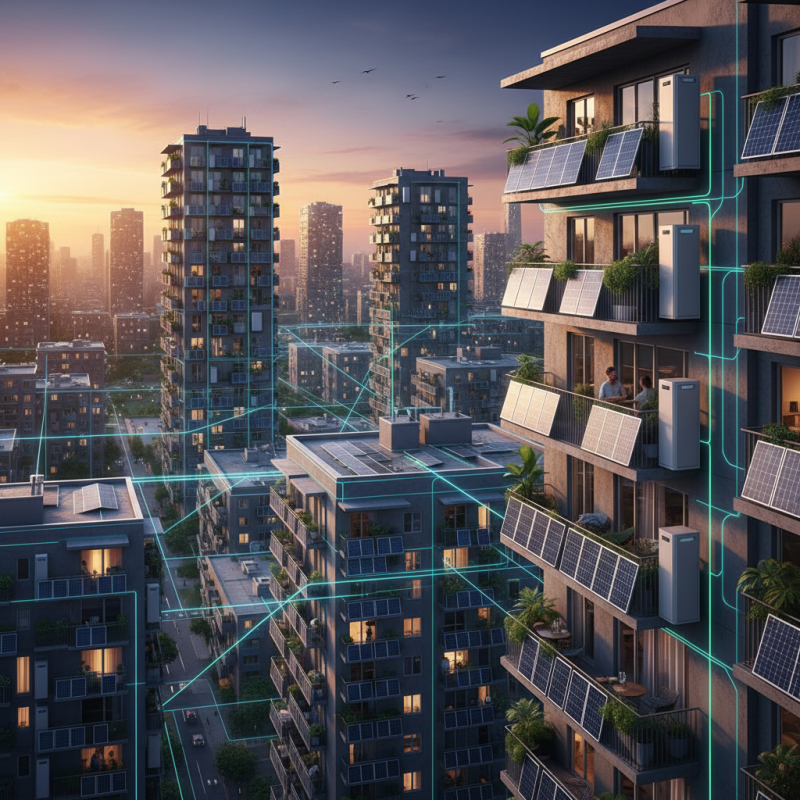
Benefits of Balcony Power Plants in Urban Renewable Energy Solutions
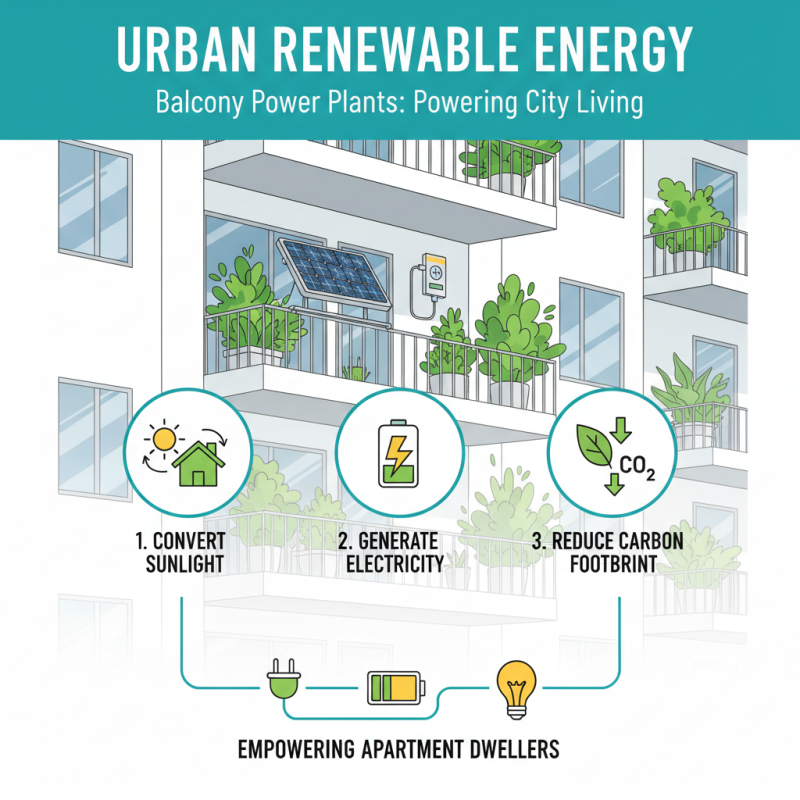
Balcony power plants are emerging as an innovative solution for urban areas seeking to harness renewable energy. These compact systems enable city dwellers to utilize available spaces, such as balconies, to generate electricity, thereby reducing dependence on grid power. By converting sunlight into usable energy, individuals living in apartments can take an active role in the transition towards sustainable living. This localized approach not only empowers homeowners but also contributes to the overall reduction of carbon footprints in densely populated regions.
Moreover, balcony power plants offer various benefits that cater specifically to urban environments. They are an ideal solution for maximizing limited space since traditional solar installations may not be feasible for everyone. By integrating energy generation into existing architecture, these systems help alleviate the constraints of urban living while promoting energy independence. Additionally, balcony power plants can foster community engagement as residents share knowledge and experiences, encouraging a collective commitment to renewable energy and environmental stewardship. This shift not only helps to meet individual energy needs but also promotes a culture of sustainability that can inspire broader changes in urban energy consumption patterns.
Analyzing the Cost-Effectiveness of Balcony Power Plant Storage Systems
The rise of renewable energy has prompted a significant shift towards energy storage solutions, with balcony power plant storage systems gaining popularity for urban dwellers. These compact systems allow residents to generate their own energy, potentially leading to substantial cost savings. According to a recent report by the International Renewable Energy Agency (IRENA), incorporating energy storage can lower electricity bills by up to 40% for households. This is particularly beneficial in regions with high energy prices, making balcony power plants a viable alternative for urban users looking to reduce their dependency on conventional grids.
Moreover, the cost-effectiveness of balcony power plant storage systems is bolstered by declining installation and maintenance costs. Research from the U.S. Department of Energy has shown that the price of lithium-ion batteries has decreased by 89% since 2010. As the technology evolves, the total lifecycle cost of these systems continues to improve, offering a compelling return on investment. By storing excess energy generated during the day for use during peak hours, users not only optimize their consumption but also contribute to grid stability, making balcony power plants an efficient solution for urban energy needs.
Comparative Efficiency: Balcony Power Plants vs. Traditional Energy Solutions
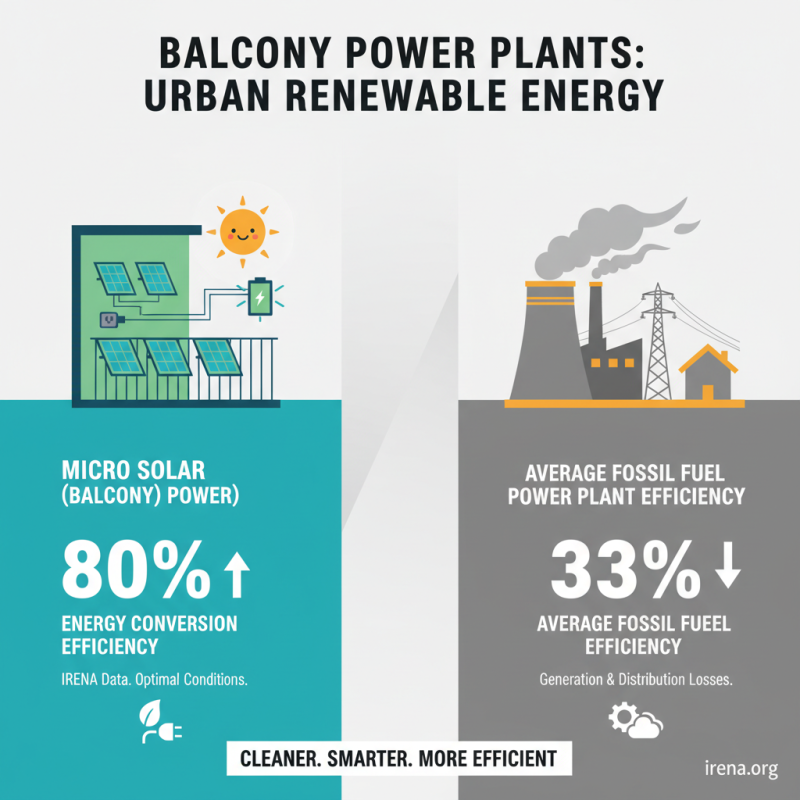
Balcony power plants, also known as micro solar power systems, have gained traction as an alternative renewable energy solution, particularly for urban residents with limited space. In comparison to traditional energy sources, balcony power plants offer a unique efficiency advantage. According to the International Renewable Energy Agency (IRENA), small-scale solar installations can achieve up to 80% efficiency in energy conversion when positioned correctly and maintained properly. This stands in stark contrast to the average efficiency of conventional fossil fuel power plants, which is typically around 33% when accounting for energy losses throughout the generation and distribution process.
Moreover, balcony power plants contribute to energy independence by allowing households to generate their own electricity. A study by the National Renewable Energy Laboratory (NREL) found that homes equipped with micro solar systems could reduce their electricity bills by up to 50% annually. This level of savings can be especially beneficial as energy prices continue to rise, making renewable energy solutions more attractive to consumers. The ability to harness solar energy in residential settings not only promotes sustainability but also diminishes reliance on centralized power grids, which are often subject to outages and price fluctuations. As urbanization continues to grow, embracing balcony power plants represents a forward-thinking approach to energy consumption and efficiency.
Regulatory Incentives for Implementing Balcony Power Plant Technologies
As the world shifts towards more sustainable energy solutions, homeowners are increasingly looking at
balcony power plants as a viable option for their energy needs.
These compact renewable energy systems can generate power right from your balcony, making them an ideal choice for urban dwellers.
One significant factor driving the adoption of these technologies is the variety of regulatory incentives available.
Many governments offer incentives for installing renewable energy solutions, including
tax credits,
rebates, and
grants aimed specifically at balcony power plants.
These financial benefits can significantly reduce the upfront costs associated with purchasing and installing solar panels or wind turbines.
It's important to research local regulations and available incentives, as they can vary greatly from one region to another.
Engaging with local energy authorities can provide you with information on what financial backing you qualify for.
Tips:
Before investing in a balcony power plant, check for zoning restrictions or building codes that might affect installation.
Additionally, explore community programs that support renewable energy initiatives, as they may offer additional resources or funding opportunities.
By leveraging these incentives, you can make the transition to renewable energy more affordable and practical.
Future Trends in Balcony Power Plant Storage and Renewable Energy Adoption
As the world continues to shift towards sustainable energy solutions, balcony power plant storage is becoming an increasingly popular avenue for homeowners. According to a recent report by the International Energy Agency, the global solar power capacity is projected to reach 4,800 GW by 2023, with residential installations playing a crucial role in this growth. The rise of balcony power plant storage systems, which allow users to harness solar energy in limited spaces, is a direct response to urbanization and the need for efficient energy use in densely populated areas.
Future trends indicate that balcony solar systems will become more integrated with smart home technology, enhancing their appeal and functionality. A study from McKinsey & Company forecasts that the adoption of smart energy management systems will increase by 45% over the next five years, enabling users to monitor and optimize their energy consumption in real-time. Furthermore, advancements in battery technology will lead to improved energy storage solutions, allowing homeowners to store excess energy generated during the day for use during peak demand times. This not only enhances energy independence but also contributes to a more stable grid, addressing concerns of energy security in a rapidly changing climate. As more individuals recognize the benefits of balcony power plants, the trend towards renewable energy adoption will only continue to accelerate.
Why You Should Consider Balcony Power Plant Storage for Your Renewable Energy Needs
| Dimension |
Value |
| Average Energy Storage Capacity (kWh) |
5 - 20 |
| Typical System Cost (USD) |
$1,200 - $3,000 |
| Expected Lifespan (Years) |
10 - 15 |
| Potential Energy Savings (%) |
30 - 50 |
| CO2 Emissions Reduction (kg/year) |
1,000 - 2,000 |
| Market Growth Rate (2023-2030) |
20% CAGR |