What You Should Know About AC DC Power Supply Options?
In the realm of electronics, selecting the right AC/DC Power Supply is crucial. Dr. Emily Chen, a leading expert in power electronics, once stated, "Choosing the right power supply can greatly impact device performance." This highlights the significance of understanding various options available.
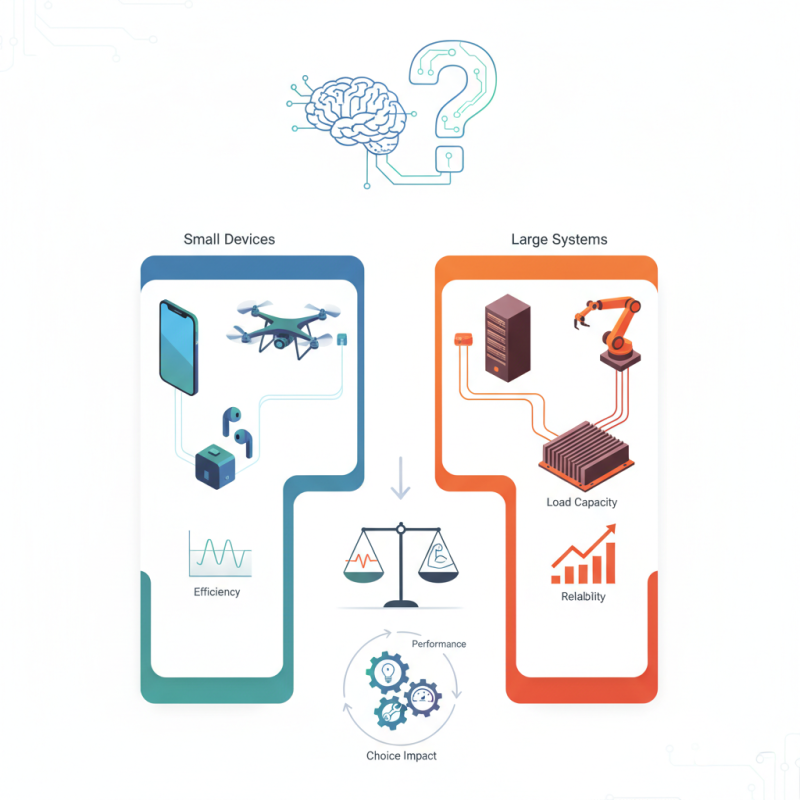
AC/DC Power Supplies come in many forms. They can vary in size, efficiency, and output levels. The environments they operate in may also influence the choice. For instance, a compact power supply may suit small gadgets, while larger systems might require more robust units.
There is often confusion about which power supply to choose. Not every option fits every situation. It's important to consider factors like voltage stability and load capacity. These choices can affect both performance and reliability in applications. Hence, understanding your specific needs is essential.
Understanding the Basics of AC and DC Power Supply Systems
When it comes to power supply systems, understanding AC and DC is crucial. AC stands for alternating current, which frequently changes direction. It powers homes and industries. Many devices rely on this type. Daily, you use AC for lights and appliances. It’s widespread and easy to distribute.
DC, or direct current, flows in one direction. It’s used in batteries and electronics. Devices like smartphones and laptops depend on DC. With the rise of renewable energy, DC systems are gaining popularity. The choice between AC and DC often depends on where and how you use power.
Tips: Consider the device type before choosing a power supply. For small gadgets, DC is typically more efficient. Always check if your system requires AC or DC. Some older systems might not function well with modern power supplies. Proper understanding can save time and resources.
Key Differences Between AC and DC Power Supplies
When choosing between AC and DC power supplies, understanding their key differences is vital for optimal application. AC power, or alternating current, changes direction periodically. It's commonly used in homes and industries. In contrast, DC power, or direct current, flows in one direction. This makes it ideal for batteries and many electronic devices. According to industry reports, about 60% of electronic devices use DC power today.
AC supplies can easily transform voltage using transformers. This allows efficient transmission over long distances. However, long-distance transmission can lead to energy losses due to resistance. DC, while easier for storage and usage in gadgets, has limitations in voltage transformation. Reports suggest that systems using both types are on the rise, often employing power converters to manage their differences.
Tips: When selecting a power supply, consider your device's needs carefully. For instance, heavy machinery often requires AC, while smaller electronics prefer DC. Ensure proper voltage levels to avoid damage. Additionally, always consult relevant guidelines before installation.
Common Applications of AC and DC Power Supplies
When discussing power supplies, applications play a critical role. AC and DC power supplies serve various needs across industries. For instance, AC power is commonly used in household appliances. It keeps our refrigerators, air conditioners, and washing machines running smoothly. Each device relies on a consistent AC source for functionality.
In contrast, DC power supplies find their niche in electronics. Many devices, such as laptops and smartphones, operate on DC. These devices require stable voltage to function effectively. However, this often comes with challenges. Not all power sources provide the needed stability. Users must consider compatibility carefully.
Power supplies also vary in complexity. Some applications demand simple solutions, while others require more intricate setups. For example, medical equipment relies heavily on reliable DC supplies. Any fluctuation could have serious consequences. Users must be diligent in their selection. It’s crucial to assess power requirements and source compatibility. Choosing the wrong supply can lead to costly mistakes.
Selecting the Right Power Supply for Your Needs
When selecting the right power supply, consider your specific needs. It's essential to identify whether you require AC or DC power. Both types have distinct advantages. AC power is typically used for large appliances. DC power is better for electronics and smaller devices. Understanding these differences can guide your choice.
You should also factor in voltage and current ratings. These specifications depend heavily on your application. Matching the power supply’s output with your device’s requirements is crucial. Using an incompatible power supply can lead to malfunctions. Many people overlook this detail, which can cause frustration later.
Don't forget about efficiency and reliability. Higher efficiency means less energy waste, saving you money. Reliability is vital, especially for critical applications. Researching different options is beneficial. Reflection on your specific situation will help you choose wisely. Every detail counts in the long run.
What You Should Know About AC DC Power Supply Options?
| Power Supply Type | Input Voltage (V) | Output Voltage (V) | Output Current (A) | Efficiency (%) | Typical Applications |
| AC to DC Converter | 100-240 | 5 | 2 | 85 | Charging Devices, Small Electronics |
| DC to DC Converter | 12 | 24 | 3 | 90 | LED Drivers, Automotive Applications |
| Switching Power Supply | 85-265 | 12 | 5 | 92 | Industrial Equipment, LED Lighting |
| Linear Power Supply | 110-240 | 5-30 | 1-10 | 80 | Audio Equipment, Precision Instruments |
Safety Considerations When Working with AC and DC Power Supplies
When working with AC and DC power supplies, safety is paramount. High voltage can lead to severe injuries or fatalities. According to the Electrical Safety Foundation International, approximately 400 people die each year from electrocution in the U.S. alone. Knowing the differences between AC and DC supply is vital. AC current often poses risks due to its ability to cause muscle contractions, making it difficult to let go of a live wire.
Tips: Always use insulated tools when working with electricity.
Ensure that the area around power supplies is dry and clear. Water and electricity do not mix. Grounding is essential. It prevents stray voltage that could cause shock hazards. The National Fire Protection Association reports that electrical failures caused 17,500 home structure fires in 2020, leading to many injuries.
Tips: Check your equipment regularly for signs of wear.
Use fuses or circuit breakers to protect against overloads. Not adhering to safety protocols is common. Many underestimate the hazards involved. Training and awareness can dramatically reduce risks. Adopting a safety-first mindset is crucial for anyone working with power supplies.
Power Supply Options: AC vs. DC
This chart compares the efficiency of AC and DC power supplies, highlighting that DC power supplies generally achieve a higher efficiency percentage than AC supplies.