48V Inverter Tips for Efficient Power Conversion Guide?
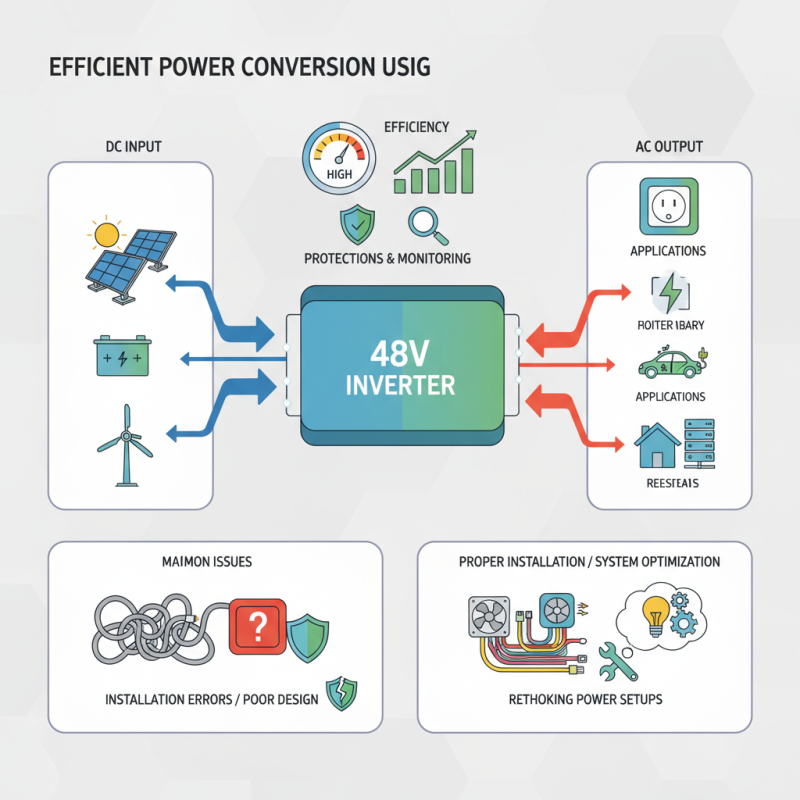
Understanding the intricacies of a 48V inverter is essential for efficient power conversion. This device transforms direct current (DC) to alternating current (AC), enabling many applications. Choosing the right inverter can significantly impact performance, efficiency, and overall system reliability.
When selecting a 48V inverter, consider its efficiency rating. Higher efficiency means less wasted energy. Look for inverters with advanced features, such as built-in protections and monitoring systems. These can enhance performance and prevent damage. However, not all models are perfect. Some may have inadequate user manuals or confusing interfaces. This can lead to installation errors or inefficiencies.
To maximize the benefits of a 48V inverter, proper installation is key. Ensure that cables are rated for the inverter’s output. Pay attention to ventilation; overheating can shorten the inverter’s lifespan. Remember, efficiency isn’t just about the inverter itself. It also relies on the entire system’s design. Rethinking your power setups may reveal areas for improvement.
Understanding the Basics of 48V Inverters for Power Conversion
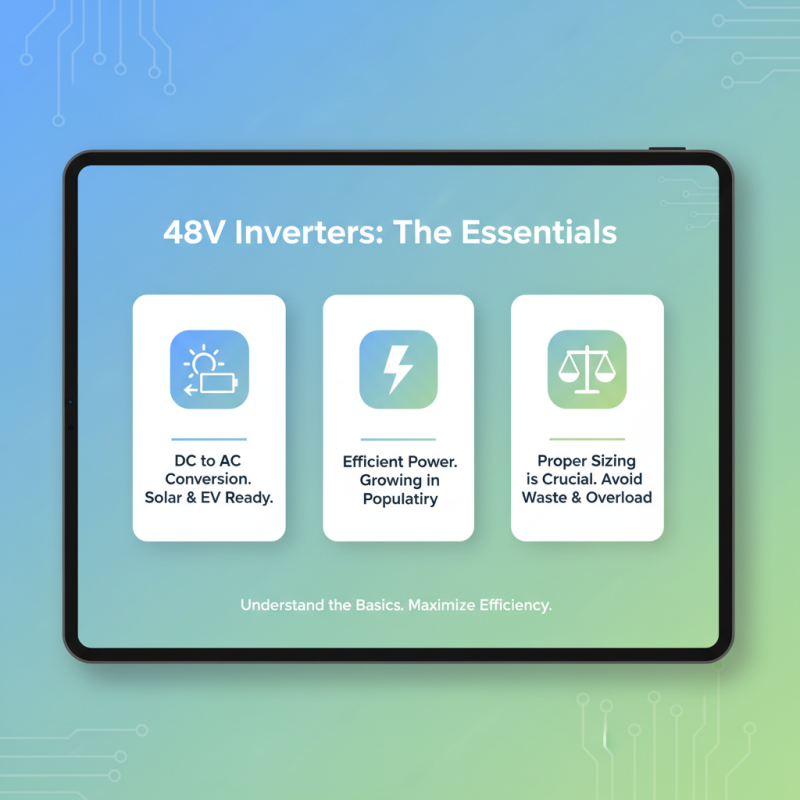
When diving into 48V inverters, understanding the basics is crucial. These devices convert DC power into AC power efficiently. Ideal for solar systems and electric vehicles, their popularity continues to grow. Many users overlook the importance of proper sizing. An inverter that is too small may not handle peak loads. On the other hand, oversized units can lead to wasted energy.
Efficiency also hinges on the placement of the inverter. Poor ventilation can lead to overheating. Without proper airflow, an inverter struggles to perform. Regular maintenance checks can mitigate these issues. Cleaning dust from vents may seem minor but is vital for longevity. Users often forget this step, leading to unnecessary repairs.
Lastly, be aware of load management. Balancing the loads connected to the inverter is essential. Overloading could trip the system and cause interruptions. Inverters are powerful tools, but their true potential requires informed use. Reflecting on your setup can unlock better performance and reliability.
Key Components of 48V Inverters and Their Functions
When discussing 48V inverters, understanding their key components is crucial for efficient power conversion. These inverters typically consist of several important parts, including capacitors, transformers, semiconductors, and control circuits. Capacitors play a vital role in storing electrical energy, helping to smooth out fluctuations. Meanwhile, transformers are essential for adjusting voltage levels, ensuring the output is safe and usable.
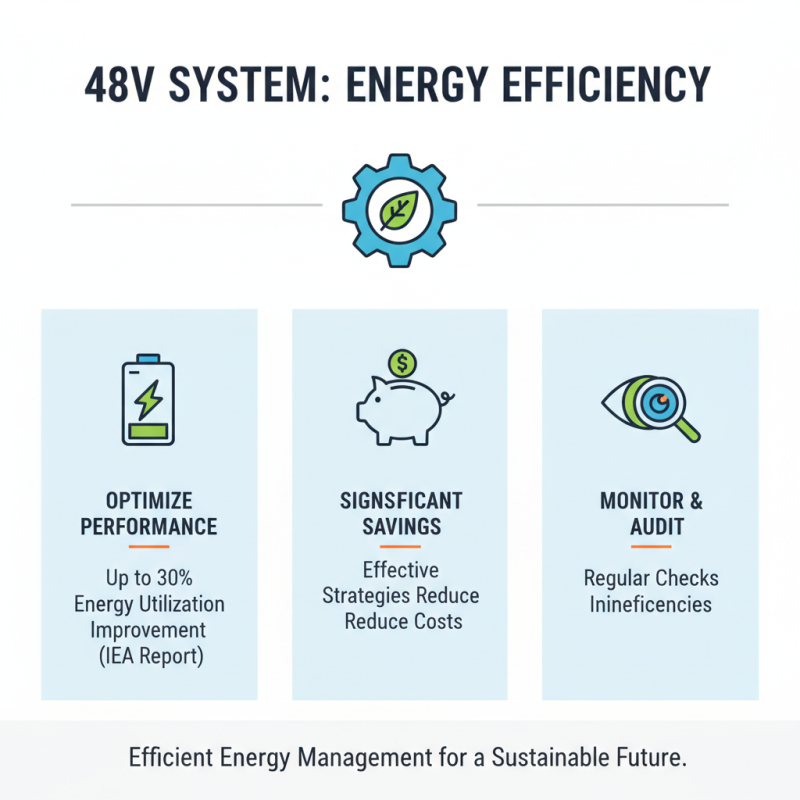
The efficiency of these inverters has a significant impact on power systems. Industry reports suggest that 48V inverters can achieve efficiencies exceeding 95% in ideal conditions. This high efficiency minimizes energy loss during conversion, making them suitable for renewable energy applications, such as solar energy systems.
Tip: Consider the quality of components used in the inverter. Higher quality parts usually lead to better performance. Regular maintenance can also help in identifying issues early, prolonging the lifespan of the inverter.
When selecting a 48V inverter, analyze the specifications carefully. The inverter's load capacity and thermal management systems are often overlooked but can affect overall efficiency. Monitoring these parameters can lead to more sustainable energy use.
48V Inverter Tips for Efficient Power Conversion Guide
| Component |
Function |
Efficiency |
Common Usage |
| Transformer |
Steps up/down voltage levels |
High |
Power Distribution |
| Rectifier |
Converts AC to DC |
Medium |
Battery Charging |
| Inverter Circuit |
Converts DC back to AC |
High |
Home Appliances |
| Control System |
Regulates inverter operation |
Varies |
Smart Grids |
| Filter |
Removes noise and distortion |
High |
Signal Processing |
Common Issues and Troubleshooting Tips for 48V Inverters
When using a 48V inverter, common issues can arise. Overheating is a frequent problem. It can lead to reduced efficiency. Ensure your inverter is well-ventilated. If it gets too hot, check for dust accumulation or obstructions. This simple step can make a significant difference.
Battery compatibility is crucial. Incompatible batteries can cause malfunctions. Confirm that your batteries meet the requirements of your inverter. A mismatch can lead to performance issues. Always double-check specifications before installation.
When troubleshooting, monitor input and output voltage. An inconsistent voltage can indicate a problem. Use a multimeter to measure and verify the levels. Remember, minor inconsistencies can lead to larger issues down the road. Regular maintenance can prevent bigger headaches later on. Keep an eye on connections and cable integrity as well.
Best Practices for Maintenance and Optimization of 48V Inverters
Maintaining a 48V inverter is crucial for optimizing its performance. Regularly check the inverter's connections. Loose wires can lead to inefficient power conversion. Clean the inverter’s air vents. Dust buildup can cause overheating. Overheating reduces lifespan and efficiency. Use a soft brush or vacuum to clear dust.
Monitor the temperature of the inverter. Ideally, it should operate within a specific range. If it gets too hot, consider relocating the unit. A cooler environment can greatly enhance its performance. Also, check the input and output voltages. Ensure they align with recommended levels. Fluctuations can signal deeper issues requiring attention.
Remember that even well-maintained inverters can experience problems. If you notice unusual sounds or smells, don’t ignore them. These signs might indicate internal damage. Regular inspections can prevent costly repairs. Reflect on your maintenance routine. Are you doing enough to keep your inverter running smoothly? Small adjustments can lead to significant improvements.