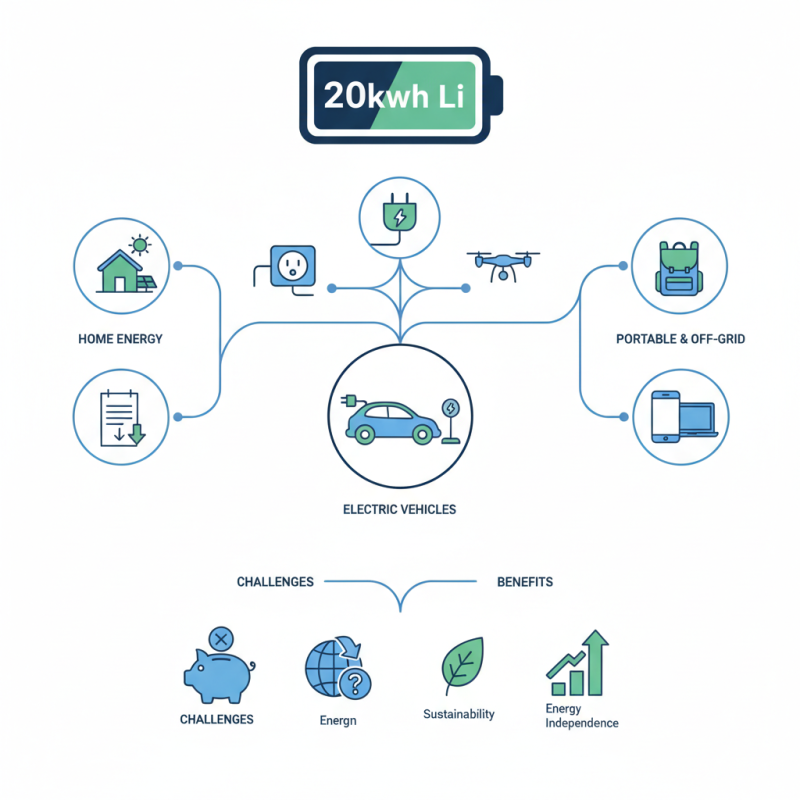
The advent of 20kwh Lithium Battery technology is transforming our daily lives. This powerful energy source is not just for electric vehicles anymore. Its applications are diverse and evolving, changing how we interact with technology.
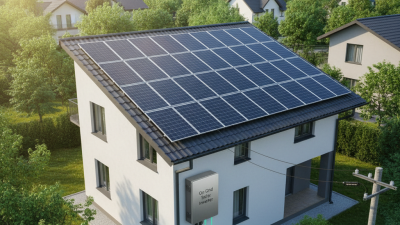
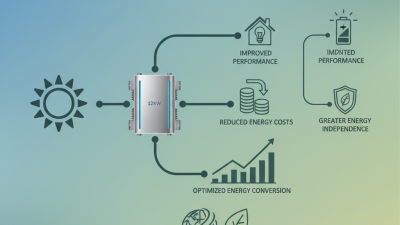
Many households are now integrating 20kwh Lithium Batteries into their energy systems. These batteries can store solar energy efficiently. This leads to lower electricity bills and increased energy independence. Imagine charging your devices or powering your home seamlessly, all thanks to this battery technology.
However, there are challenges to consider. Not all households have access to this advanced system. The cost can still be a barrier for some. Additionally, the recycling of lithium batteries poses environmental questions. As we embrace this technology, we must reflect on its broader implications.
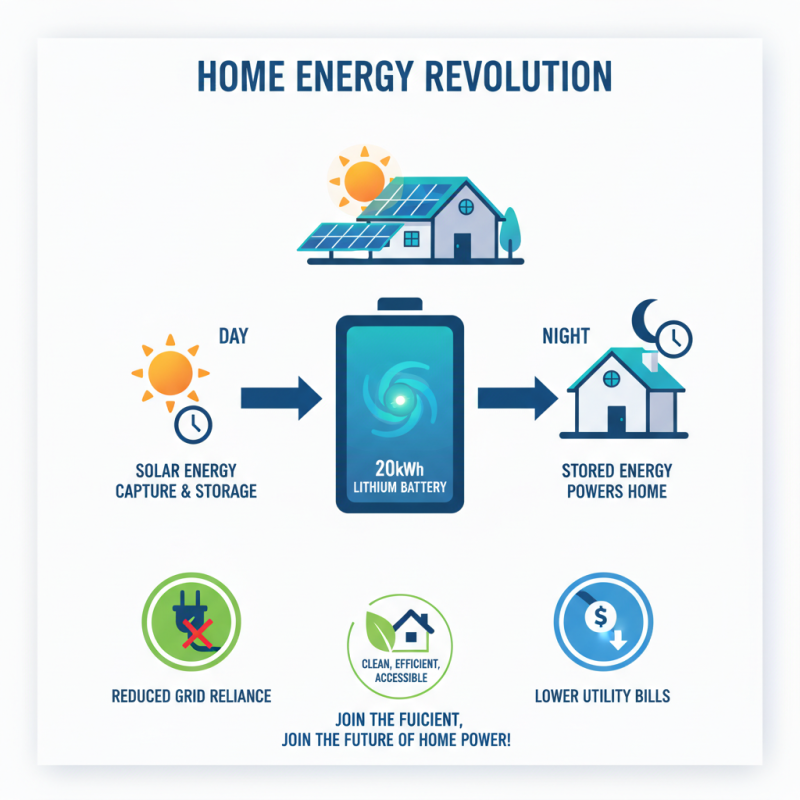
The innovative use of 20kWh lithium batteries is reshaping home energy solutions. Imagine your home powered by clean energy, stored efficiently and accessed easily. These batteries can store solar energy during the day. At night, you use this stored energy to power your home. This reduces reliance on the grid and high utility bills. Many families are starting to take this step.
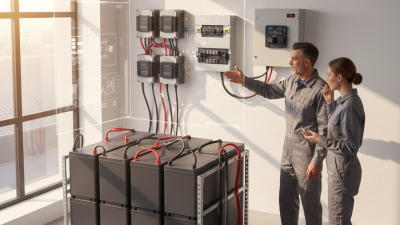
However, there are challenges. Setting up a home battery system requires thoughtful planning. Not everyone has the space or budget for installation. The performance may vary with the local climate. While battery technology is improving, it’s not perfect. Homeowners must consider these factors carefully. Finding balance in initial costs and long-term savings can be tricky.
Storage solutions could fail to meet peak demands, especially during extreme weather conditions. It's essential to be prepared for unexpected situations. Despite these concerns, the potential for innovative home energy solutions is vast. More families might explore how to maximize efficiency with their energy use. This is an exciting development worth watching.
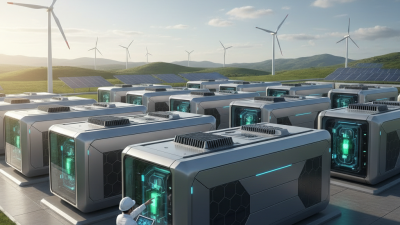
Smart grid integration transforms energy management. With 20 kWh lithium battery technology, homes can store energy efficiently. According to the Global Energy Storage Market Report, the potential for lithium battery systems to improve grid reliability is significant, with storage market growth projected to exceed $125 billion by 2025.
Lithium batteries enhance renewable energy use. They can store solar energy generated during the day for later use. This capability addresses mismatches between energy supply and demand. The U.S. Department of Energy states that effective storage can reduce energy waste by up to 30%. However, many systems still face challenges regarding efficiency and lifespan.
Despite the benefits, concerns linger. Battery disposal and recycling issues require attention. Additionally, the initial investment can deter users. There’s also a risk of over-reliance on technology. Users must remain vigilant and adaptable. Finding the right balance is essential for a sustainable future.
This chart illustrates the various applications of 20kWh lithium battery technology in 2026, highlighting their energy consumption across different sectors including home energy storage, electric vehicles, and renewable energy integration. The values represent estimated energy consumption in megawatt-hours (MWh) for each application.
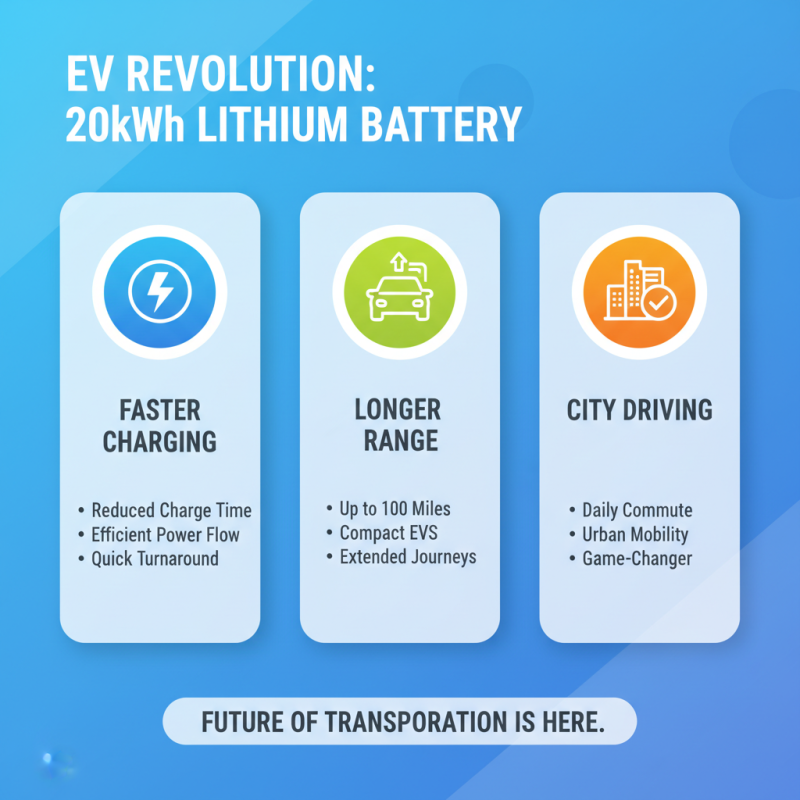
Electric vehicles (EVs) are revolutionizing transportation. With the advent of the 20kWh lithium battery, driving is changing rapidly. This battery capacity allows for shorter charging times and longer ranges. Reports suggest that 20kWh battery packs in compact EVs can offer up to 100 miles of range on a single charge. That's a game-changer for city dwellers, ensuring daily commutes are more efficient.
Battery efficiency isn't perfect. Range anxiety still affects consumer confidence. Some EVs struggle with performance in colder weather, reducing overall range. According to recent industry studies, nearly 40% of potential buyers express concerns about battery longevity. Maintaining battery health is crucial for long-term viability. Regular software updates help optimize vehicle performance, yet they don’t always resolve fundamental issues related to battery degradation.
Charging infrastructure is also lagging. Most cities need more public charging stations, making access tough for some EV owners. According to the International Energy Agency, globally, there were only 1.3 million public charging points by the end of 2022. To fully embrace the benefits of 20kWh lithium battery technology, both consumers and manufacturers must push for better infrastructure and battery management systems. Transformative as these advancements are, real-world challenges remain.
Lithium battery technology is transforming how we harness renewable energy. With a capacity of 20kWh, these batteries can store excess energy generated from solar and wind sources. The International Energy Agency (IEA) states that energy storage technologies could contribute over 30% of global energy needs by 2040. This shift is crucial as we face climate change challenges.
Solar panels produce energy during sunny days. But what happens at night? Lithium batteries can store this energy, making it available even when the sun is down. According to a recent report, integrating 20kWh batteries can increase energy efficiency by up to 60%. This allows homeowners to optimize their solar power systems.
Wind energy also benefits from lithium storage. Wind farms often generate excess energy during strong winds. By using these batteries, we can capture that energy. However, challenges remain. Battery life and efficiency can be impacted by factors such as temperature and usage cycles. Industry reports suggest that early adopters often encounter issues with battery degradation. Reflecting on these aspects is essential to maximize potential.
Lithium battery technology is revolutionizing our daily lives. The 20kWh lithium battery offers unmatched portability. With its compact size, it powers a variety of gadgets that make life easier. Imagine camping in the wild with a reliable power source. A portable battery can keep your devices charged, from phones to cameras. It makes outdoor adventures more enjoyable.
Think about smart home devices. Many use lithium batteries for convenience. These batteries enable smart locks, lights, and thermostats to operate without being plugged in. It’s impressive, but some gadgets drain power quickly. This can be frustrating when you rely on them. Everyone has experienced a dead battery at an inconvenient time. The solution lies in improving battery efficiency.
Consider personal electric vehicles, like e-bikes and scooters. A 20kWh battery can enhance their range significantly. Riding is fun and eco-friendly, but charging infrastructure is crucial. Sometimes, finding a charging station can be challenging. Users must plan their routes carefully. Balancing convenience with practicality is a constant challenge. Lithium batteries have incredible potential, but real-life application needs careful consideration.
| Application | Description | Benefits | Estimated Usage Time |
|---|---|---|---|
| Home Energy Storage | Store excess solar energy for later use. | Reduces electricity bills, enhances energy independence. | Up to 24 hours depending on usage. |
| Electric Vehicles | Power electric cars with efficient battery technology. | Low emissions, high range, and fast charging. | 300-400 miles per charge. |
| Portable Generators | Provide electricity for outdoor activities and emergencies. | Clean energy source, quiet operation. | 8-12 hours on a full charge. |
| Smartphones and Tablets | Power the latest mobile devices for everyday use. | Long-lasting battery life, quick charging capabilities. | Up to 2 days of usage on a single charge. |
| Robotics | Power robots used in various industries and homes. | Increased efficiency and autonomy in operation. | Varies greatly based on functionality. |
| Bicycles and E-bikes | Power electric bicycles for urban commuting. | Eco-friendly, promotes healthier lifestyle. | 30-50 miles per charge. |