2026 Top Trends in On Grid Solar Inverter Technology Are You Ready?
As the world shifts towards sustainable energy, the spotlight is on On Grid Solar Inverter technology. This innovation plays a crucial role in integrating solar power into the existing grid. By converting solar energy into usable electricity, these inverters provide a viable solution for reducing dependency on fossil fuels.
In 2026, various trends regarding On Grid Solar Inverters will emerge. These trends include improved efficiency, enhanced grid integration, and smarter technology. However, there's much to ponder as advancements are made. Are companies equipped to adapt to rapid changes? Are consumers ready to embrace these technologies?
The landscape of On Grid Solar Inverters is both promising and challenging. While new features arise, issues such as installation costs and technical knowledge remain. How these factors evolve will shape the future of solar energy. It's essential for stakeholders to reflect on these challenges as they navigate the transition to a greener future.
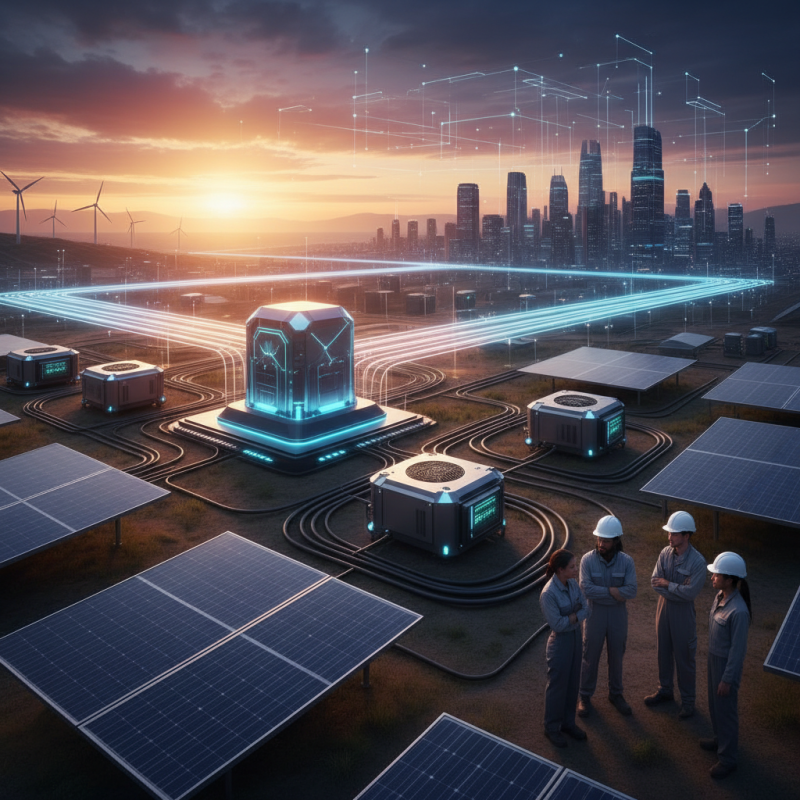
Exploring the Rise of Smart Inverters in On Grid Solar Technology
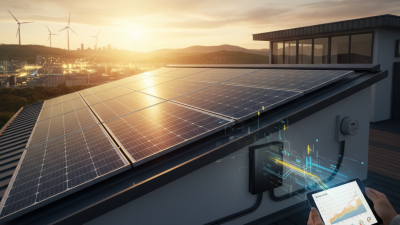
The rise of smart inverters is redefining on-grid solar technology. These advanced devices enhance the efficiency of solar energy systems. According to a recent report by the International Renewable Energy Agency (IRENA), smart inverters can increase energy yield by up to 20%. This improvement is crucial as solar adoption grows worldwide.
Smart inverters enable better communication with the grid. They can provide real-time data, allowing for more effective energy management. A report from GTM Research indicates that by 2025, over 60% of new inverters will be smart models. However, integration challenges remain. Many utilities need to upgrade their infrastructure to leverage these technologies fully.
Furthermore, the focus on energy resilience is pushing the adoption of smart inverters. They can support grid stability during fluctuations in supply and demand. Yet, some stakeholders still question their reliability in extreme weather. Addressing these concerns will be essential for their widespread acceptance. The industry faces a pivotal moment as smart inverter technology evolves and matures.
Market Insights: Global Adoption Rates of On Grid Solar Inverters by 2026
As we approach 2026, the global adoption rates of on-grid solar inverters are set to rise significantly. Many countries are increasingly investing in renewable energy sources. Solar power is at the forefront of this transition. The demand for clean energy solutions is driving innovation in inverter technology. More homes and businesses are turning to solar energy for its sustainability.
However, the transition is not without challenges. The technology landscape is complex. New inverter models promise improved efficiency and reliability, but adoption can lag. Some users hesitate to invest due to high upfront costs. Educational efforts are crucial to raise awareness about the benefits of on-grid solar systems. Governments must also step in to provide incentives for adoption.
Adoption rates vary widely across regions. Some areas boast advanced infrastructure, while others struggle with outdated systems. As countries develop their solar strategies, gaps become evident. Market research shows that local regulations can hinder progress. Creativity and adaptability will be essential to overcome these barriers. A thoughtful approach is necessary to harness the full potential of on-grid solar inverters.
Key Innovations in Efficiency: Dual-Stage Inverter Technology Advancements
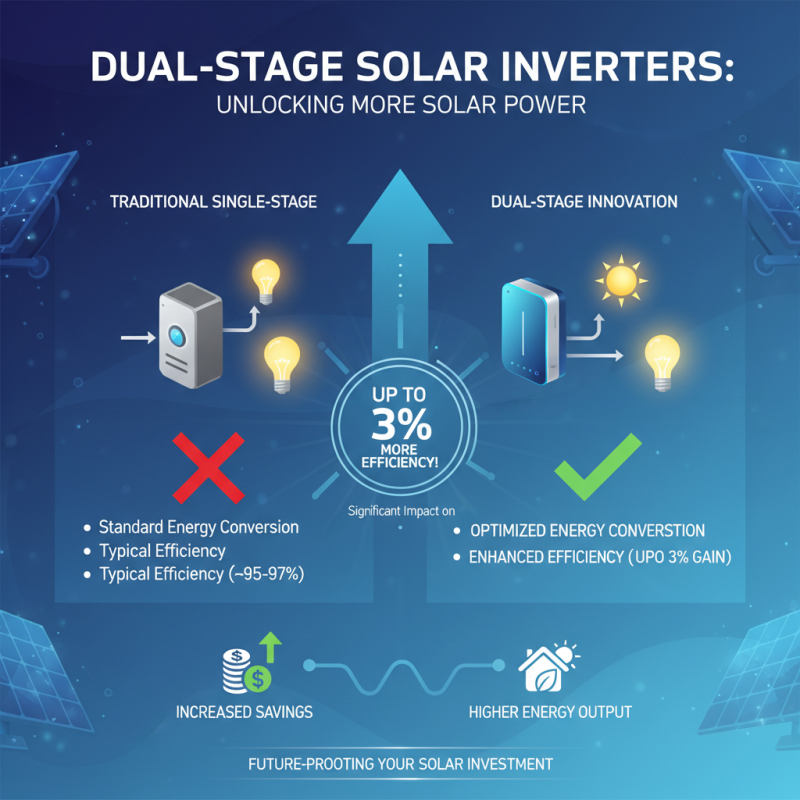
The solar industry is rapidly evolving, with dual-stage inverter technology leading the charge in efficiency innovations. This technology offers several advantages over traditional inverters, allowing for improved energy conversion. Reports indicate that dual-stage systems can enhance efficiency by up to 3% compared to single-stage models. This increase might seem small, but it significantly impacts overall energy output and solar savings.
As dual-stage inverters become more mainstream, installation and maintenance practices will need adaptation. Some users may struggle with the higher upfront costs, which can be a barrier. However, the returns from increased efficiency make a compelling case over time. Dual-stage models tend to operate better under varying environmental conditions, which is crucial for solar energy reliability.
Tips to consider: Assess your energy needs carefully. Dual-stage inverters may be more than you require, especially in smaller installations. It’s worth reflecting on your long-term goals. Additionally, choose a reputable installer who understands these modern technologies. This will ensure you reap the full benefits of your investment. Proper training for your technicians can also prevent common pitfalls that often arise with new technology.
Regulatory Impact: How Policy Changes Shape Solar Inverter Development
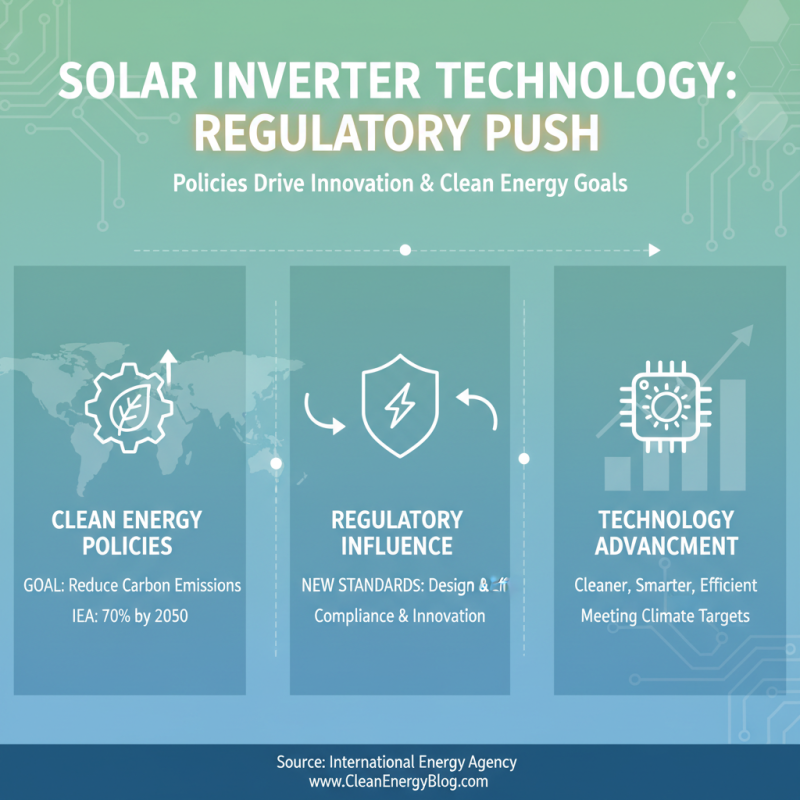
The regulatory landscape significantly influences the development of solar inverter technology. Recent policies have pushed for cleaner energy, prompting innovations in design and efficiency. According to the International Energy Agency, energy systems must reduce carbon emissions by 70% by 2050. This creates pressure on manufacturers to comply with new standards.
Policymakers are introducing incentives for solar deployment. These incentives often vary by region and can create confusion. A report from SolarPower Europe indicates that flexible frameworks can adapt to local needs. However, inconsistencies may hinder progress. Manufacturers need to stay agile to meet evolving regulations.
Tip: Stay updated on policy changes. Regularly review local laws affecting solar technology.
Developments around energy storage directly connect to inverter technology. As energy storage solutions gain traction, inverters must evolve to support them. Research shows that the global energy storage market will reach $340 billion by 2030. However, challenges remain. Many manufacturers struggle to integrate storage seamlessly into their systems.
Tip: Collaborate with experts in energy storage. Their insights can help streamline your approach.
The push for smart technology integration makes it crucial to understand regulations. Future inverters will need more advanced features. Balancing innovation with regulatory compliance requires constant evaluation. Mismatched technologies can lead to inefficiencies. This dynamic landscape demands a proactive mindset in solar inverter development.
Future-Proofing: Integrating Energy Storage Solutions with Solar Inverters
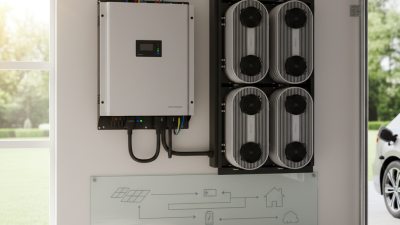
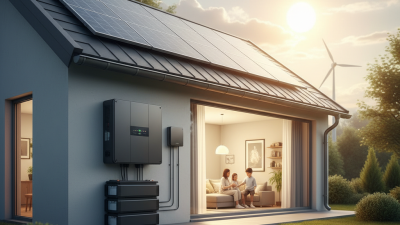
The integration of energy storage solutions with solar inverters is gaining momentum. This shift is crucial for maximizing efficiency and reliability. Energy storage can balance production and consumption, especially during peak demand hours. When the sun sets, stored energy can power homes seamlessly.
However, the transition is not without challenges. Not all solar inverters are designed to work with storage systems. Compatibility issues may arise, leaving users with limited options. Additionally, energy management can become complex, requiring careful planning. Will homeowners be ready to tackle this complexity?
Investing in smart technology can mitigate these risks. Advanced monitoring tools help track energy usage and optimize storage. Users can make informed decisions, enhancing the overall efficiency of their systems. Yet, this could lead to over-reliance on technology. It's essential to maintain a balance and not overlook basic energy conservation practices. This is a journey, not a destination, requiring ongoing adjustments and reflections on usage habits.