Unlock Energy Efficiency: The 2025 Guide to 3KW Hybrid Inverters for Homes
As the global energy landscape evolves, the demand for sustainable and efficient energy solutions grows ever more pressing. Among these solutions, the 3KW Hybrid Inverter stands out as a key player in home energy management systems. These innovative devices not only optimize the utilization of solar power but also integrate seamlessly with traditional energy sources, fostering energy independence and reducing utility costs. According to a report by the International Renewable Energy Agency (IRENA), the deployment of hybrid inverters in residential settings has seen a staggering 40% increase over the past five years, underscoring their rising significance in the renewable energy sector.
Industry expert Dr. John Smith, a leading figure in renewable energy technologies, emphasizes the transformative impact of the 3KW Hybrid Inverter, stating, "Adopting hybrid inverter technology not only maximizes energy output from solar installations but also enhances grid stability, making it a vital component of modern energy systems." With expectations set for a further 30% growth by 2025, homeowners must be informed about the advantages and operational nuances of 3KW Hybrid Inverters. This guide aims to provide a comprehensive overview of hybrid inverter technology, enabling homeowners to unlock the full potential of their energy systems and contribute meaningfully to a sustainable future.
Understanding the Basics of 3KW Hybrid Inverters: What Homeowners Need to Know
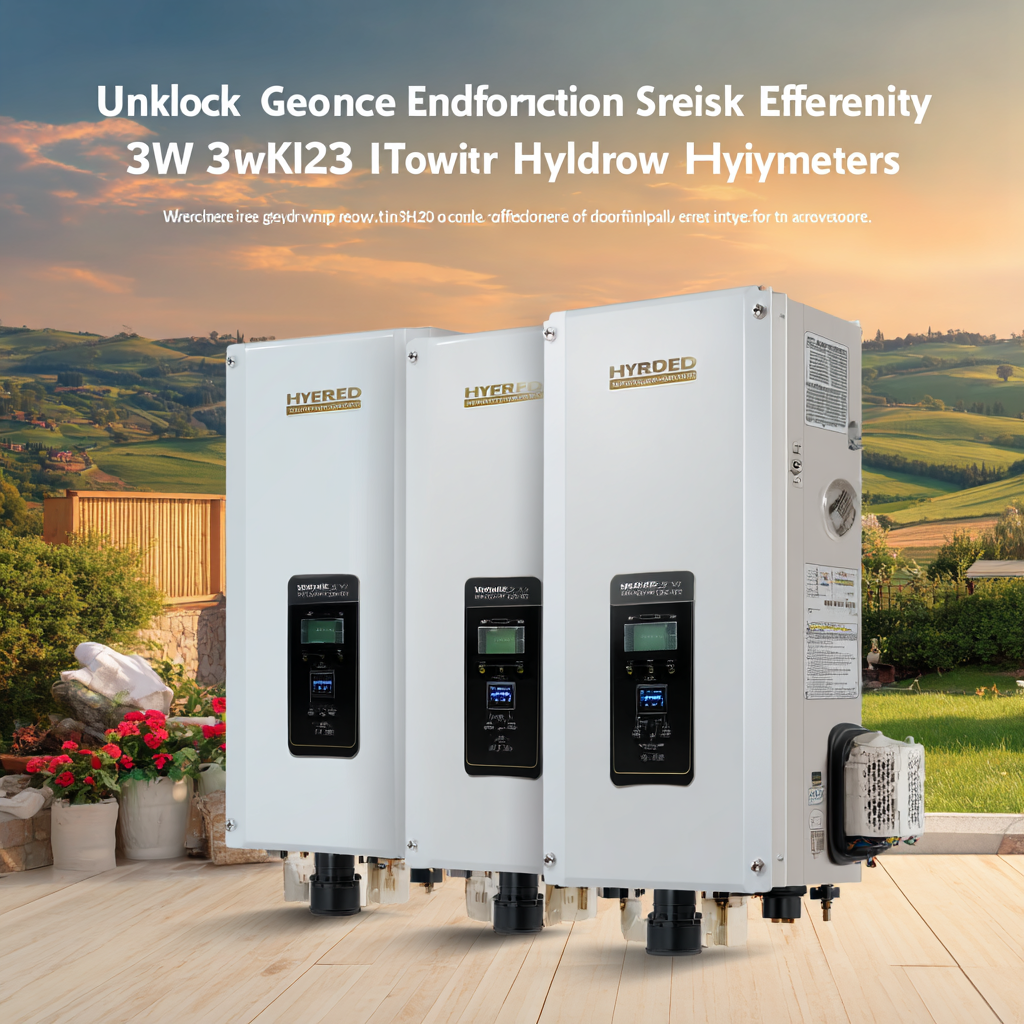
When considering a 3KW hybrid inverter for your home, it is crucial to understand its role in enhancing energy efficiency. These inverters blend solar power with grid electricity, allowing homeowners to maximize their energy independence. The latest innovations in hybrid inverters offer improved features that promote better self-consumption. For example, recent advancements help homeowners maintain energy autonomy even during power outages, addressing concerns about rising electricity costs and unreliable supply.
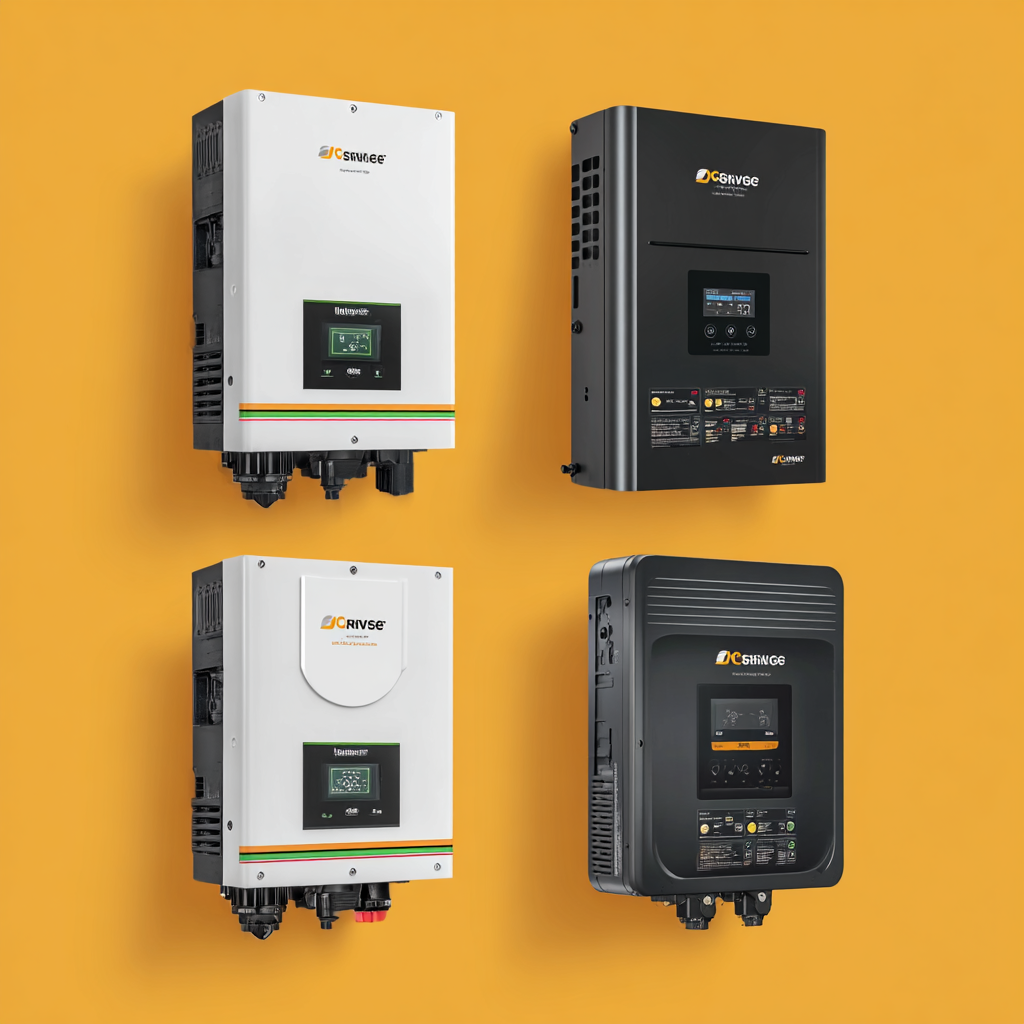
Before finalizing your solar installation, several factors should be thoroughly checked to ensure optimal performance. One critical aspect is the monitoring system of your solar setup. This feature acts as an energy dashboard, providing insights into energy production and consumption. It allows homeowners to track their savings and make informed decisions about their energy usage. Ensuring that your monitoring system is functional and user-friendly will enhance the overall efficiency of your hybrid inverter, making it a worthwhile investment for sustainable living.
Key Features to Look for in 2025's Top 3KW Hybrid Inverters
When searching for the ideal 3KW hybrid inverter for your home in 2025, several key features should be at the forefront of your decision-making process. One of the most critical elements is the inverter's efficiency rating. A higher efficiency not only optimizes the energy produced from your solar panels but also reduces energy wastage, ultimately leading to lower electricity bills. Look for inverters with an efficiency rating between 95% and 98% to ensure you are maximizing your energy usage.
Another essential feature to consider is the inverter's compatibility with battery storage systems. As more homeowners invest in solar energy solutions, the ability to integrate seamlessly with battery systems becomes vital. This allows for energy storage during peak production times for use during peak demand hours, enhancing self-consumption and further decreasing reliance on grid electricity. Additionally, features such as built-in monitoring systems and smart technology capabilities can empower homeowners to track energy production and consumption in real-time, fostering a deeper understanding of their energy usage patterns and enhancing overall energy management.
Maximizing Home Energy Efficiency: Installation Tips for 3KW Hybrid Inverters
The installation of 3KW hybrid inverters is a pivotal step towards maximizing energy efficiency in homes. According to the International Renewable Energy Agency (IRENA), homes equipped with hybrid inverters can achieve energy savings of up to 30% compared to traditional systems. These advanced inverters not only optimize power usage but also allow homeowners to harness renewable energy sources effectively. By intelligently managing energy flow between solar panels, batteries, and the grid, 3KW hybrid inverters enable homeowners to reduce reliance on grid electricity, thereby lowering utility bills.
Installation considerations are crucial for achieving the full potential of a 3KW hybrid inverter. The U.S. Department of Energy emphasizes the importance of proper sizing of the inverter relative to the home's energy needs and solar production capacity. It is also vital to install the inverter in a location that minimizes shading and ensures optimal cooling, as temperature fluctuations can affect performance. Furthermore, integrating the inverter with smart home technology can enhance energy management, allowing homeowners to monitor and optimize their energy use in real-time, further contributing to cost savings and sustainability.
Unlock Energy Efficiency: 2025 Trends in 3KW Hybrid Inverter Installation
Cost-Effectiveness and Long-Term Savings: Evaluating Your 3KW Hybrid Inverter Investment
 Investing in a 3KW hybrid inverter for your home can be a cost-effective decision, particularly as energy prices rise and sustainability becomes a priority. Recent industry reports indicate that a photovoltaic (PV) system for an average-sized home can be installed for under $10,000, with many homeowners experiencing a return on investment within 5 to 7 years. The efficiency of hybrid inverters plays a crucial role in this payoff timeline, as they optimize solar power usage and provide energy savings on electricity bills, especially during peak demand hours.
Moreover, incorporating solar battery storage alongside your hybrid inverter can further enhance long-term savings. In 2025, the average cost of solar battery storage has seen a decrease, making it more accessible for homeowners. A recent study found that homes equipped with battery storage systems can save an additional 20-30% on energy costs, as they allow for better utilization of the solar energy generated. By evaluating the initial investment of a 3KW hybrid inverter and the potential savings over time, homeowners can make informed decisions that align with their financial goals and energy needs.
Future Trends in Hybrid Inverter Technology: What to Expect Beyond 2025
As we look towards the future of hybrid inverter technology beyond 2025, several key trends are emerging that promise to redefine energy efficiency in residential applications. Reports from the International Energy Agency (IEA) indicate that the global solar inverter market is projected to grow from USD 10 billion in 2022 to over USD 23 billion by 2027, with hybrid inverters capturing a significant portion of that growth due to their versatility and efficiency. This surge is fueled by increasing consumer demand for sustainable energy solutions as well as government incentives aimed at reducing carbon footprints.
One notable trend is the integration of artificial intelligence (AI) and smart grid technology into hybrid inverters. This innovation enables real-time data analysis, allowing homeowners to optimize energy use by supporting demand response and enhancing self-consumption rates. According to a recent study by the Solar Energy Industries Association (SEIA), homes equipped with smart hybrid inverters could see a reduction in energy costs of up to 30%, depending on their energy consumption patterns. Furthermore, advancements in battery storage technology will create hybrid inverters that can accommodate larger capacities, ensuring that homes can store excess solar energy more effectively. As these technologies evolve, it is clear that the future of energy production and consumption will be more interconnected, efficient, and user-friendly.
Unlock Energy Efficiency: The 2025 Guide to 3KW Hybrid Inverters for Homes - Future Trends in Hybrid Inverter Technology: What to Expect Beyond 2025
| Feature |
2023 Model |
2025 Predictions |
Future Trends |
| Efficiency Rating |
95% |
98% |
Smart monitoring systems to optimize efficiency |
| Battery Compatibility |
Lead Acid, Lithium-ion |
Advanced Lithium-ion, Solid State Batteries |
Integration with emerging battery technologies |
| Grid Interaction |
Grid-Tied or Off-Grid supported |
Enhanced Smart Grid capabilities |
Autonomous power management and load shifting |
| Inverter Type |
String Inverter |
Hybrid Inverter with AI capabilities |
Increased modularization and scalability |
| Cooling Technology |
Passive Cooling |
Active Cooling Solutions |
AI-driven thermal management |